Introduction to Hebrew
Hebrew Alphabet
Meet the Aleph-Bet
Welcome to the Hebrew alphabet, known as the Aleph-Bet, named after its first two letters, Aleph (א) and Bet (ב). It consists of 22 consonants. Vowels are handled differently, but for now, we'll focus only on the consonant letters.
The most important thing to remember is that Hebrew is written and read from right to left. It might feel strange at first, but you'll get used to it quickly.
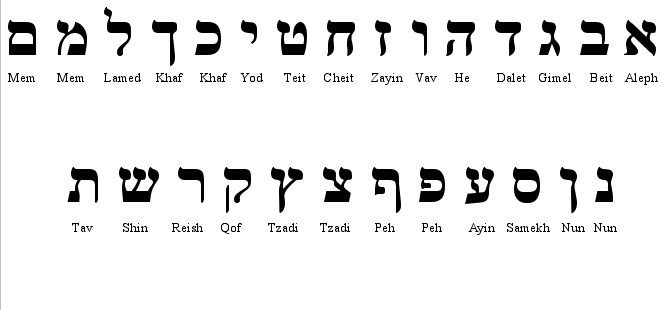
The Letters
Let's look at the first eleven letters. Each has a unique name, shape, and sound. Some letters, like Shin (ש), make a sound you already know, while others, like Ayin (ע), have sounds that might be new to you. Don't worry about perfecting every sound right away. The goal is to get familiar with the letters.
| Letter | Name | Sound |
|---|---|---|
| א | Aleph | Silent |
| ב | Bet | B / V |
| ג | Gimel | G (like 'go') |
| ד | Dalet | D |
| ה | Heh | H |
| ו | Vav | V / W |
| ז | Zayin | Z |
| ח | Chet | Ch (like 'Bach') |
| ט | Tet | T |
| י | Yod | Y (like 'yes') |
| כ | Kaf | K / Ch |
Notice that some letters, like Bet and Kaf, can have two different sounds. Context usually tells you which one to use, and we'll explore that later. For now, just be aware of the possibilities. Now, let's look at the second half of the Aleph-Bet.
| Letter | Name | Sound |
|---|---|---|
| ל | Lamed | L |
| מ | Mem | M |
| נ | Nun | N |
| ס | Samekh | S |
| ע | Ayin | Silent (guttural stop) |
| פ | Peh | P / F |
| צ | Tzadi | Tz (like 'pizza') |
| ק | Kof | K |
| ר | Resh | R |
| ש | Shin | Sh / S |
| ת | Tav | T |
Letters with Final Forms
Five Hebrew letters change their shape when they appear at the very end of a word. These are called "sofit" letters, which means "final" or "ending." The sound of the letter doesn't change, only its appearance. It's like how the English letter 's' is written differently in cursive at the end of a word.
| Letter | Name | Standard Form | Final Form (Sofit) |
|---|---|---|---|
| Kaf | ך | כ | ך |
| Mem | ם | מ | ם |
| Nun | ן | נ | ן |
| Peh | ף | פ | ף |
| Tzadi | ץ | צ | ץ |
For example, the word for water is מַיִם (mayim). It starts with a standard Mem (מ) and ends with a final Mem (ם).
Script Styles
The letters you've seen so far are in the standard printed form, often called "block print" or "square script." This is what you'll find in books, newspapers, and official documents. It’s the most common style for reading.
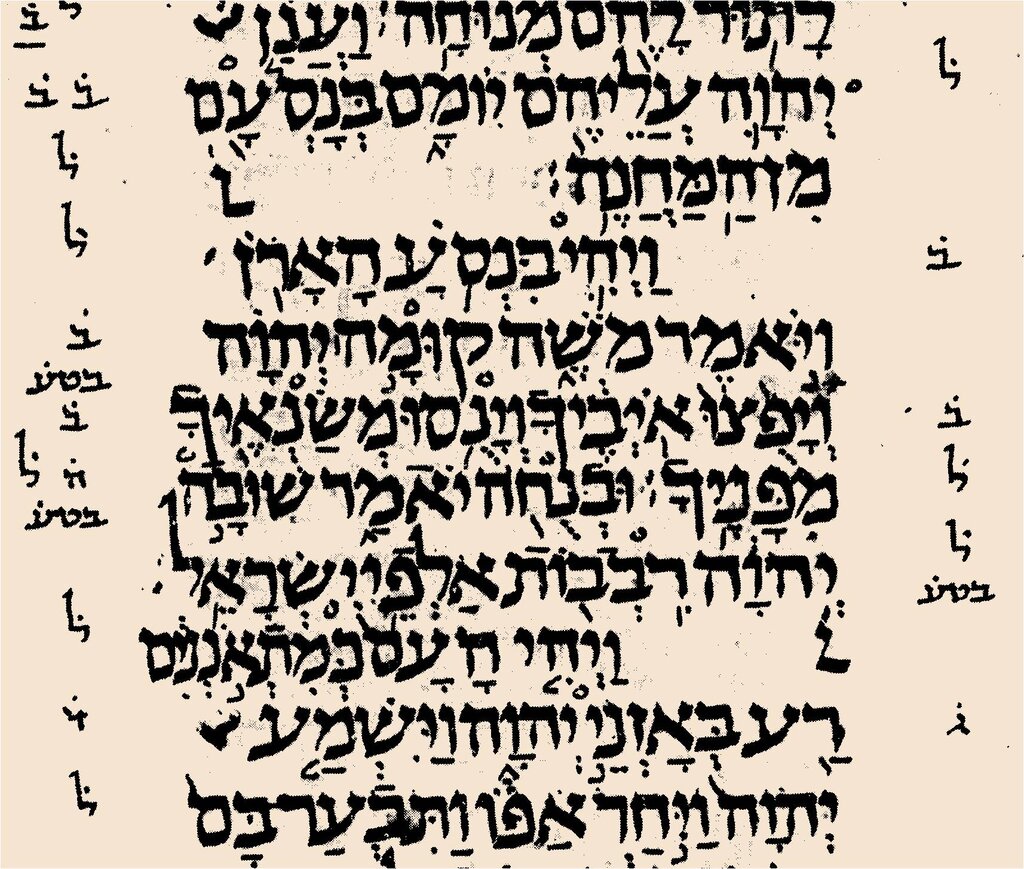
When writing by hand, people typically use a cursive script. The letters are more rounded and flow together, making it faster to write. Cursive looks quite different from block print, but it follows the same right-to-left direction and represents the same 22 letters.
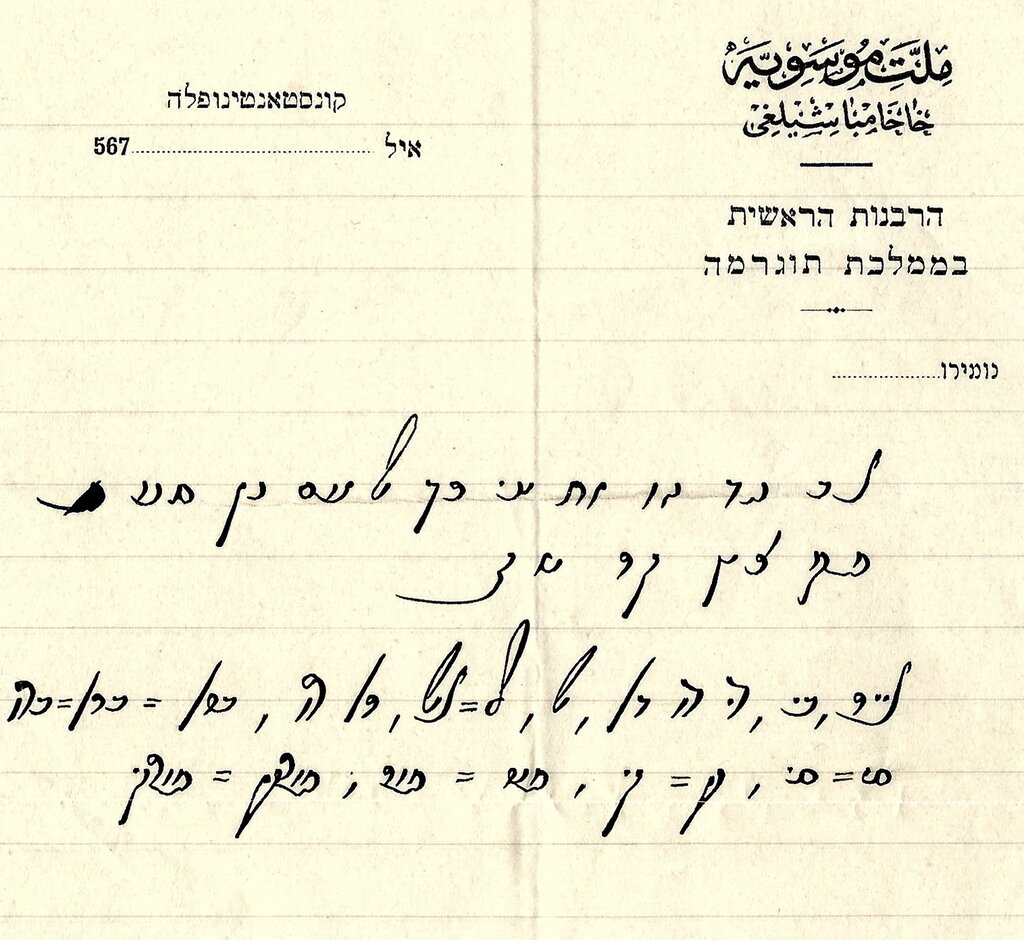
For now, focus on recognizing the block letters. You'll learn to read and write cursive as you become more comfortable with the basics.
Ready to test your knowledge? This quiz will help you check your understanding of the Hebrew letters and their forms.
How many letters are in the Hebrew alphabet?
What is a "sofit" letter?
Great job. Getting familiar with the Aleph-Bet is the first major step in learning Hebrew. Keep practicing, and you'll be reading in no time.