Introduction to Ham Radio
Introduction to Amateur Radio
What is Ham Radio?
Amateur radio, often called ham radio, is a popular hobby and service that brings people, electronics, and communication together. It allows enthusiasts to talk across the city, around the world, or even into space, all without using the internet or cell phones. It's a space for people who love to experiment with technology, provide public service, and connect with others who share their passion.
Unlike commercial radio, amateur radio is strictly non-commercial. You can't broadcast music or run a business over the airwaves. Instead, the focus is on personal communication, technical learning, and being prepared to help in emergencies. It's a community of licensed operators who use designated radio frequencies for recreation, self-training, and providing a vital communication link when other methods fail.
A Hobby of Many Hats
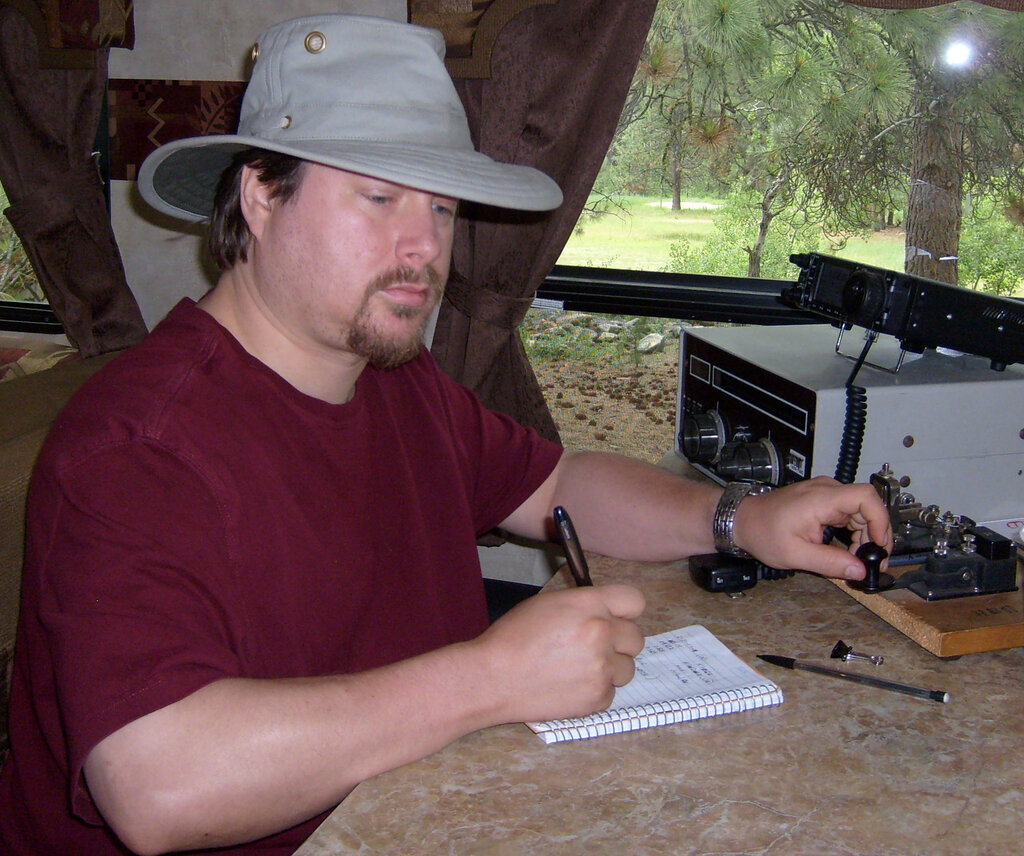
Ham radio is incredibly diverse. Some operators enjoy casual conversations, making friends in different countries and collecting confirmation postcards (called QSL cards). Others are drawn to the technical side, building their own antennas, transmitters, or even using software to invent new ways to communicate.
There's also a competitive side called "radiosport" or "contesting," where operators try to contact as many other stations as possible within a set time. And for those with a public service mindset, amateur radio plays a crucial role in emergency communications. When disasters strike and knock out power and phone lines, ham radio operators can set up networks to coordinate rescue efforts and pass along critical information.
Through organizations like the Amateur Radio Emergency Service (ARES), operators volunteer their skills and equipment to support disaster relief agencies.
These activities have led to significant contributions to science and engineering. Hams have pioneered technologies that are now common, from mobile communication techniques to satellite design. It's a hands-on way to learn about electronics, physics, and radio wave propagation.
Getting Your License
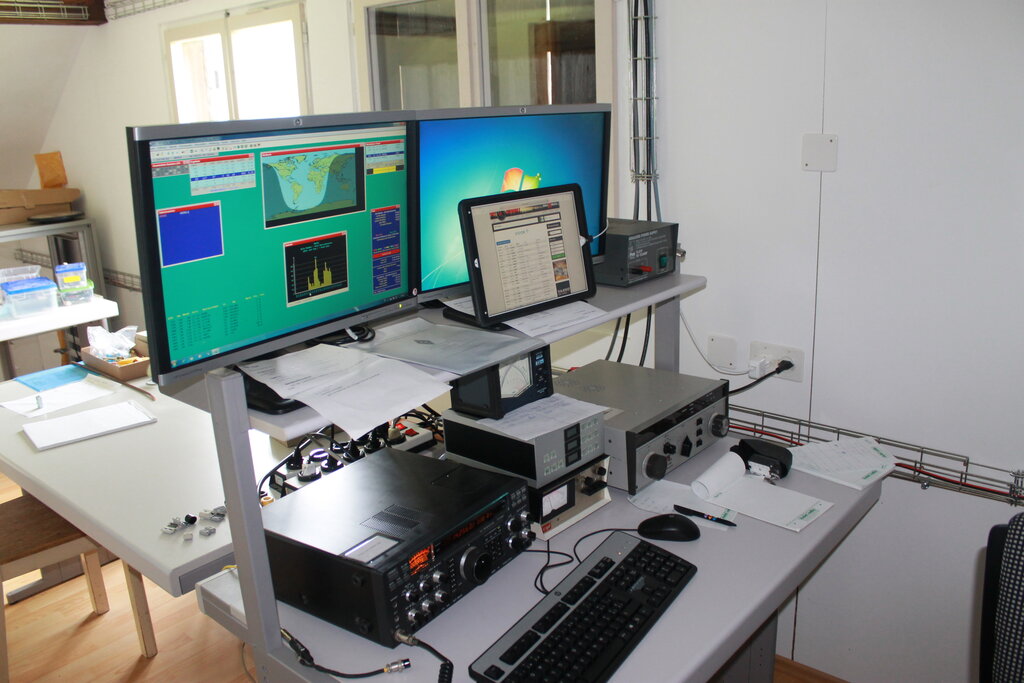
To transmit on amateur radio frequencies, you need a license. In the United States, licenses are granted by the Federal Communications Commission (FCC). The licensing system ensures that operators have a basic understanding of regulations, operating practices, and electronics, which helps keep the airwaves organized and safe for everyone.
There are three license classes in the US, each granting more privileges. You start with the Technician class and can then upgrade to General and finally Amateur Extra. Each step up requires passing another exam, but it also opens up more frequencies, allowing you to communicate over greater distances.
| License Class | Primary Privileges |
|---|---|
| Technician | All VHF/UHF amateur bands; limited HF (long-distance) bands. Great for local communication. |
| General | All Technician privileges, plus significant access to most HF bands. Ideal for worldwide communication. |
| Amateur Extra | All amateur band privileges. The top-tier license for dedicated operators. |
What's in a Call Sign?
When you get your license, you're assigned a unique call sign. This is your official identification on the air. Think of it like a license plate for your radio station. You're required to use it to identify yourself at regular intervals during any communication.
Call signs have a specific structure defined by the International Telecommunication Union (ITU), which helps identify the operator's country. A typical US call sign, for example, might be W1AW. It consists of a prefix, a number, and a suffix.
The prefix (like 'W', 'K', 'N', or 'A') indicates the country. The number (0-9) represents a geographic region within that country. The suffix is a unique 1, 2, or 3-letter sequence assigned to the operator.
With a license and a call sign, you're ready to join a global community of radio enthusiasts.
Ready to check your understanding?
What is the primary purpose of amateur radio?
In the United States, which government agency issues amateur radio licenses?
This covers the basics of what amateur radio is, what you can do with it, and how it's structured. In the next step, we'll dive deeper into how radio waves actually work.