Introduction to gRPC
Introduction to gRPC
What is gRPC?
At its core, gRPC is a modern way for computer programs to talk to each other, even if they're running on different machines across the world. The name stands for Google Remote Procedure Call. It was developed by Google to make these conversations fast, efficient, and reliable.
gRPC is a high-performance, open-source RPC (Remote Procedure Call) framework that Google created to facilitate high-speed communication between microservices.
The “Remote Procedure Call” (RPC) part is key. Imagine you have a calculator app on your computer. When you press the '+' button, your computer performs the addition locally. An RPC is like having that calculator on a powerful server somewhere else. Your computer (the client) sends a request to the server asking it to perform the addition, and the server (the service) sends back the result. From your app's perspective, it feels like it's just calling a local function, but the actual work is happening remotely.
With gRPC, a client application can directly call a method on a server application on a different machine as if it were a local function. This makes it much easier to create distributed applications and services.
How It Works
To make this remote communication work seamlessly, gRPC relies on a few core components. The two most important are Protocol Buffers and HTTP/2.
First, you define your service in a special file using Protocol Buffers (often shortened to Protobuf). This is a language-neutral, platform-neutral way to describe the structure of your data and the methods your service will offer. Think of it as a strict contract. It specifies exactly what a request message should look like and what kind of response to expect.
// greet.proto
syntax = "proto3";

package greet;

// The greeting service definition.
service Greeter {
  // Sends a greeting
  rpc SayHello (HelloRequest) returns (HelloReply) {}
}

// The request message containing the user's name.
message HelloRequest {
  string name = 1;
}

// The response message containing the greetings.
message HelloReply {
  string message = 1;
}
From this single .proto file, gRPC can automatically generate the client and server code in many different programming languages. This generated code, called stubs, handles all the boring, complex parts of communication for you. The developer can just use the generated functions as if they were local to their own program.
All of this communication happens over HTTP/2. This is a major upgrade to the web's standard communication protocol. It's much more efficient than its predecessor, allowing for multiple parallel requests over a single connection, which leads to lower latency and better performance.
gRPC uses the HTTP/2 protocol, providing features like multiplexing, flow control, and header compression, resulting in faster and more efficient communication.
Where gRPC Shines
So, when would you choose to use gRPC? It’s particularly well-suited for a few common scenarios in modern software development.
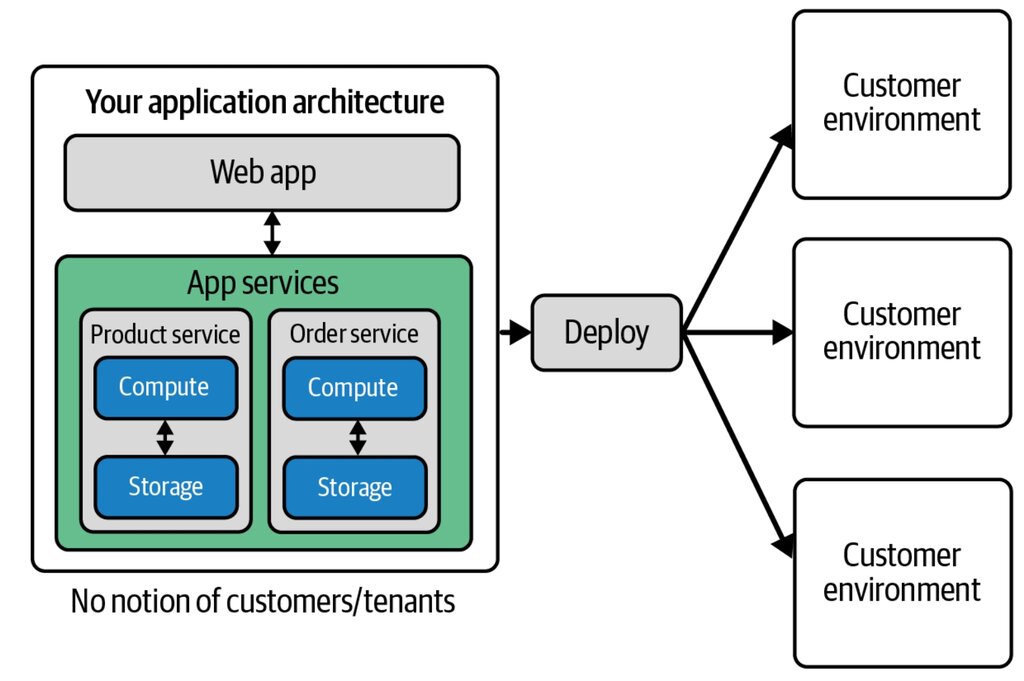
One of the biggest use cases is in microservices architecture. This is a style of building applications where the system is broken down into many small, independent services. These services need to communicate with each other constantly. Because gRPC is designed for low-latency, high-throughput communication, it's a perfect fit for connecting these internal services.
It's also great for connecting mobile apps or web clients to backend services. The efficiency of Protobuf and HTTP/2 means less data is sent over the network, which is crucial for users on mobile devices with limited data plans or slower connections.
Finally, any situation where performance is critical is a good candidate for gRPC. Because it serializes data into a compact binary format, it's significantly faster and less resource-intensive than text-based formats like JSON used in many REST APIs.
Ready to test your understanding?
What does the 'RPC' in gRPC stand for?
What is the primary role of a .proto file in a gRPC application?
That's a quick look at the what, how, and why of gRPC. It's a powerful tool for building fast, scalable, and robust distributed systems.