Introduction to Greetings
Understanding Greetings
The Start of Every Story
Every conversation, friendship, and collaboration begins with a single moment: a greeting. It's the simple act of acknowledging another person's presence. Whether it's a quick "hello" to a coworker or a warm smile to a stranger, a greeting is the first step in building a connection. It’s a signal that says, "I see you, and you matter."
Think of it as opening a door. Before you can have a meaningful exchange, you need to establish that initial link. This mutual recognition sets the stage for everything that follows, turning a collection of individuals into a social group, even if just for a moment.
The First Impression
People form opinions incredibly quickly. The first few seconds of an interaction are often all it takes to make a judgment. This is where a greeting plays a starring role. A confident, friendly greeting can instantly put others at ease and create a positive atmosphere. It communicates openness and respect right from the start.
Conversely, a hesitant or cold greeting can create a barrier, making further communication feel strained. The initial greeting doesn't just start a conversation; it defines the emotional tone of the entire interaction that follows.
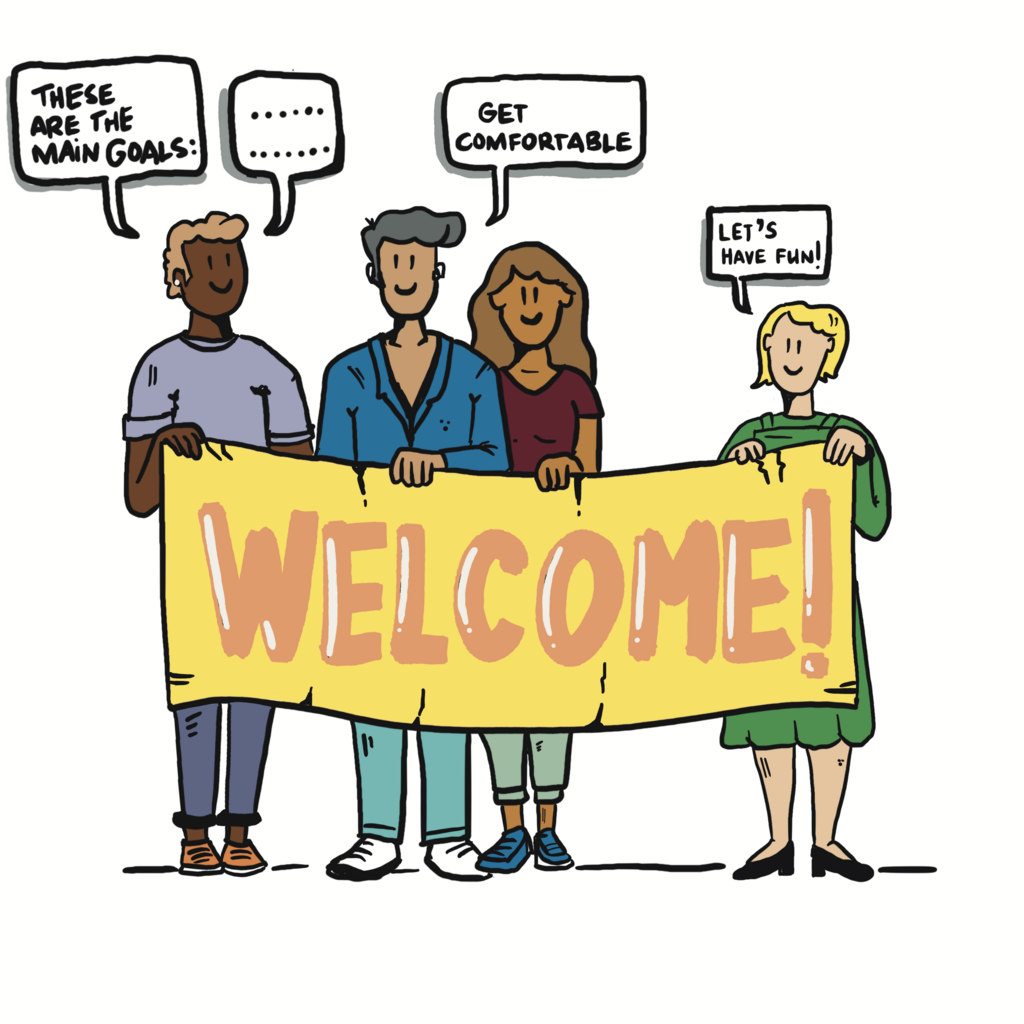
Words and Actions
Greetings come in two main flavors: verbal and non-verbal. Often, we use them together without even thinking about it.
Verbal greetings are the words we say. Simple phrases like "Good morning," "How's it going?", or just "Hey" are the most common. They are the audible handshake that kicks things off.
Non-verbal greetings are just as important. A handshake, a wave, a nod, or a simple smile can convey warmth and confidence. These physical gestures often speak louder than words, adding a layer of sincerity to our verbal greetings. A firm handshake suggests confidence, while a nod can show respect and acknowledgment.
A genuine smile is a universal greeting. It's understood in every language and can bridge gaps instantly.
Knowing Your Audience
The right greeting often depends on the situation. Context is everything. You probably wouldn't greet your best friend the same way you'd greet your boss in a formal meeting. The relationship you have with the person and the setting you're in are key factors.
A casual wave might be perfect for a friend you see across the street, but a firm handshake is more appropriate when meeting a new client. Thinking about these factors helps you choose a greeting that makes everyone feel comfortable and respected.
| Situation | Greeting Style | Example |
|---|---|---|
| Meeting a friend | Informal, relaxed | "Hey, what's up?" with a wave |
| Job interview | Formal, respectful | "Good morning." with a firm handshake |
| Passing a neighbor | Casual, friendly | A simple nod and a smile |
Understanding these basics allows you to start any interaction on the right foot, paving the way for better communication and stronger relationships.