Introduction to Graphic Design
Introduction to Graphic Design
What Is Graphic Design?
Graphic design is the art of visual communication. It uses images, words, and symbols to share ideas and messages. Think about the logo on your coffee cup, the cover of your favorite book, or the layout of a website you visit. All of these are examples of graphic design.
Graphic design fundamentals involve using typography, illustrations, and graphics to communicate ideas or concepts visually.
The goal isn't just to make things look good. It’s about creating a message that is clear, effective, and easy to understand. A successful design guides the viewer's eye and helps them process information. It organizes content, evokes emotion, and makes a lasting impression.
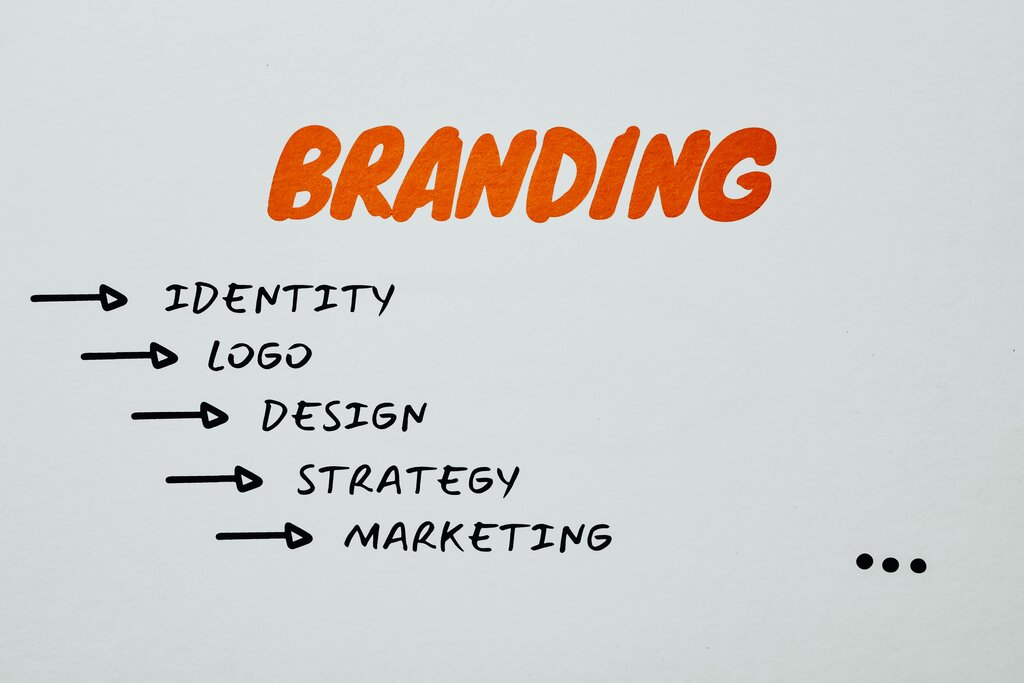
The Building Blocks
Every design, no matter how complex, is built from a few basic elements. Understanding these is the first step to creating effective visuals.
Here are the five fundamental elements of design:
| Element | Description |
|---|---|
| Line | A mark that connects two points. It can be straight, curved, thick, or thin. Lines guide the eye and create structure. |
| Shape | A two-dimensional area defined by an outline. Shapes can be geometric, like circles and squares, or organic and free-flowing. |
| Color | Used to create mood, draw attention, and organize information. It has three main properties: hue (the color itself), saturation (intensity), and value (lightness or darkness). |
| Texture | The surface quality of an object. It can be real (like the feel of rough paper) or implied (like a photo of wood grain), adding depth and interest. |
| Space | The area around or between elements. Often called "negative space" or "white space," it helps a design breathe and prevents it from feeling cluttered. |
Think of these elements as your ingredients. A chef uses flour, sugar, and eggs to bake a cake. A designer uses lines, shapes, and colors to build a visual composition.
Putting It All Together
Once you have your elements, you need to arrange them. The principles of design are guidelines that help you decide how to place these elements to create a successful composition. They are the recipe that turns your ingredients into a finished product.
Balance
noun
The distribution of the visual weight of objects, colors, texture, and space. A balanced design feels stable and natural.
Contrast is another key principle. It’s about making different elements stand out from one another to create visual interest or draw attention to a specific point. This could be a difference in color (light vs. dark), size (large vs. small), or shape (geometric vs. organic). Good contrast makes a design more scannable and easier to read.
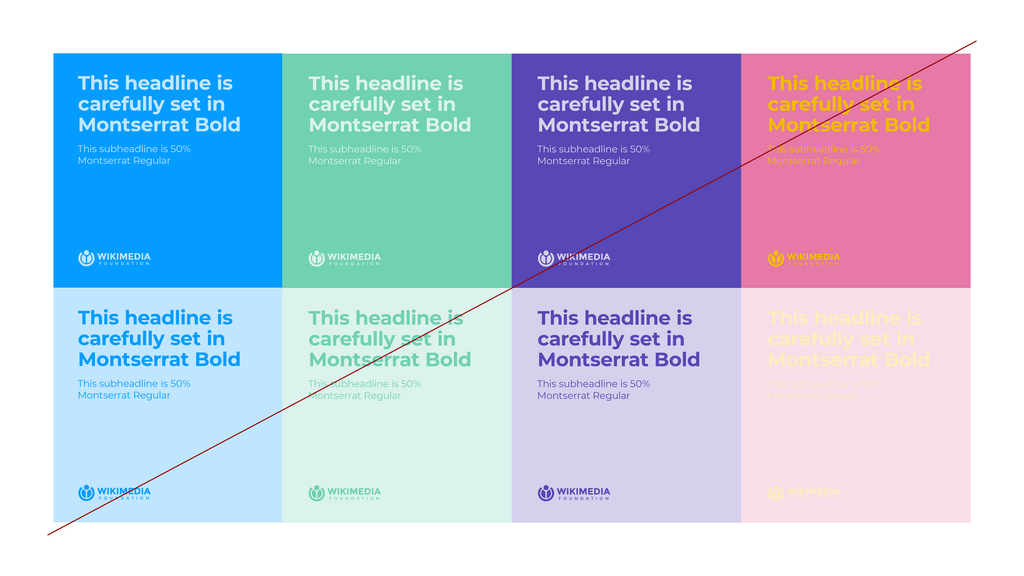
Emphasis is used to create a focal point, the most important part of the design. It’s what you want the viewer to see first. You can create emphasis using contrast, size, or placement.
Finally, unity ensures that all the individual parts of your design work together in harmony. When a design has unity, it feels complete and cohesive, not like a random collection of items thrown onto a page.
These core principles—balance, contrast, emphasis, and unity—are the foundation of almost every well-designed piece of visual media.
Let's review what you've learned about the foundations of graphic design.
Ready to test your knowledge? Take this short quiz.
What is the primary goal of graphic design?
In graphic design, elements are the basic 'ingredients' like lines and shapes. What are the principles of design?
By understanding the basic elements and principles, you've taken the first step toward thinking like a designer. These concepts will help you create and appreciate visual communication in the world around you.