Introduction to Graphic Design
Introduction to Graphic Design
What Is Graphic Design?
Graphic design is all around you. It’s the logo on your coffee cup, the cover of your favorite book, and the layout of the app you just used. At its core, graphic design is visual communication. It’s the art of using text, images, and shapes to solve problems and share ideas.
Think of it this way: a designer translates a message into a visual language that anyone can understand. The goal isn't just to make something look good, but to make it work well.
This field combines art with technology. Designers use their creativity to arrange visual elements in a way that is both effective and aesthetically pleasing. They consider everything from color and typography to space and layout. It's a broad field that touches almost every part of modern life, shaping how we see and interact with the world.
A Quick Look Back
While the term "graphic design" is relatively new, the practice is ancient. Humans have been communicating visually for millennia. Early cave paintings told stories of hunts and rituals. Egyptian hieroglyphs used symbols to record history and laws.
A major turning point was the invention of the printing press in the 15th century. Suddenly, books and images could be mass-produced, spreading ideas and information like never before. This laid the foundation for modern graphic design.
The field truly came into its own during the Industrial Revolution. Businesses needed ways to stand out in a crowded market, leading to the rise of advertising, posters, and logos. Movements like the Bauhaus in the early 20th century pushed the idea that design should be simple, functional, and accessible. The digital revolution of the late 20th century then changed everything again, giving designers powerful new tools and platforms.
Why Design Matters
Good graphic design is invisible. It guides you without you even noticing. Think about road signs that help you navigate a city, or the clear instructions that come with a new gadget. Design brings order to chaos and makes information easier to understand and use.
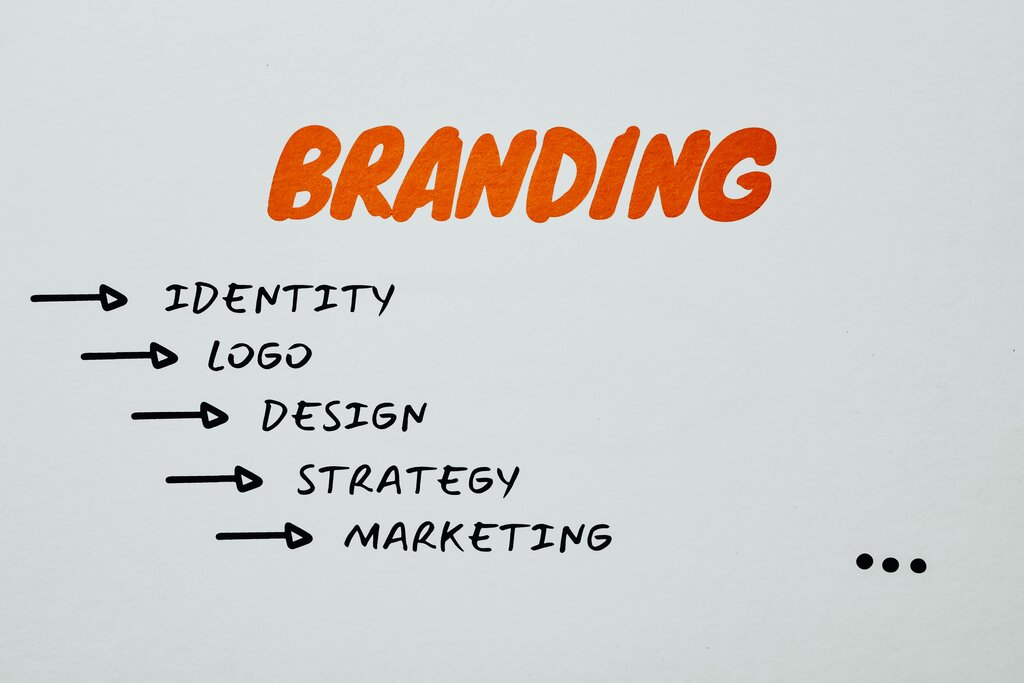
It also builds identity and trust. A company's logo, website, and packaging all work together to create a cohesive brand. This visual identity helps you recognize a product and tells you what to expect from it. It’s a visual promise of quality and personality.
Visual elements such as logos, color schemes, typography, and imagery play a crucial role in brand recognition and recall.
Beyond being practical, graphic design has the power to inform, persuade, and connect with us on an emotional level. A powerful infographic can make complex data understandable, a movie poster can create excitement, and a social campaign's design can inspire action. It shapes our perceptions and influences our decisions every day.
Design in the Wild
Graphic design isn't confined to art galleries. It’s a practical skill used across countless industries.
| Industry | Application Examples |
|---|---|
| Marketing & Advertising | Logos, brochures, social media ads, billboards |
| Publishing | Book covers, magazine layouts, newspaper design |
| Web & Digital | Website layouts, mobile app interfaces (UI), email newsletters |
| Entertainment | Movie posters, album art, video game interfaces |
| Environmental | Signage, museum exhibits, retail store displays |
Whether it's the packaging that convinces you to try a new snack or the user interface that makes an app a joy to use, graphic design is a fundamental part of our experience. It's a dynamic field that continues to evolve with technology and culture.
Now that you have a sense of what graphic design is, let's test your understanding.
What is the core purpose of graphic design?
Which historical invention was a major turning point for graphic design by enabling the mass production of visual materials?
Understanding these core concepts provides a strong foundation for exploring the world of visual communication.