Introduction to Grade 11 Life Sciences
Cell Biology
The Building Blocks of Life
Every living thing you can see, from a tiny ant to a giant redwood tree, is made of cells. They're the fundamental units of life. Think of them like bricks in a house. A single brick isn't a house, but stack enough of them together in the right way, and you build something complex and functional. All life starts with at least one cell.
The cell theory states that all living organisms are composed of cells, and all cells come from pre-existing cells.
While all cells share some basic features, like a protective outer barrier called the cell membrane and genetic material (DNA), they come in two main designs: prokaryotic and eukaryotic.
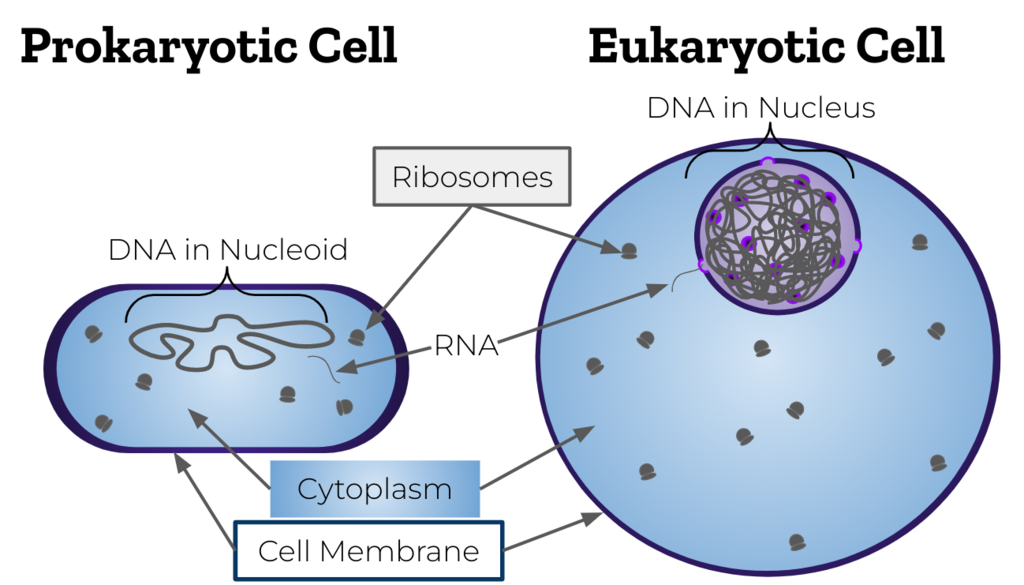
Prokaryotic cells are simple and small. Their most defining feature is the absence of a nucleus. Their DNA just floats around inside the cell in a region called the nucleoid. Bacteria are the most common example of prokaryotes.
Eukaryotic cells are larger and much more complex. They have a dedicated compartment, the nucleus, to house their DNA. They also contain many other specialized structures called organelles, which are like tiny organs that perform specific jobs within the cell. The cells that make up plants, animals, fungi, and protists are all eukaryotic.
Organelle
noun
A specialized subunit within a cell that has a specific function.
One Cell or Many
Organisms can be classified by how many cells they have. Unicellular organisms, like bacteria and amoebas, are made of just a single cell. That one cell has to do everything: eat, move, reproduce, and respond to its environment. It's a self-sufficient marvel of efficiency.
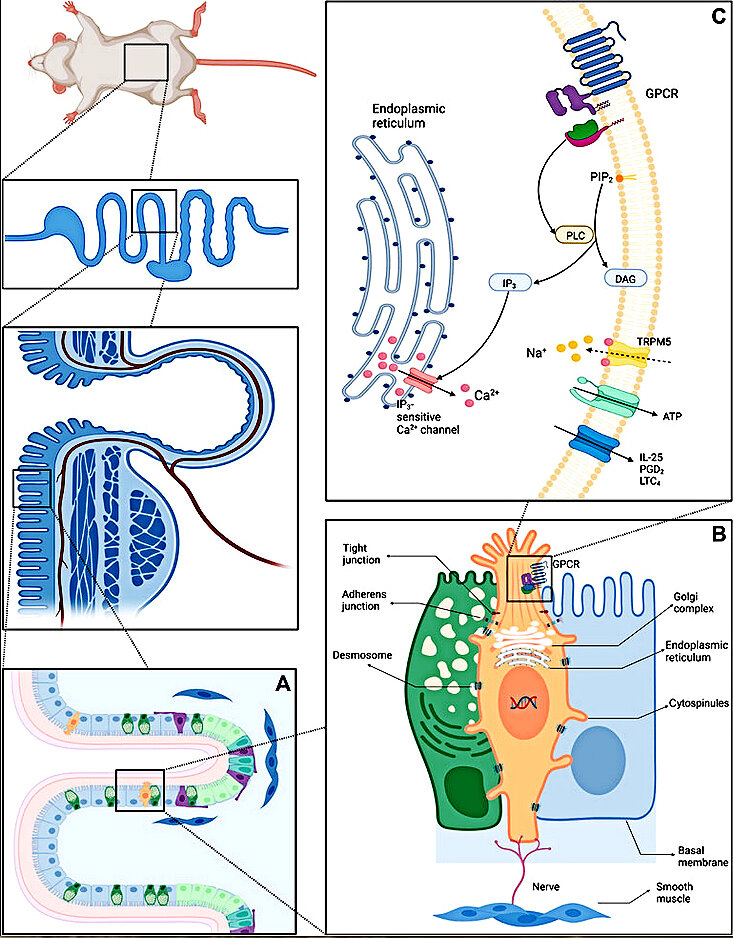
Multicellular organisms, like us, are made of many cells—trillions, in fact. This division of labor allows for something remarkable: cell specialization.
Cell specialization is the process by which generic cells change into specific cells meant to do certain tasks within the body.
A muscle cell is built for contraction, a nerve cell is designed for sending signals, and a skin cell is structured to form a protective barrier. None of these cells could survive on its own, but by working together, they create complex tissues, organs, and organ systems. This teamwork allows multicellular organisms to grow much larger and perform a wider range of functions than any single-celled organism could.
How Cells Multiply
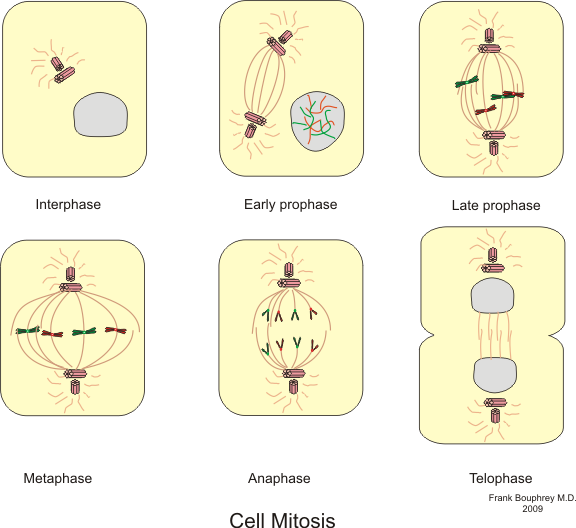
Cells don't live forever, and organisms need to grow. New cells are created through cell division. The two main types of cell division in eukaryotes are mitosis and meiosis.
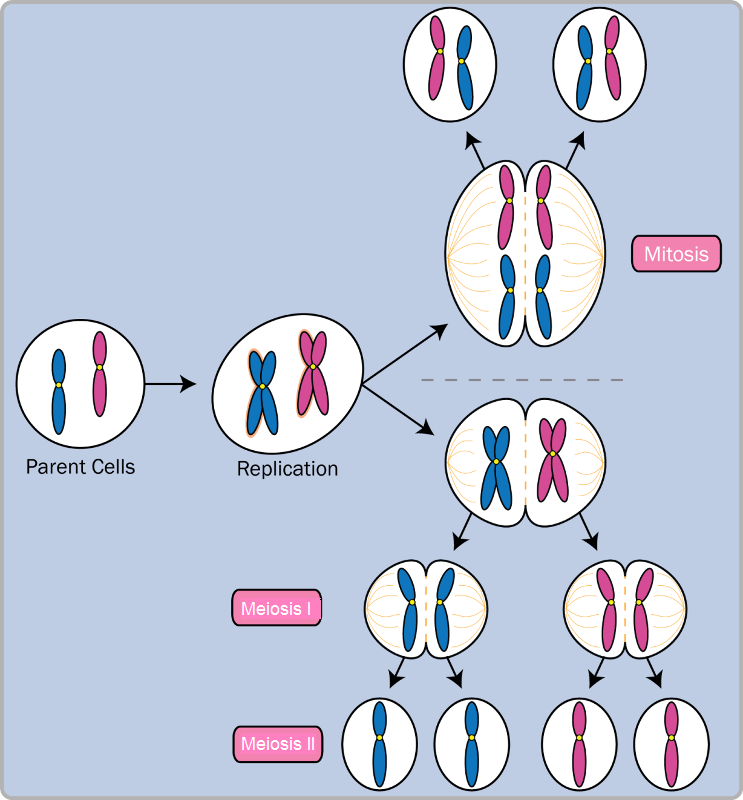
Mitosis is for growth and repair. When you scrape your knee, mitosis is the process that creates new skin cells to heal the wound. In mitosis, a single parent cell divides to produce two identical daughter cells. Each new cell has the exact same genetic information as the original.
Meiosis, on the other hand, has a different purpose: sexual reproduction. Its goal is to produce gametes—sperm or egg cells. Unlike mitosis, meiosis involves two rounds of division and results in four daughter cells. Crucially, each of these cells has only half the amount of DNA as the parent cell. This ensures that when a sperm and egg combine during fertilization, the resulting offspring has a full set of genetic material.
The Energy of Life
All of these cellular activities require energy. Cells have developed incredible ways to capture, store, and use energy to power their functions.
Most eukaryotic organisms, including animals, perform cellular respiration. In this process, cells break down glucose (a type of sugar) in the presence of oxygen to produce ATP (adenosine triphosphate). ATP is the main energy currency of the cell, providing the power for everything from muscle contraction to DNA replication.
Plants, algae, and some bacteria have an additional trick up their sleeves: photosynthesis. They use energy from sunlight to convert carbon dioxide and water into glucose and oxygen. This process not only creates the fuel they need for their own cellular respiration but also releases the oxygen that most other life forms depend on.
Notice anything? The two processes are nearly mirror images of each other. The products of photosynthesis are the reactants of cellular respiration, and vice versa. This beautiful cycle connects almost all life on Earth.
The Gray Area: Viruses
Viruses are fascinating because they exist on the edge of life. They aren't made of cells and can't reproduce on their own. A virus is essentially just a bit of genetic material (DNA or RNA) wrapped in a protein coat.
To replicate, a virus must infect a living host cell. It hijacks the cell's machinery, forcing it to make thousands of new virus copies. This process often destroys the host cell, releasing the new viruses to infect other cells.
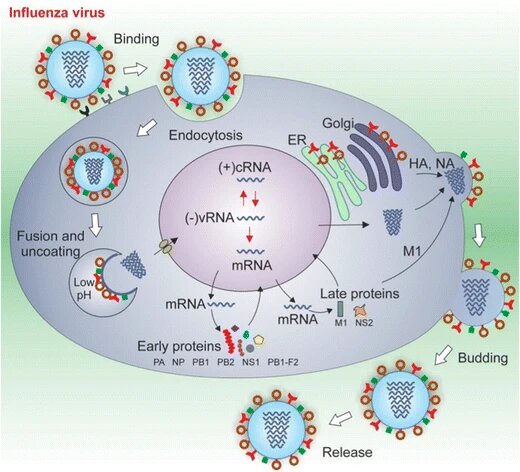
Because they depend entirely on living cells, viruses blur the line between living and non-living. They are a powerful reminder of the intricate and sometimes parasitic relationships that shape the biological world.
Ready to check your understanding of the cell?