Introduction to German
German Alphabet and Pronunciation
The German Alphabet
The German alphabet looks a lot like the English one. It uses the same 26 Latin letters, so you already have a head start. The pronunciation, however, is where things get interesting. German is a very phonetic language, which means words are generally pronounced exactly as they are spelled. Once you learn the sound for each letter, you can confidently pronounce most words you see.
| Letter | Name (Pronunciation) | Sounds Like (in English) |
|---|---|---|
| A a | Ah | a in father |
| B b | Beh | b in bed |
| C c | Tseh | ts in cats (before ä, e, i) / k in cat (otherwise) |
| D d | Deh | d in dog |
| E e | Eh | e in bed (short) / ay in way (long) |
| F f | Eff | f in fish |
| G g | Geh | g in go |
| H h | Hah | h in hat |
| I i | Ee | ee in see |
| J j | Yot | y in yes |
| K k | Kah | k in kite |
| L l | Ell | l in lamp |
| M m | Emm | m in man |
| N n | Enn | n in no |
| O o | Oh | o in open |
| P p | Peh | p in pen |
| Q q | Koo | kv sound, like qu in queen |
| R r | Err | A rolled or gargled 'r' sound in the back of the throat |
| S s | Ess | z in zoo (at start of a word) / s in sun (otherwise) |
| T t | Teh | t in top |
| U u | Oo | oo in moon |
| V v | Fow | f in fan |
| W w | Veh | v in van |
| X x | Iks | x in fox |
| Y y | Upsilon | ü sound (no English equivalent) |
| Z z | Tsett | ts in cats |
Special Characters
Beyond the standard 26 letters, German has four special characters you need to know. Three of these are vowels with two dots over them, called umlauts. The fourth is a unique consonant.
Umlaut
noun
A mark (¨) placed over a vowel in German (ä, ö, ü) to indicate a different pronunciation.
Think of umlauts as modified versions of their plain vowel counterparts.
- ä (a-umlaut) sounds like the short 'e' in "bed". It's a brighter, more forward sound than 'a'.
- ö (o-umlaut) has no direct English equivalent. To make this sound, form your lips as if you're about to say "ooh", but try to say "eh" instead. It's the sound in words like schön (beautiful) and Öl (oil).
- ü (u-umlaut) is also tricky. Prepare to say the 'ee' sound in "see", but round your lips tightly as if you were about to whistle. You'll use this for words like über (over) and müde (tired).
Finally, there's the ß, called the Eszett or "sharp S." It simply represents a voiceless 'ss' sound, like in the word "stress." It's used after long vowels or diphthongs.
Example: The word Straße (street) uses 'ß' because the 'a' is a long vowel. In contrast, Fluss (river) uses 'ss' because the 'u' is a short vowel.
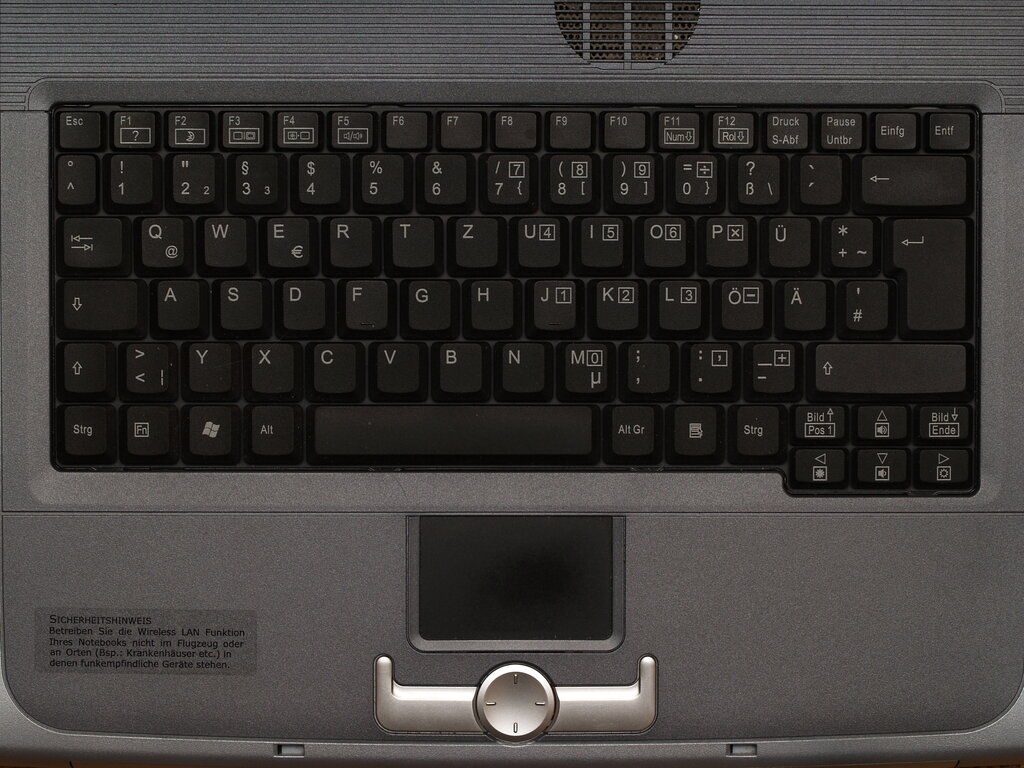
If you can't type these special characters, you can use a two-letter substitute: ae for ä, oe for ö, ue for ü, and ss for ß.
Common Letter Combinations
Just like 'sh' and 'th' in English, German has letter combinations that create specific sounds. Mastering these is key to sounding natural.
| Combination | Sound | English Example |
|---|---|---|
| ei | like 'eye' | ice |
| ie | like 'ee' | see |
| eu, äu | like 'oy' | toy |
| ch | Guttural, throaty sound after a, o, u | (no English equivalent) |
| ch | Hissing sound like a cat after e, i, ä, ö, ü | h in huge |
| sch | like 'sh' | shoe |
| sp, st | like 'shp', 'sht' (at the start of a word) | shape, shop |
| -ig | like 'ich' (at the end of a word) | see ch (hissing sound) |
The 'ch' sound is one of the most distinctive in German. After vowels like 'a', 'o', and 'u', it's a rough, throaty sound made in the back of your mouth, like in the word Buch (book). After 'e', 'i', or an umlaut, it's a softer, hissing sound made in the front of your mouth, like in ich (I).
Practice tip: Try whispering the 'k' sound. The airy sound you make is close to the guttural 'ch'.
Learning these letters and combinations is your first big step. It takes practice, but the consistency of German pronunciation will soon make reading and speaking feel much more intuitive.
Besides the 26 standard Latin letters, how many unique special characters are used in the German alphabet?
Which English word contains a sound that is closest to the German vowel 'ä'?