Introduction to Geography
Introduction to Geography
More Than Just Maps
Geography is the study of places and the relationships between people and their environments. It’s not just about memorizing capitals and locating countries on a map. Geographers explore both the physical properties of Earth’s surface and the human societies that spread across it. They also examine how human culture interacts with the natural environment, and the way that locations and places can have an impact on people.
Geography is the study of Earth’s landscapes, climates, populations, and the interactions between people and their environments.
At its core, geography is about understanding our world from a spatial perspective. It asks questions like: Why are things located where they are? How are places connected? How do humans change the Earth, and how does the Earth change them? This focus on “space” and the connections within it is what makes geography unique.
Two Sides of the Same World
To make sense of such a broad field, geography is often split into two main branches: physical geography and human geography. Think of them as two different lenses for viewing the same planet.
Physical geography focuses on the natural world. It studies Earth's seasons, climate, atmosphere, soil, streams, landforms, and oceans. If it’s a natural process or feature, it falls under physical geography.
For example, a physical geographer might study how a river carves a canyon out of rock over millions of years, or how ocean currents affect weather patterns around the globe.
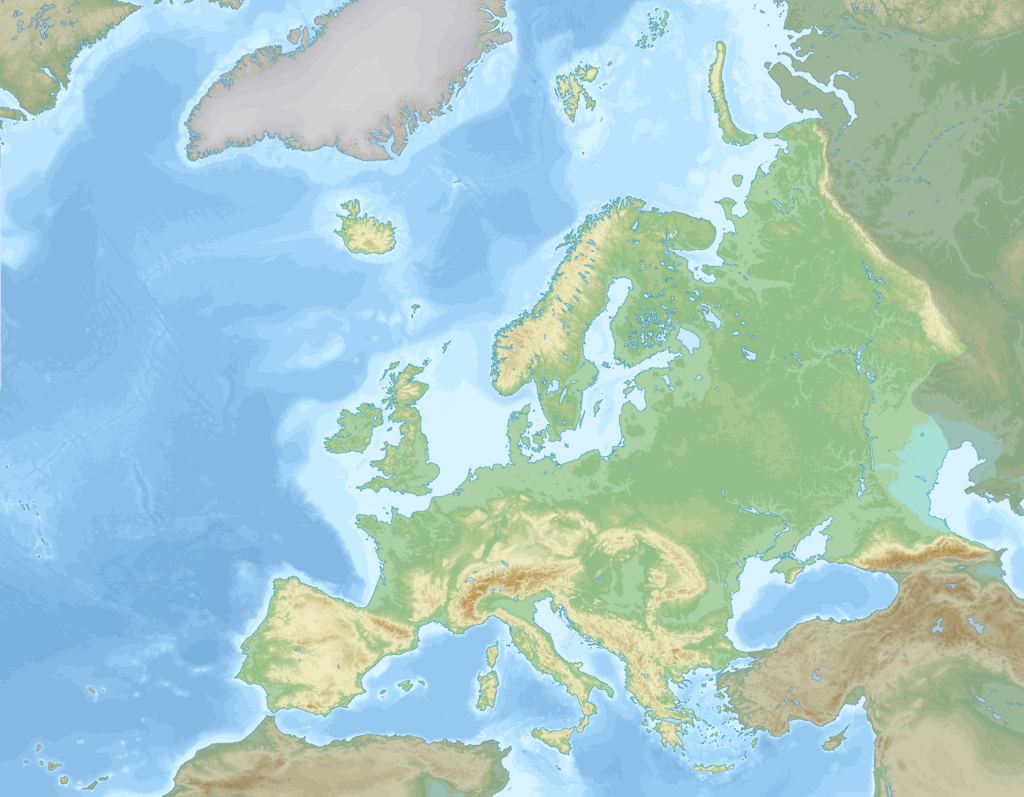
Human geography centers on people. It studies where people live, what they do, and how they create and change places. It explores topics like cultures, economies, cities, and political systems.
A human geographer might investigate why a city grew in a particular spot, how a new highway affects community life, or how ideas spread from one culture to another. While these two branches focus on different aspects, they are deeply connected. A mountain range (physical) can influence where people build cities (human). Farming practices (human) can lead to soil erosion (physical). The real world rarely fits into neat boxes.
A Framework for Thinking
To help organize geographic inquiry, experts use five core themes. These themes act as a set of guiding questions to explore any place on Earth.
Learn the five core themes—location, place, human-environment interaction, movement, and region.
Let's break them down.
| Theme | Key Question | Example |
|---|---|---|
| Location | Where is it? | A city's exact coordinates on a map (absolute) or its position next to a river (relative). |
| Place | What's it like there? | A place might be described as hilly and forested (physical) and having a small, tight-knit community (human). |
| Human-Environment Interaction | How do people relate to the physical world? | People build dams to control rivers, and people in cold climates build insulated homes. |
| Movement | How do people, goods, and ideas move from one location to another? | The migration of people, the shipping of goods across the ocean, and the spread of trends on the internet. |
| Region | How are places similar or different? | The deserts of the world form a region based on their shared climate and lack of rainfall. |
Using these five themes, you can analyze almost any geographic topic, from the growth of your own neighborhood to global climate patterns. They provide a reliable structure for asking questions and finding answers about the world around us.
Now, let's test your understanding of these foundational ideas.
Which statement best describes the primary focus of geography?
A researcher studying how the construction of a new highway system has changed traffic patterns and neighborhood development in a city is most likely a...
By understanding these core concepts, you've taken the first step into the fascinating field of geography. You now have the tools to look at the world not just as a collection of places, but as an interconnected system of people, environments, and movements.