Introduction to Genetic Engineering
Introduction to Genetic Engineering
Editing the Blueprint of Life
Imagine every living thing, from a tiny bacterium to a giant redwood tree, has a detailed instruction manual inside it. This manual, called DNA, contains all the information needed for the organism to grow, function, and reproduce. Genetic engineering is the science of deliberately editing this instruction manual.
Think of it like editing a document on a computer. Scientists can find a specific sentence, or 'gene', and change it. They can cut out a gene, add a new one, or modify an existing one. The goal is to change a specific characteristic of the organism, like making a plant resistant to disease or helping a cell produce a life-saving medicine.
At its core, genetic engineering is the direct manipulation of an organism's genes using biotechnology.
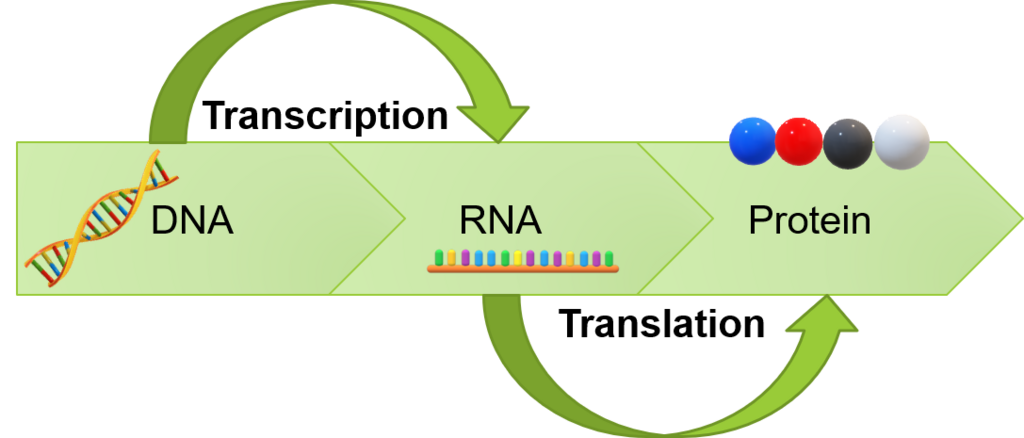
This process works because DNA has a universal code. The instructions in human DNA are written in the same language as the DNA in bacteria. This shared language allows scientists to take a gene from one organism and insert it into another, where it can be read and used. The fundamental process through which these genetic instructions are used is called the central dogma of molecular biology.
A Brief History
For thousands of years, humans have been indirectly manipulating genes through selective breeding. We chose the plumpest corn and the friendliest dogs to reproduce, gradually shaping their traits over generations. But modern genetic engineering, where we can edit the DNA directly, is much more recent.
The field exploded after a few key discoveries. Understanding the double helix structure of DNA in the 1950s was like finding the language's alphabet and grammar. By the 1970s, scientists had developed the tools to 'cut' and 'paste' DNA segments, creating the first genetically modified organism.
| Year | Milestone |
|---|---|
| 1953 | Watson and Crick describe the double helix structure of DNA. |
| 1973 | Cohen and Boyer create the first recombinant DNA organism by inserting a gene into bacteria. |
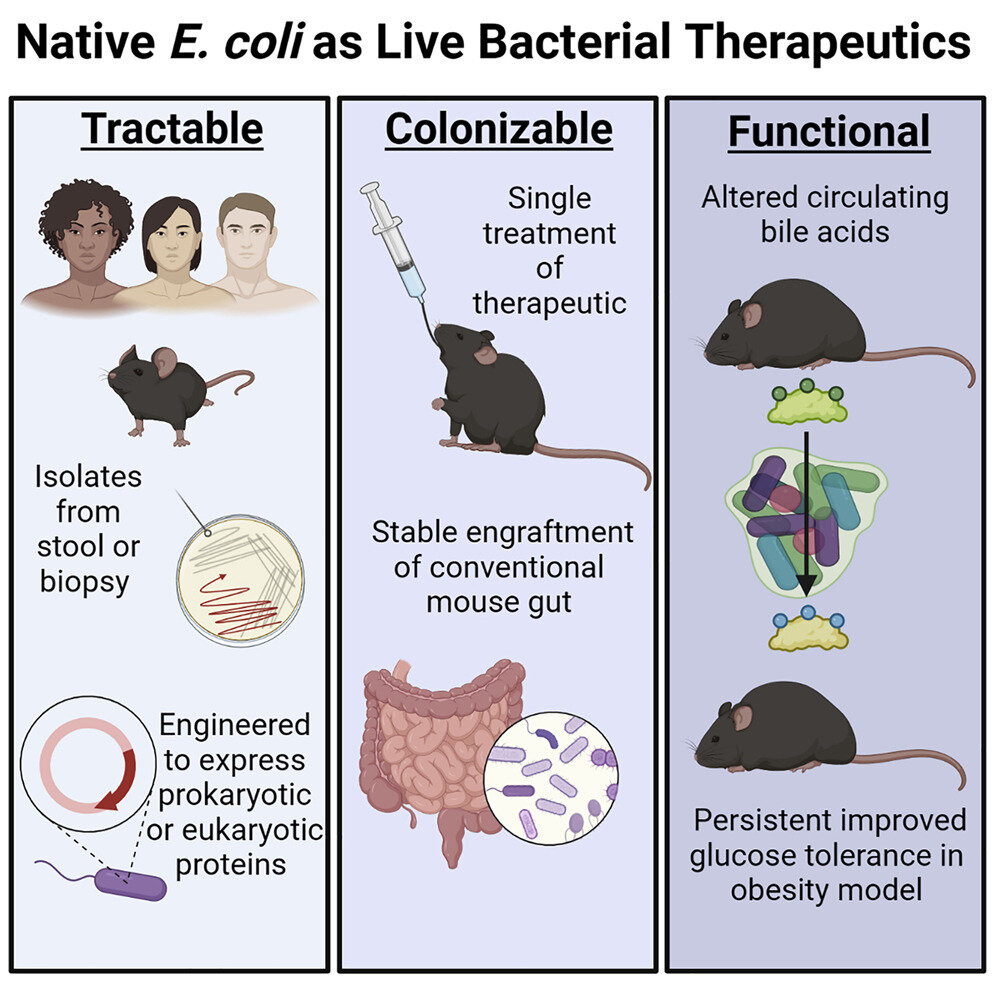
| 1978 | Genentech produces human insulin using genetically engineered E. coli bacteria. |
| 1982 | The FDA approves this human insulin, the first commercial product of genetic engineering. |
| 1994 | The first genetically modified food, the Flavr Savr tomato, is approved for sale. |
Genetic Engineering in Action
The ability to edit DNA has transformed many industries. The applications are widespread and impact our daily lives in ways we might not even realize.
In medicine, genetic engineering has been revolutionary. The production of insulin by bacteria is a classic example. Before this breakthrough, insulin for diabetics was extracted from pigs and cattle, which could cause allergic reactions. Now, vast quantities of pure human insulin are produced in labs, making treatment safer and more accessible.
Agriculture has also seen massive changes. Scientists have engineered crops to resist pests, reducing the need for chemical pesticides. One example is Bt corn, which contains a gene from the bacterium Bacillus thuringiensis. This gene produces a protein that is toxic to certain insects but harmless to humans. Other crops have been modified to tolerate herbicides, resist drought, or even contain extra nutrients, like Golden Rice, which is engineered to produce vitamin A.
Beyond the pharmacy and the farm, biotechnology uses genetic engineering for industrial purposes. Enzymes created by modified microorganisms are used to make cheese, brew beer, and even make laundry detergents more effective at breaking down stains. Some bacteria have been engineered to clean up environmental pollutants like oil spills, turning harmful chemicals into less toxic substances.
Ready to check your understanding of these core concepts?
What is the primary goal of genetic engineering?
Bt corn is a genetically modified crop that resists certain insects. How is this resistance achieved?
From medicine to manufacturing, the deliberate editing of DNA has opened up a world of possibilities, giving us new tools to solve old problems.