Introduction to Generative AI
Introduction to Generative AI
What Is Generative AI?
Artificial intelligence is a broad field, but most of it works by recognizing patterns. An AI might look at a picture and identify a cat, or analyze sales data to predict next month's numbers. This type of AI is called discriminative AI. It's trained to sort, classify, or predict based on the data it's given.
Generative AI is different. Instead of just recognizing patterns, it creates something entirely new. It generates content. This could be text, images, music, or code that has never existed before. It learns the underlying patterns and structures from a massive amount of data and then uses that knowledge to produce original work.
Think of it this way: a discriminative AI can tell you if a painting was made by Van Gogh. A generative AI can create a new painting in the style of Van Gogh.
This ability to create makes generative AI incredibly powerful. It's not just an analytical tool; it's a creative partner. This shift from analysis to creation is why generative AI has captured so much attention and is transforming industries from art to engineering.
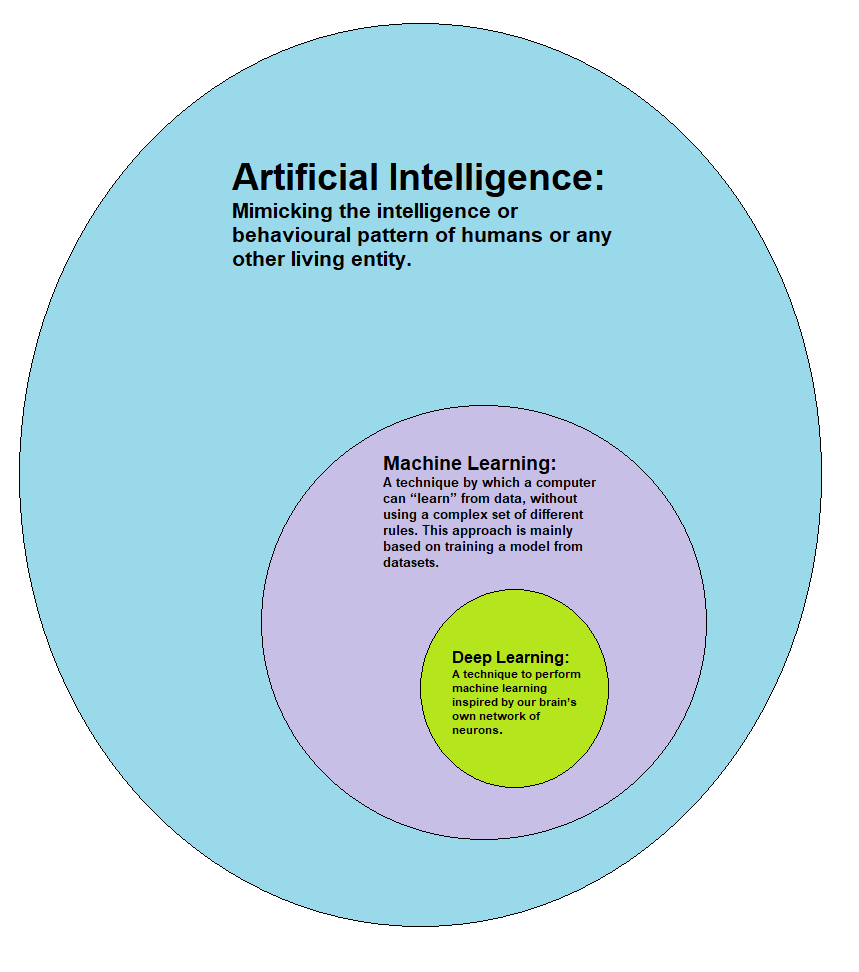
Generative vs. Discriminative AI
To really understand what makes generative AI unique, it helps to compare it directly with its counterpart, discriminative AI. Both are types of machine learning, but they have fundamentally different goals.
A discriminative model learns the boundary between different categories of data. Given an input, its job is to assign a label. For example, a spam filter is a classic discriminative model. It reads an email and decides: is this spam or not spam? It's making a judgment based on features it has learned to associate with each category.
A generative model, on the other hand, learns the distribution of the data itself. It tries to understand how the data is generated. Instead of just learning the line between spam and not-spam, it learns what spam emails look like and what non-spam emails look like. With that knowledge, it could theoretically write a brand new spam email for you.
| Feature | Discriminative AI | Generative AI |
|---|---|---|
| Goal | Classify or predict | Create new data |
| Question | "Is this A or B?" | "What does A look like?" |
| Example | Spam detection, image recognition | Text generation, image creation |
| Output | A label or a value | New, original content |
The core principle behind generative models is learning a probability distribution of a dataset. Imagine you have thousands of pictures of dogs. A generative model doesn't just learn to recognize a dog. It learns the statistical likelihood of pixel patterns that make up a dog. It learns about fur texture, ear shapes, and eye placement. Then, it can sample from this learned distribution to generate a new image of a dog that follows these same statistical patterns.
A Brief Evolution
Generative AI isn't brand new, but its capabilities have exploded in recent years. Early generative models from the 1960s, like the chatbot ELIZA, were based on simple rules and templates. They could mimic conversation but didn't truly understand language or create novel ideas.
The real breakthroughs came with the rise of deep learning and neural networks. In 2014, the introduction of Generative Adversarial Networks (GANs) was a major leap. GANs use two competing neural networks, a generator and a discriminator, to create incredibly realistic images.
More recently, a new architecture called the Transformer has become dominant, especially for text. Models like GPT (Generative Pre-trained Transformer) are built on this technology. Transformers are exceptionally good at understanding context in sequential data like language, allowing them to write coherent paragraphs, articles, and even code.
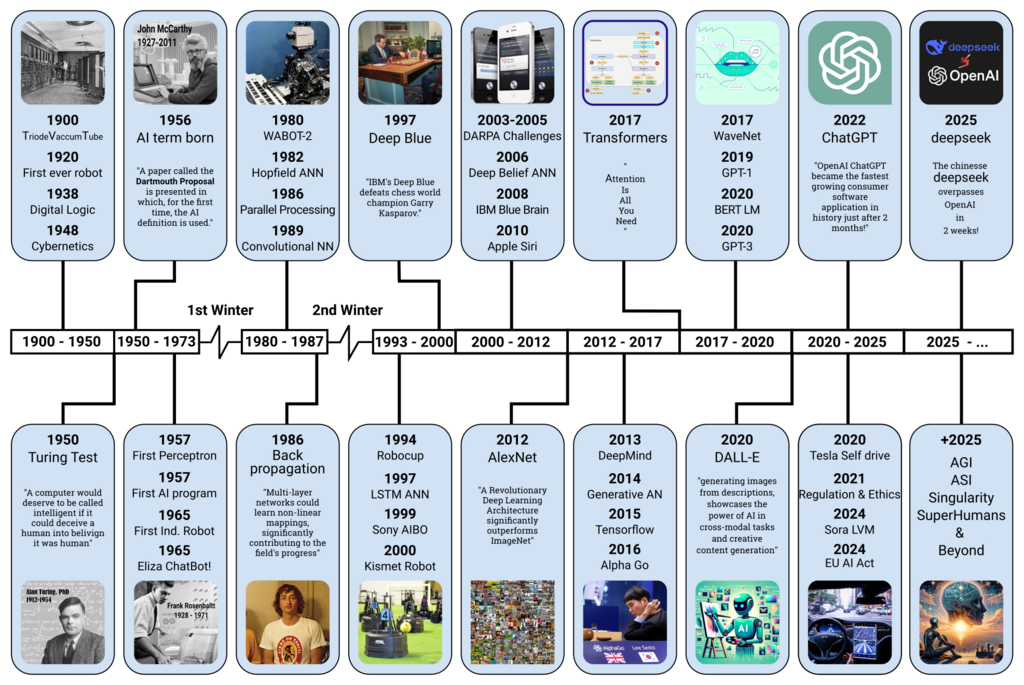
This evolution from rule-based systems to complex neural networks is driven by two things: massive increases in computing power and the availability of vast datasets from the internet. These ingredients allow today's models to learn the intricate patterns of human language and visual information on a scale never before possible.
Ready to check your understanding?
What is the primary function of generative AI?
An AI system that reviews medical images to determine whether a tumor is malignant or benign is an example of which type of AI?
Generative AI is a fundamental shift in what's possible with artificial intelligence. By moving from simply analyzing the world to creating new things within it, these models have opened up a new frontier of innovation.