Introduction to Game Development
Game Development Overview
How Games Are Made
Making a video game is a journey. It starts with a spark of an idea and, through a structured process, grows into an interactive world. While it might seem like magic, creating a game is a blend of creativity, technology, and teamwork. Let's walk through the path a game takes from concept to your screen.
The Development Journey
Every game, from a simple mobile puzzle to a massive open-world adventure, follows a similar set of stages. The journey begins with pre-production. This is the planning phase. The team figures out the core concept: What is the game about? Who is it for? What will players do?
This is where they create a Game Design Document (GDD). Think of it as the game's blueprint. It details the story, characters, game mechanics, art style, and technical requirements. A solid GDD ensures everyone on the team is working toward the same vision.
The GDD is a living document. It guides the project and helps the team stay on track, but it can also evolve as the game takes shape and new ideas emerge.
Next comes production, the longest and most intensive phase. This is where the game is actually built. Programmers write the code that makes the game run. Artists create the characters, environments, and visual effects. Sound designers craft the music and sound effects that bring the world to life. Level designers build the actual spaces where you'll play. It’s a massive collaborative effort to assemble all the pieces.
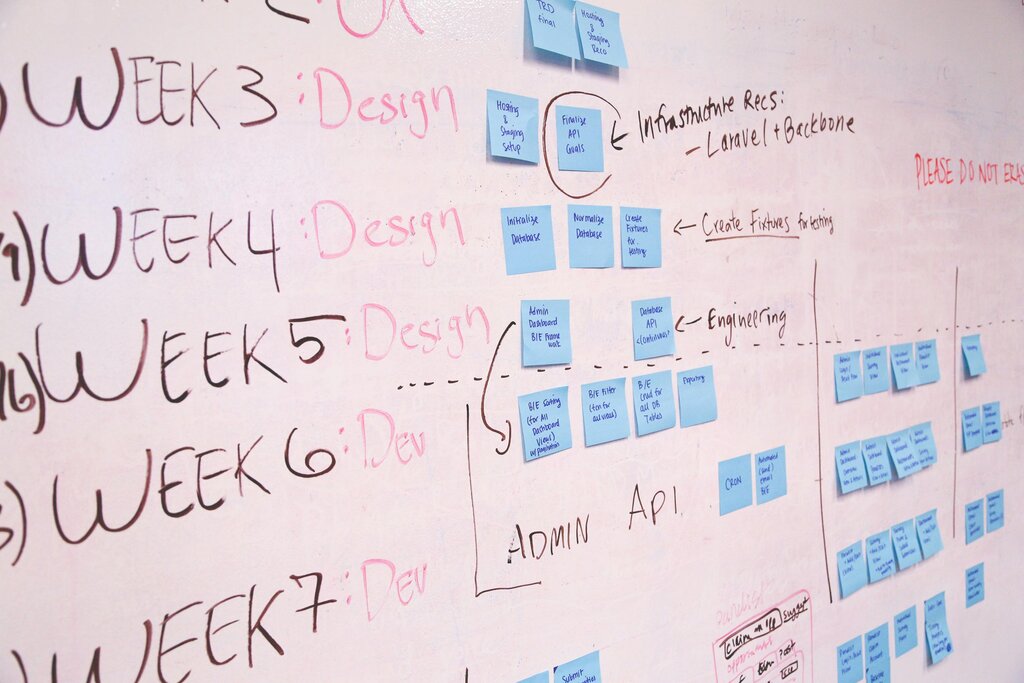
Once the game is playable from start to finish, it enters post-production. The first step is testing. The game is put through rigorous quality assurance (QA) to find and fix bugs. This often happens in stages, like an internal Alpha test followed by a more public Beta test.
After the bugs are squashed and the game is polished, it’s time for launch! But the work doesn’t stop there. Many developers continue to support their games with patches, updates, and new content to keep players engaged.
The Team Behind the Game
While a single person can certainly create a game, most commercial titles are built by teams of specialists. Each person brings a unique skill set to the project, and their collaboration is what makes the final product possible.
A typical game development team might include game designers, who devise the game's mechanics and story; programmers, who bring these ideas to life through code; artists and animators, who create the visual elements; sound engineers, who design audio effects and music; and testers, who ensure the game is both fun and functional.
Here’s a quick look at some of the key roles you'll find on a game development team.
| Role | Primary Responsibility |
|---|---|
| Game Designer | Defines the rules, mechanics, and overall player experience. |
| Programmer | Writes the code that makes the game function. |
| Artist | Creates all visual assets, like characters and environments. |
| Sound Designer | Produces music, sound effects, and voice-overs. |
| Producer | Manages the project's schedule, budget, and team. |
| QA Tester | Finds and reports bugs and gameplay issues. |
In smaller teams, people often wear multiple hats. An indie developer might be the designer, programmer, and artist all in one. In large studios, these roles become highly specialized. For example, you might have artists who only work on character models or programmers who only work on the game's physics.
Tools of the Trade
To build a game, developers rely on a variety of software tools. The most important of these is the game engine.
Game Engine
noun
A software framework designed for the creation and development of video games. It provides core functionality, such as a rendering engine for graphics, a physics engine, sound, and animation.
Think of a game engine as a workshop that comes with all the heavy machinery already set up. Instead of having to build a system to draw graphics to the screen or calculate how objects should fall, developers can use the engine's built-in tools. This lets them focus on creating the unique parts of their game, like the characters, story, and gameplay mechanics.
Some of the most popular game engines today are Unity, Unreal Engine, and Godot. Each has its own strengths, but they all serve the same fundamental purpose: to make the complex process of game development more manageable.
Besides game engines, teams use a wide array of other tools. Artists might use software like Blender for 3D modeling or Photoshop for 2D art. Sound designers work in Digital Audio Workstations (DAWs). Producers use project management software like Jira or Trello to keep everything organized.
Together, these stages, roles, and tools form the ecosystem of game development. It's a challenging field, but it’s also one of the most creative and rewarding.
Ready to check your understanding? Let's see what you've learned about the game development process.
What is the primary purpose of the pre-production phase in game development?
A development team is busy writing code, building 3D models for characters, and designing the game's levels. Which phase of the game development process are they in?
This overview provides a map of the game development world. With this foundation, you're ready to dive deeper into the specific skills and techniques used to bring games to life.