Introduction to Game Development
Introduction to 2D Game Development
The World of 2D Games
At its heart, 2D game development is about creating interactive experiences on a flat plane. Think of it like a digital stage play or a cartoon. Everything happens on a screen with two dimensions: width and height. There's no depth. This simplicity is what makes 2D games like Super Mario Bros. or Stardew Valley so timeless and accessible.
Creating these worlds involves combining art, sound, and logic to build something a player can interact with. You don't need to be a master artist or a coding genius to start. You just need an idea and the right tools.
Game Engines
A game engine is the foundation of your game. It’s a specialized software framework that handles the complex, repetitive tasks so you can focus on the creative parts. Imagine trying to build a car from scratch, mining the metal and forging every single bolt yourself. A game engine is like being given a pre-built chassis, wheels, and an engine. You still have to design the body, the interior, and how it drives, but the core mechanics are already there.
Engines manage things like rendering graphics to the screen, playing sounds, detecting collisions between objects, and handling physics. They provide a structure, a set of tools that streamline the development process immensely.
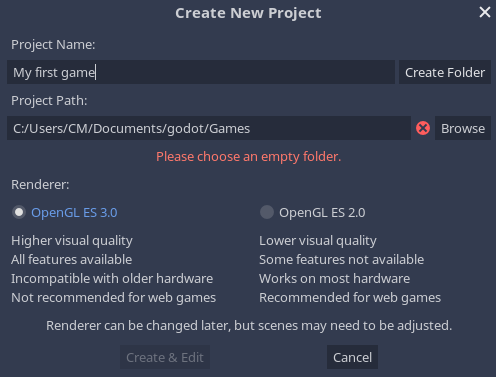
There are many game engines to choose from. Unity is a powerful and popular option, used for everything from small indie games to major commercial hits. Godot is a fantastic free and open-source engine with a very active community. GameMaker is known for being especially friendly to beginners. Each has its own strengths, but they all share the same goal: to make building games easier.
Programming and Game Logic
If a game engine is the foundation, a programming language is the set of instructions you use to build your game on top of it. Code is how you define the rules of your game world. What happens when the player presses the jump button? How much damage does an enemy take? How does the score increase when you collect a coin? These are all questions answered with code.
Each engine typically uses a primary language. Unity uses C#, a versatile language developed by Microsoft. Godot uses GDScript, which is designed to be very similar to Python and is easy to learn. Don't worry if you've never coded before. The languages used in game development are tools to bring your ideas to life, and modern engines make writing your first lines of code very approachable.
Understanding programming concepts such as variables, loops, conditional and data structures is crucial for game development.
Structure of a 2D Game
Most 2D games share a common structure built around a few key concepts.
The Game Loop This is the invisible heartbeat of your game. It's a loop that runs continuously, dozens of times per second. In each cycle, or "frame," the game does three things: processes player input, updates the game state (like moving characters or checking for collisions), and then draws everything to the screen. This cycle happens so fast that it creates the illusion of smooth motion and interaction.
Assets Assets are all the individual pieces of content that make up your game. This includes images (called sprites in 2D), sound effects, music, and fonts. Integrating these assets is how you give your game its unique look and feel. The game engine provides tools to import and manage all of these different file types.
Player Input Handling input is about detecting what the player is doing with their keyboard, mouse, controller, or touch screen, and making the game react. When a player presses the right arrow key, your code needs to tell the character's sprite to move to the right. This direct connection between player action and game reaction is what makes a game interactive.
Now that you have a grasp of the basic building blocks, it's time to see how they come together in a real project.