Introduction to Futures Trading
Introduction to Futures
What Are Futures?
Imagine a farmer who grows wheat and a baker who needs wheat to make bread. The farmer worries the price of wheat will drop before harvest, cutting into her profits. The baker worries the price will skyrocket, making his bread too expensive to sell. They could solve this by making a deal today. The farmer agrees to sell 1,000 bushels of wheat to the baker in three months for a set price, say $5 per bushel. No matter what the market price is in three months, they're both locked into that $5 price. The farmer has a guaranteed sale, and the baker has a guaranteed cost. They've both managed their risk.
That's the basic idea behind a futures contract. It's a legal agreement to buy or sell a particular asset at a predetermined price at a specified time in the future. These contracts aren't just for wheat; they exist for everything from oil and gold to currencies and stock market indexes. They trade on organized exchanges, which act as a middleman to ensure both sides of the deal honor their commitment.
Futures contracts allow participants to lock in prices today for transactions that will happen later. This helps businesses manage the risk of price fluctuations.
These contracts grew out of the agricultural markets in the mid-19th century, with traders gathering in Chicago to buy and sell contracts for future grain delivery. This helped create price stability and a more predictable market for farmers and consumers. Today, these markets are a core part of the global financial system, influencing the prices of many goods and services we use daily.
The Mechanics of a Contract
In a futures trade, there are two sides. The buyer of a futures contract takes a long position. They are agreeing to buy the asset in the future at the locked-in price. They hope the price of the asset will rise. The seller takes a short position, agreeing to sell the asset at the future date for the agreed-upon price. They hope the asset's price will fall.
Unlike the simple farmer-baker deal, futures contracts on an exchange are standardized. This means the exchange sets the specific details, so everyone is trading the exact same thing. These details are known as contract specifications.
| Specification | Description | Example: Crude Oil (CL) |
|---|---|---|
| Asset | What is being traded? | West Texas Intermediate (WTI) Crude Oil |
| Contract Size | How much of the asset is in one contract? | 1,000 barrels |
| Delivery Month | When does the contract expire? | Every month of the year |
| Price Quote | How is the price listed? | US dollars and cents per barrel |
| Tick Size | What is the minimum price movement? | $0.01 per barrel |
Standardization makes trading fast and efficient. Most traders, however, don't actually want 1,000 barrels of crude oil delivered to their doorstep. Instead, they close out their position before the contract expires by making an opposite trade. If you bought a contract, you sell it. If you sold one, you buy one back. The profit or loss is simply the difference between the price where you entered and the price where you exited.
The Power of Leverage
One of the key features of futures trading is leverage. Leverage allows you to control a large amount of an asset with a relatively small amount of money. This initial deposit is called margin.
Leverage
noun
The use of borrowed capital to invest, which can amplify both gains and losses.
Think of margin as a good-faith deposit, not a down payment. For example, to control a crude oil contract worth $80,000 (1,000 barrels at $80 each), you might only need to post a margin of $8,000. You are controlling a large asset value for a fraction of its total cost.
This has a powerful effect. If the price of oil goes up by just 💲1 per barrel, your contract is now worth 💲81,000. Your 💲8,000 investment has made a 💲1,000 profit. However, leverage is a double-edged sword. If the price drops by 💲1, your 💲8,000 investment has a 💲1,000 loss. Small price moves can lead to large and rapid changes in your trading account.
A Market for Almost Anything
Futures markets have expanded far beyond their agricultural roots. Today, you can trade futures on a vast array of asset classes, reflecting the complexity of the global economy.
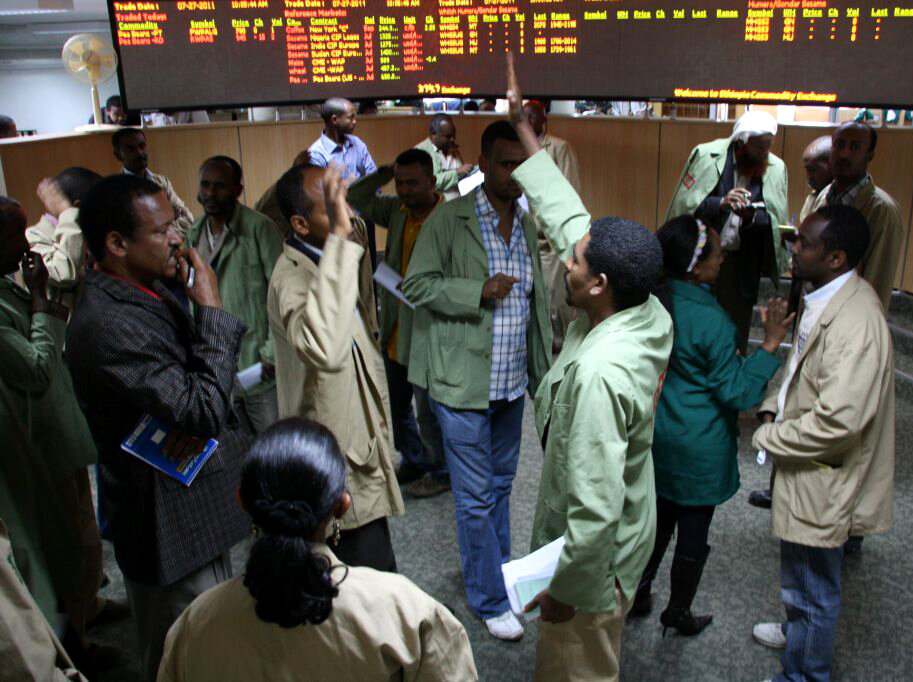
Commodities: This is the traditional home of futures. It includes:
- Agricultural: Corn, soybeans, wheat, coffee, sugar.
- Energy: Crude oil, natural gas, gasoline.
- Metals: Gold, silver, copper, platinum.
Financials: This is the largest segment of the futures market. It covers:
- Stock Indexes: Contracts based on the value of indexes like the S&P 500 or the Nasdaq 100.
- Interest Rates: Futures on government debt like U.S. Treasury bonds, allowing institutions to hedge against changes in interest rates.
- Currencies: Futures for major currency pairs, like the Euro versus the U.S. Dollar, used by multinational corporations to manage foreign exchange risk.
The existence of these markets allows businesses around the world to operate more smoothly. An airline can use futures to lock in a price for jet fuel, and a multinational company can protect itself from currency swings. They are essential tools for managing risk in a constantly changing world.
Ready to test your knowledge? Let's see what you've learned about the basics of futures contracts.
What is the primary purpose of a futures contract for a business like an airline or a farmer?
An investor who sells a futures contract, agreeing to deliver an asset at a future date, is taking a __________ position.
Futures provide a standardized and efficient way for businesses and investors to manage price risk or speculate on future price movements across a wide range of assets.