Introduction to Futures Trading
Introduction to Futures
What Are Futures?
Imagine a coffee farmer who is worried the price of coffee beans will drop before her harvest in six months. At the same time, a coffee shop owner is worried the price will rise, making his lattes more expensive to produce. They could make a deal. The farmer agrees to sell her beans to the shop owner in six months for today's price, and the owner agrees to buy them. They've both locked in a price, protecting themselves from future uncertainty.
This simple agreement is the core idea behind a futures contract.
A futures contract is a legal agreement to buy or sell a particular asset at a predetermined price at a specified time in the future.
These contracts are standardized and traded on an exchange, like the Chicago Mercantile Exchange (CME). This standardization means everyone is trading the exact same thing, which makes buying and selling easy. Instead of a farmer and a coffee shop owner finding each other, they can both just go to the futures market to lock in their prices.
The Structure of a Contract
Every futures contract has a few key components that are clearly defined so there’s no confusion.
| Component | Description | Example (Corn Contract) |
|---|---|---|
| Underlying Asset | The specific item being traded. | No. 2 Yellow Corn |
| Contract Size | The quantity of the asset in one contract. | 5,000 bushels |
| Delivery Date | The month when the asset must be delivered. | December 2024 |
| Price | The price per unit agreed upon. | $4.50 per bushel |
The underlying asset isn't always a physical commodity like corn or oil. Futures contracts exist for a wide range of assets, including:
- Commodities: Agricultural products (wheat, coffee), energy (crude oil, natural gas), and metals (gold, copper).
- Financial Instruments: Currencies (Euro, Japanese Yen) and interest rates.
- Stock Market Indices: The S&P 500 or the Nasdaq-100.
The Players in the Game
People and companies use futures markets for different reasons. They generally fall into two categories: hedgers and speculators.
Hedger
noun
An individual or firm that buys or sells a futures contract to reduce the risk of price fluctuations in an asset they have an interest in.
Hedgers use futures for protection. The coffee farmer and the shop owner from our example are both hedgers. An airline might buy fuel futures to lock in the price of jet fuel, protecting itself from a sudden spike in oil prices. A multinational corporation might use currency futures to protect against unfavorable exchange rate moves.
Hedgers aren't trying to make a profit from the futures contract itself. They are trying to make their business costs more predictable and stable.
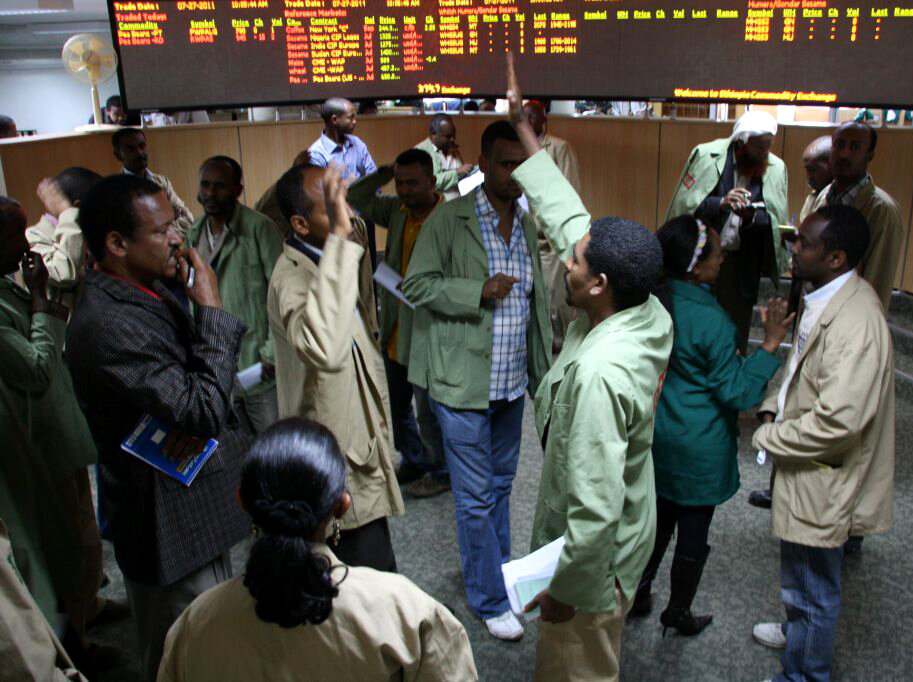
Speculator
noun
An individual or firm that trades futures contracts with the goal of profiting from price changes. Speculators accept risk in the hope of making money.
Speculators, on the other hand, are in it for the potential profit. They have no interest in owning the underlying asset. A speculator might buy a gold futures contract because they believe the price of gold will go up. If they're right, they can sell the contract for a higher price before the delivery date and pocket the difference.
Speculators provide a crucial ingredient to the market: liquidity. They take on the risk that hedgers want to get rid of, which makes it easier for everyone to buy and sell.
Why Futures Matter
Beyond just trading, futures markets serve two vital functions for the global economy: price discovery and risk management.
Price Discovery: The price of a futures contract reflects the market's collective guess about what an asset will be worth in the future. It aggregates information from thousands of participants, from farmers to financial analysts, providing a valuable benchmark for everyone.
Risk Management: As we've seen, futures provide an effective way for businesses to manage price uncertainty. By locking in future prices, a company can better plan its budgets and protect its profit margins from volatility. Essentially, the market allows risk to be transferred from those who don't want it (hedgers) to those who are willing to accept it (speculators).
We've covered the what, why, and who of futures contracts. Let's see what you've learned.
In the example of the coffee farmer and the coffee shop owner, what is the main reason they enter into a futures contract?
What is the primary role of a speculator in the futures market?
Understanding these fundamentals is the first step. Next, we'll look at how these contracts are actually traded.