Introduction to Freight Forwarding
Introduction to Freight Forwarding
The Travel Agent for Your Cargo
Imagine planning a complex international trip with multiple flights, train rides, and hotel stays in different countries. You could book everything yourself, navigating different languages, currencies, and booking systems. Or, you could hire a travel agent who handles all the details for you. A freight forwarder is like a travel agent, but for cargo instead of people.
They are expert coordinators who manage the logistics of moving goods from one place to another on behalf of a shipper.
International shipping is not as simple as putting a stamp on a box. It involves multiple carriers, complex regulations, and a lot of paperwork. Freight forwarders are specialists who navigate this complexity, acting as an intermediary between the company that needs to ship goods (the shipper) and the various transportation services involved, such as ocean liners, airlines, and trucking companies.
Freight forwarders can assist with an order from the get-go by advising you of freight costs, port charges, consular fees, special documentation charges and insurance costs.
Coordinating the Journey
A freight forwarder typically doesn't own the ships, planes, or trucks used for transport. Instead, they leverage their network and expertise to orchestrate the entire process. Think of them as the conductor of an orchestra, ensuring every instrument plays its part at the right time to create a seamless performance.
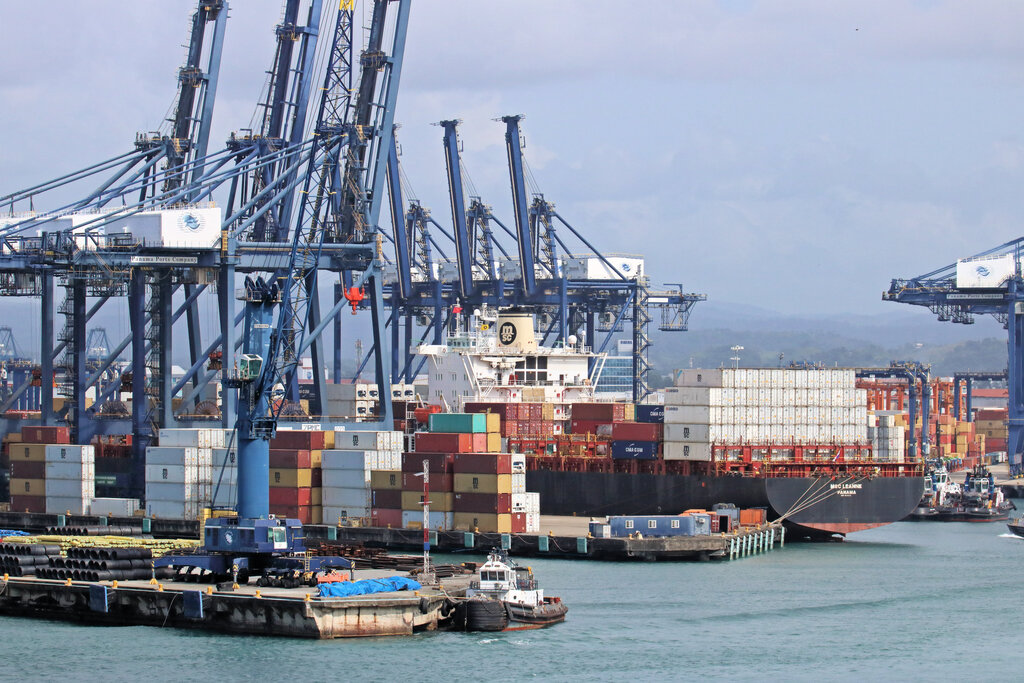
Their key functions include:
- Arranging Transportation: They choose the best route and mode of transport (air, sea, land, or a combination) based on the client's needs for speed and cost.
- Negotiating Rates: Because they handle large volumes of shipments, forwarders can often secure better freight rates than individual shippers could on their own.
- Managing Logistics: They handle all the steps along the way, from booking space on a carrier to arranging for warehousing and final delivery.
The Value in Global Logistics
In a world of interconnected supply chains, speed and reliability are critical. Delays at a port or mistakes in documentation can be incredibly costly. Freight forwarders provide a vital service by streamlining this process. They act as a single point of contact for the shipper, handling the complexities of international trade so the business can focus on its core operations.
By consolidating shipments from multiple clients, forwarders create efficiencies that lower costs for everyone. Their expertise in navigating trade regulations and international markets helps businesses avoid potential pitfalls and ensures goods arrive at their destination on time and in good condition. Without them, global trade would be significantly slower, more expensive, and far more difficult for most companies to access.
Let's review the main ideas before we test your knowledge.
Ready to check your understanding?
Based on the analogy provided, a freight forwarder is to cargo as a travel agent is to what?
What is the primary role of a freight forwarder?