Introduction to Formula 1 Racing
Introduction to Formula 1
The Birth of a Championship
After World War II, the world was ready for a new kind of excitement. Grand Prix motor racing, which had been popular in Europe since the early 1900s, was about to be standardized. In 1946, the Fédération Internationale de l'Automobile (FIA) laid down the rules for a new premier racing category, which they called Formula 1. The "formula" referred to the set of regulations that all participating cars had to meet.
The first official Formula 1 World Championship race took place on May 13, 1950, at Silverstone in the United Kingdom. It was a landmark event, kicking off a season of seven races that would crown the first-ever World Champion. This moment marked the beginning of F1 as we know it, a sport blending high-speed competition with cutting-edge engineering.
Formula 1 (F1) has come a long way since its first World Championship race in 1950.
An Evolution of Speed and Safety
The early decades of F1 were a whirlwind of innovation and danger. Cars evolved rapidly. In the late 1950s, teams shifted from front-engine designs to mid-engine layouts, which drastically improved handling and balance. This was a game-changer, setting the standard for all future F1 cars.
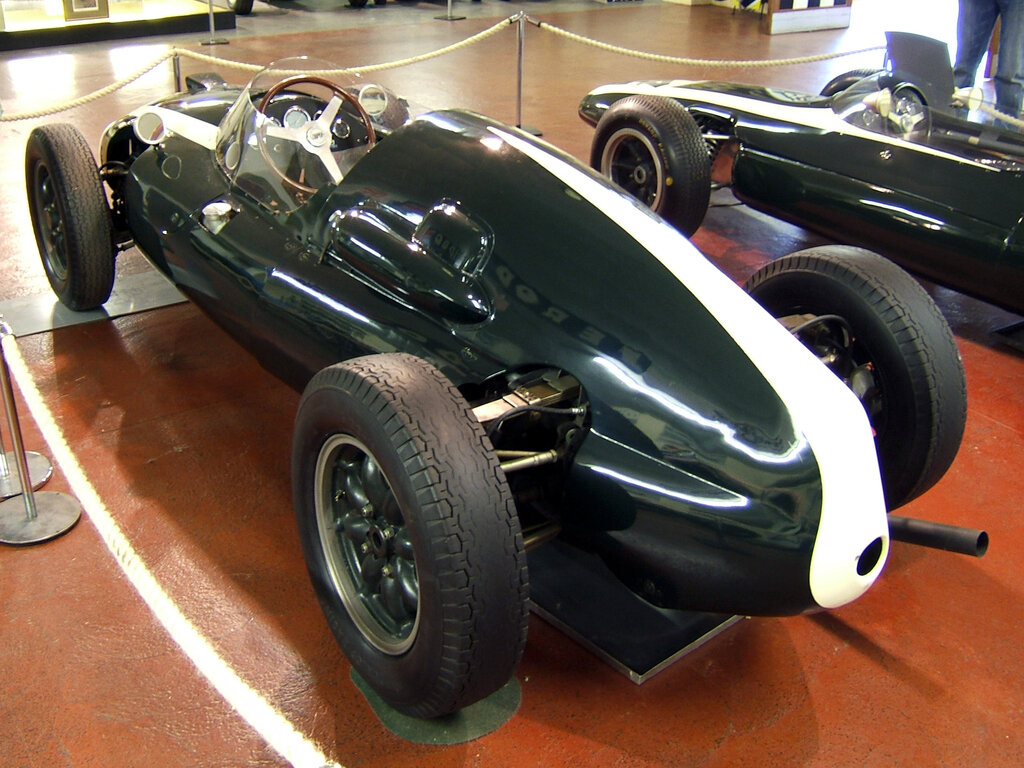
The 1960s saw the introduction of aerodynamics, with teams adding wings to create downforce and help cars stick to the track at incredible speeds. The 1970s and 80s brought more powerful turbo engines and the use of lightweight materials like carbon fiber. Each decade pushed the boundaries of what was possible.
However, this relentless pursuit of speed came at a high cost. Safety was a major concern, and many drivers lost their lives. Over time, the sport underwent a safety revolution. The FIA introduced stricter regulations, improved track design, and mandated life-saving innovations for the cars.
A Global Spectacle
Today, Formula 1 is a global phenomenon. The championship season spans the globe, with races held on every continent except Antarctica. Millions of fans tune in to watch each race, making it one of the most-watched sporting events in the world.
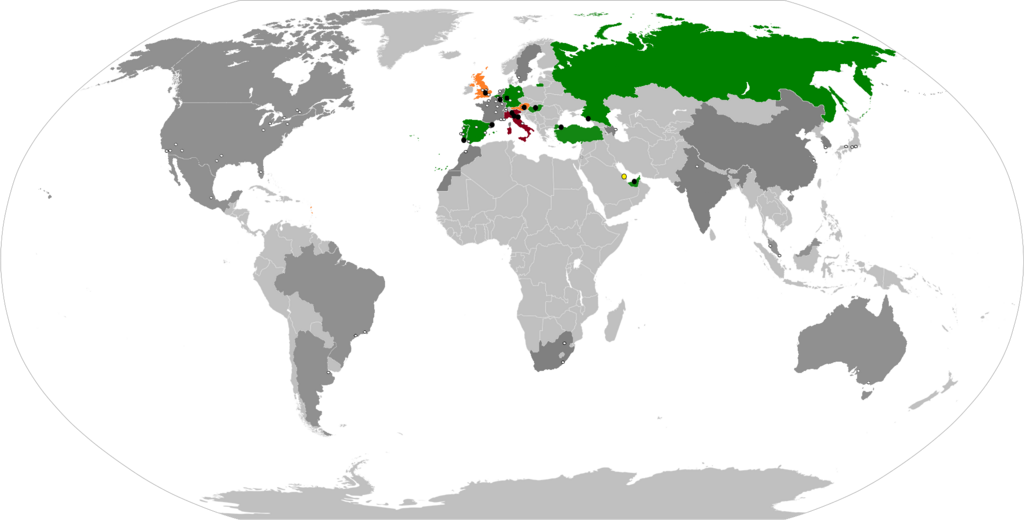
The logistics of moving teams, cars, and equipment from one country to another are immense. It's a traveling circus of technology and talent, involving thousands of people. This global scale is a core part of F1's modern identity.
Every race weekend, Formula 1 stages one of the most complex logistical operations in global sport.
Governing the Grid
Formula 1's complexity requires strong governance. The primary governing body is the Fédération Internationale de l'Automobile (FIA). Founded in 1904, the FIA is the global authority for motorsport. Its role in F1 is to write and enforce the rules.
FIA
noun
The Fédération Internationale de l'Automobile is the governing body for world motor sport and the federation of the world’s leading motoring organizations.
The FIA is responsible for three main sets of regulations:
- Sporting Regulations: These govern how race weekends are run, from practice sessions to the points system.
- Technical Regulations: These define the strict specifications for the cars, including engine size, weight, and safety features.
- Financial Regulations: Introduced more recently, these set a cost cap on how much teams can spend to promote fairness and sustainability.
The FIA works alongside the Formula One Group, which manages the commercial rights of the sport, handling broadcasting deals, sponsorship, and promotion. Together, they steer the ship of this massive global enterprise, ensuring the competition is safe, fair, and exciting.
What does the "formula" in "Formula 1" refer to?
The first official Formula 1 World Championship race was held in 1950 at which iconic circuit?
From its post-war origins to its current status as a worldwide spectacle, Formula 1 has always been about pushing the limits of speed and technology.