Introduction to Formula 1
Introduction to Formula 1
What is Formula 1?
Formula 1, or F1, is the highest class of international single-seater auto racing. Think of it as the Olympics of motorsport. It’s a high-speed chess match where cutting-edge technology, brilliant driving, and razor-sharp team strategy collide. Ten teams, each with two drivers, compete in a series of races around the world to win the World Championship.
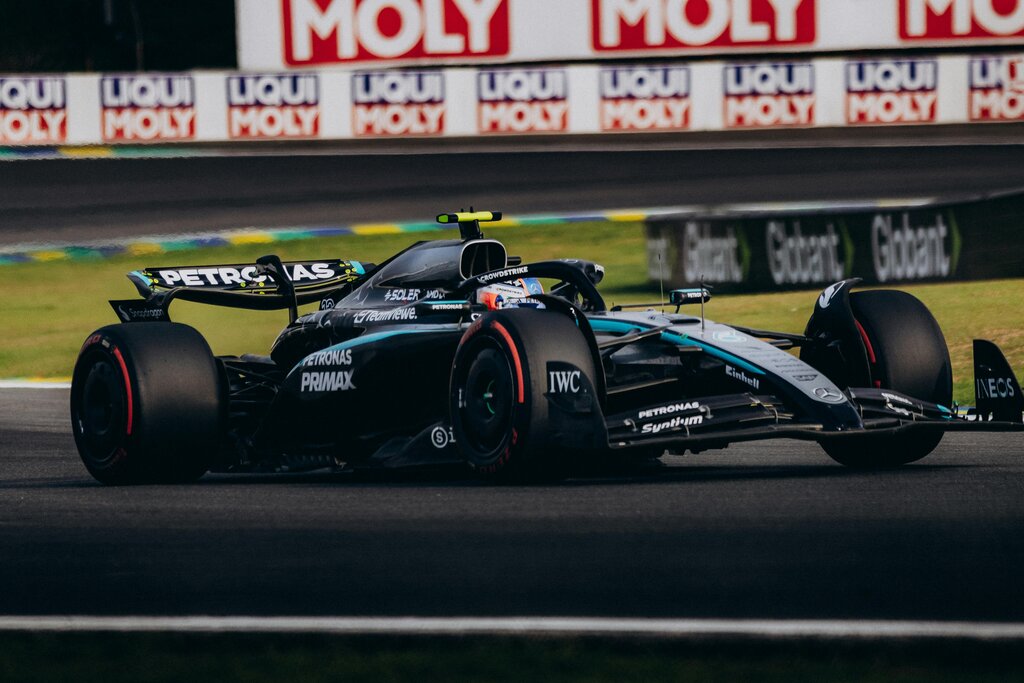
But it's more than just fast cars going in circles. Each car is a custom-built masterpiece of engineering, designed and constructed by its team. The "Formula" in the name refers to the strict set of rules that all participants' cars must meet. These regulations cover everything from engine size to the car's overall dimensions, ensuring a level playing field while still pushing the boundaries of innovation.
Formula 1 (F1) is a pinnacle of motorsport that thrives on innovation and technological advancements.
A Quick Lap Through History
The story of Formula 1 begins in Europe after World War II. The first World Championship race was held at Silverstone in the United Kingdom in 1950. In those early days, the cars were powerful but relatively simple machines. Safety was minimal, and the sport was incredibly dangerous.
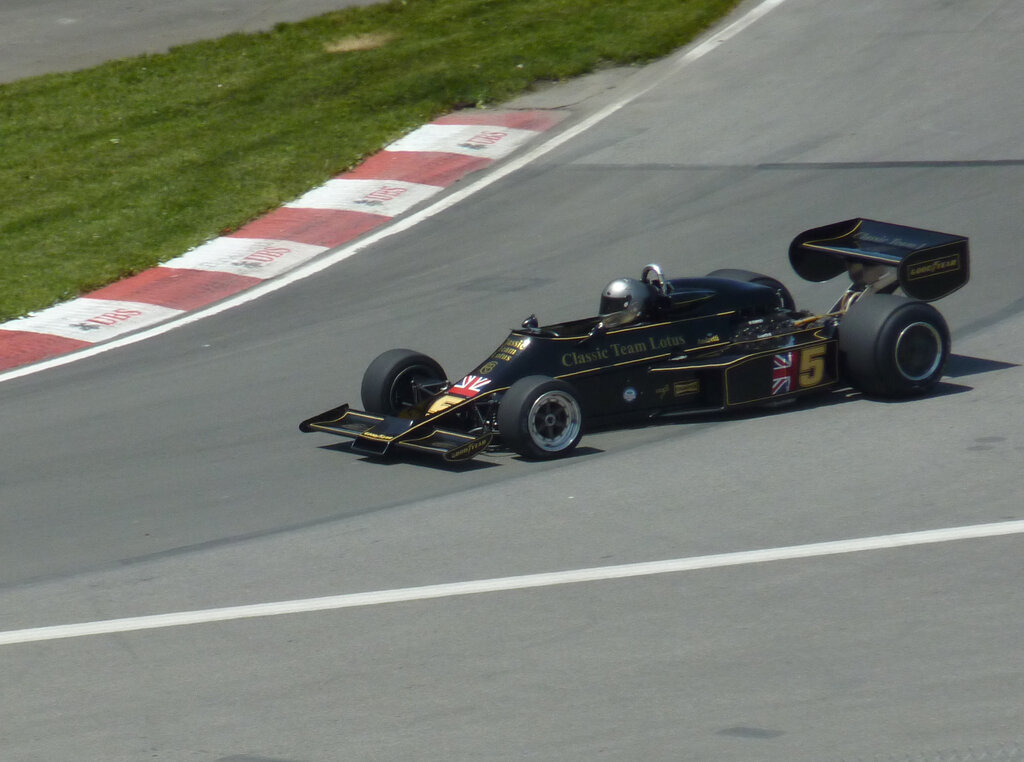
Over the decades, F1 evolved dramatically. The introduction of aerodynamics in the late 1960s changed car design forever, with teams adding wings to push the cars onto the track for better grip. Technology continued to advance with turbochargers, carbon fiber construction, and complex electronics, transforming F1 into the global, high-tech spectacle it is today.
The Race Weekend
A Formula 1 event, called a Grand Prix, spans three days. It's a structured affair designed to build excitement for the main race on Sunday.
| Session | Purpose |
|---|---|
| Practice (Friday) | Teams get three sessions to test their cars on the specific track, tweak setups, and try out different tire compounds. |
| Qualifying (Saturday) | A high-pressure, one-hour session to determine the starting order for the race. The driver with the fastest single lap starts from first place, known as pole position. |
| Grand Prix (Sunday) | The main race. Drivers compete over a set number of laps to score championship points. The first ten finishers earn points. |
Each session is crucial. A good setup in practice can lead to a great qualifying result, and a high starting position on the grid is a massive advantage for the race.
Grand Prix
noun
The name for an F1 race event, French for 'Grand Prize'. Each season is a series of Grands Prix held in different countries.
Key Lingo
Formula 1 has its own language. Understanding a few key terms can help you follow the action.
Chassis
noun
The main frame of the car to which everything else, like the engine and suspension, is attached. In modern F1, it's an incredibly strong and lightweight structure made of carbon fiber composites.
One of the most important concepts is downforce. This is the aerodynamic force that presses the car onto the track. It’s generated primarily by the front and rear wings, which work like upside-down airplane wings. Instead of creating lift, they create negative lift, pushing the car down.
This downforce gives the car incredible grip, allowing it to take corners at speeds that would be impossible for a normal car. At high speeds, an F1 car generates enough downforce to theoretically drive upside down on the ceiling of a tunnel.
What does the "Formula" in Formula 1 refer to?
The primary purpose of aerodynamic downforce on an F1 car is to...
That's a quick introduction to the world of Formula 1. It’s a sport of fine margins, where a thousandth of a second can make all the difference.