Introduction to Forex Trading
Introduction to Forex
What Is the Forex Market?
The foreign exchange market, or Forex (FX), is where currencies are traded. It’s the largest financial market in the world, with trillions of dollars changing hands every day. Its main purpose is to facilitate the exchange of one country's currency for another.
Think about planning a trip from the United States to Japan. You'll need Japanese yen (JPY) to pay for things there, not U.S. dollars (USD). The Forex market is where you, or more likely your bank, would exchange your dollars for yen. This same process happens on a massive scale for international trade, investment, and tourism.
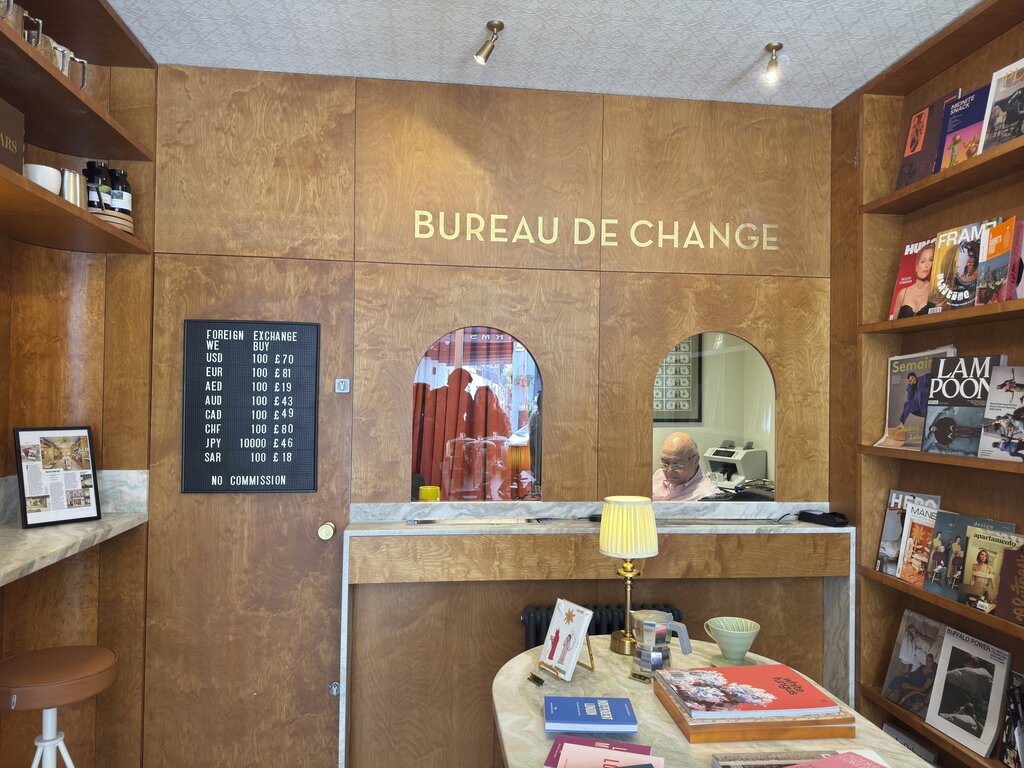
Unlike a stock market, which has a central location like the New York Stock Exchange, the Forex market is decentralized. It’s an “over-the-counter” (OTC) market, meaning trades occur directly between two parties through a global network of banks, corporations, and individuals. It operates 24 hours a day, five days a week, across major financial centers worldwide.
Currency Pairs and Quotes
In Forex, you don't just buy a currency; you simultaneously buy one currency and sell another. This is why currencies are always quoted in pairs.
For example, the most traded currency pair is the Euro against the U.S. Dollar, written as EUR/USD.
Let's break down what that means:
- Base Currency: The first currency in the pair (EUR). It's the one you're buying or selling. The value of the base currency is always 1.
- Quote Currency: The second currency in the pair (USD). This is the currency you use to buy the base currency.
So, if you see a quote for EUR/USD = 1.07, it means that one Euro costs 1.07 U.S. dollars. To buy €1, you would need to sell $1.07.
| Pair | Base Currency | Quote Currency | Meaning of 1.25 Quote |
|---|---|---|---|
| GBP/USD | British Pound | U.S. Dollar | 1 Pound costs 1.25 Dollars |
| USD/JPY | U.S. Dollar | Japanese Yen | 1 Dollar costs 1.25 Yen |
| AUD/CAD | Aussie Dollar | Canadian Dollar | 1 Aussie costs 1.25 Canadian |
The Market's Key Players
The Forex market isn't just one big group of traders. It's a layered system with different participants who have different goals.
The Interbank Market: At the very top are the largest commercial banks in the world. They trade currencies directly with each other and determine the exchange rates that trickle down to everyone else. This is where the vast majority of Forex trading volume happens.
Central Banks: Institutions like the U.S. Federal Reserve or the European Central Bank participate to manage their country's currency reserves, control the money supply, and stabilize their economy.
Corporations: Businesses of all sizes trade currency to conduct international business. An American company buying electronics from China needs to exchange U.S. dollars for Chinese yuan to pay its supplier.
Hedge Funds and Investment Firms: These firms trade currencies to speculate on future price movements and to hedge, or protect, international investments from currency risk.
Retail Traders: This includes individuals trading with their own money, usually through a broker. While the smallest segment, it has grown significantly with the rise of online trading platforms.
Now that you understand the basics of what the Forex market is, how currencies are quoted, and who participates, let's test your knowledge.
What is the primary characteristic that distinguishes the Forex market from traditional stock markets like the New York Stock Exchange?
In the currency pair AUD/JPY, what is the role of the Japanese Yen (JPY)?
Understanding these core concepts is the first step into the world of foreign exchange. It's a global marketplace that connects economies and enables international trade and investment on a massive scale.