Introduction to Food Styling
Introduction to Food Styling
The Art of the Appetizing
Ever wonder why the burger in an ad looks impossibly perfect, or why the ice cream on a billboard never seems to melt? The secret isn't a special kind of food. It's food styling.
Food Styling
noun
The art of arranging food so that it looks fresh, delicious, and appealing for photography, video, or other media.
Think of a food stylist as a director, but for a plate of food. Their job is to make food the star of the show. They choose the perfect plate, arrange every crumb, and make sure the lighting hits just right. It’s a craft that blends culinary knowledge with artistic vision. It’s about telling a story with food, making you feel the crunch of a fresh salad or the warmth of a steaming soup just by looking at a picture.
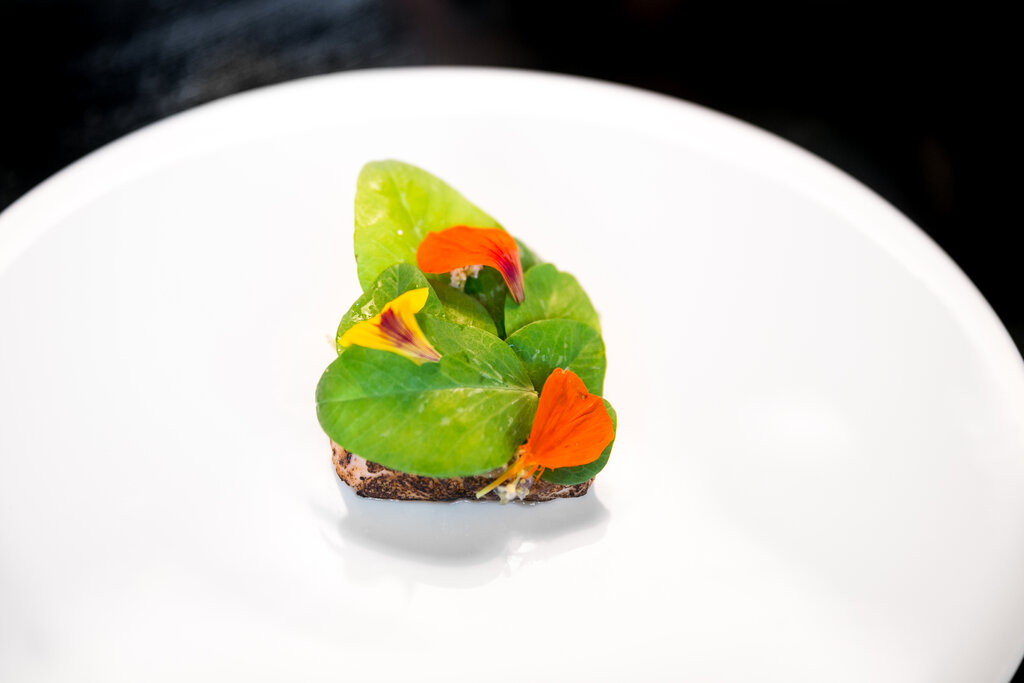
More Than Just Pretty Food
The role of a food stylist goes far beyond simply making food look good. They are problem-solvers. A photoshoot can last for hours under hot lights. A stylist needs to know how to keep herbs from wilting, how to make a drink look ice-cold, and how to create steam that shows up on camera.
Their responsibilities often include:
- Sourcing Ingredients: Finding the most visually perfect produce, the ideal loaf of bread, or the blemish-free piece of fruit.
- Preparing the Food: Cooking the food, but often in a way that prioritizes appearance over taste. A chicken might be undercooked to keep it looking plump, or a steak might be seared with a blowtorch for perfect grill marks.
- Composition: Arranging the food, props, and background to create a balanced and compelling image. This involves working closely with a photographer to get the shot just right.
The Culinary Institute of America introduced electives in food photography and food styling to make sure its graduates are prepped for the Instagram age of dish and restaurant marketing.
In media and marketing, food styling is everything. It's the reason a new cereal looks so crunchy in a commercial or why a picture in a cookbook makes you want to start cooking immediately. A great photo can make a new restaurant's menu go viral or convince someone to try a new product. It’s a powerful tool for shaping our perceptions and desires around food.
First Principles of Appeal
While advanced styling has many tricks, the foundation rests on a few key principles of visual appeal. These are the building blocks for making any dish look delicious.
| Principle | Description |
|---|---|
| Color | Bright, contrasting colors suggest freshness and flavor. Think of red strawberries against white cream. |
| Texture | A mix of textures, like smooth and rough or soft and crunchy, adds visual interest and depth. |
| Shape & Form | Varying the shapes and sizes of elements on the plate creates a more dynamic and engaging composition. |
| Arrangement | The placement of food is crucial. Odd numbers are often more appealing, and creating height can make a dish look more impressive. |
These principles work together to guide the viewer's eye and create a sense of harmony and excitement. A stylist doesn't just place food on a plate; they compose a picture. They think about balance, focal points, and how to create a visual path for the eye to follow.
The goal isn't just to show food, but to evoke a feeling. A rustic, messy plate of pasta tells a different story than a clean, precise arrangement of sushi.
Understanding these fundamentals is the first step toward seeing food not just as something to eat, but as a medium for artistic expression. Now, let's review what we've covered.
Ready to test your knowledge?
What is the primary role of a food stylist?
Why might a food stylist use undercooked chicken in a photoshoot?
Great job. Now that you understand the what and why of food styling, we can move on to the how.