Introduction to Financial Trading
Introduction to Financial Markets
What Are Financial Markets?
A financial market is a place where people and organizations trade financial assets like stocks, bonds, and currencies. Think of it like a farmers' market, but instead of trading apples for cash, participants trade ownership in a company or a loan to a government.
These markets serve a few crucial functions that keep the economy running smoothly.
Their primary job is to connect those with extra money (savers and investors) to those who need money to do things like grow a business or build a bridge (borrowers).
This process is called capital allocation. It directs money to where it can be used most productively, fueling innovation and economic growth. Without this, great ideas might never get the funding to become reality.
Financial markets also provide price discovery. The constant buying and selling establishes a fair price for an asset based on supply and demand. If more people want to buy a stock than sell it, its price goes up. This gives us a real-time gauge of a company's perceived value.
Finally, markets create liquidity. This means you can easily buy or sell an asset without dramatically affecting its price. Imagine trying to sell a house in an hour. It’s nearly impossible without dropping the price significantly. In a liquid market, like the stock market, you can sell a share of a major company in seconds.
The Main Arenas
Financial markets aren't one single entity. They are a collection of different markets, each specializing in a particular type of asset. Let's look at the four main types.
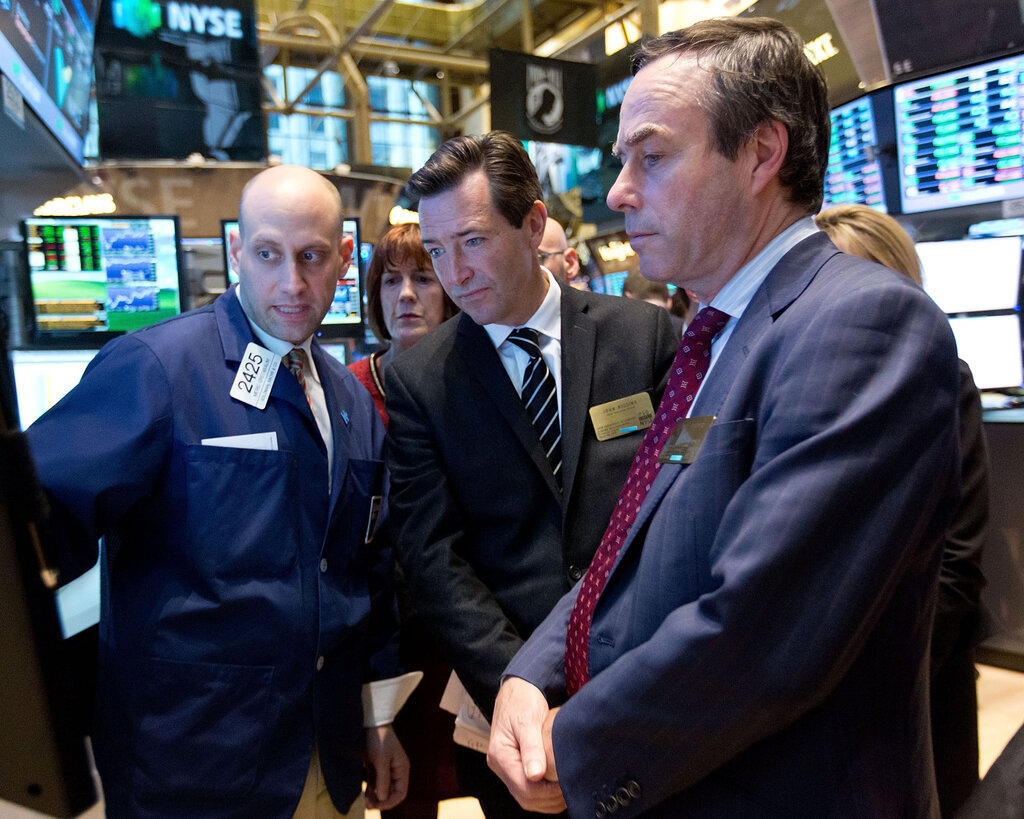
The stock market is where shares of ownership in public companies are bought and sold. When you buy a stock, you become a part-owner of that business.
This is where famous exchanges like the New York Stock Exchange (NYSE) and Nasdaq operate. Companies sell stock to raise money for expansion, research, or other projects. Investors buy stock hoping the company will succeed and the value of their share will increase.
Next is the bond market. A bond is essentially a loan. When you buy a bond, you are lending money to an entity, usually a corporation or a government. In return, they promise to pay you back the full amount on a specific date, along with periodic interest payments along the way.
Bonds are often considered safer than stocks because you know exactly what your return will be if you hold the bond to maturity. Governments issue bonds to fund public projects like schools and highways, while companies use them to finance operations.
The commodity market deals in raw materials and agricultural products. Think of things like gold, oil, wheat, and coffee.
This market is vital for producers and consumers of these goods. For example, a coffee company might buy coffee on the commodity market to lock in a price, protecting itself from future price swings. It helps stabilize the supply chain for everyday goods.
Finally, the foreign exchange (Forex) market is where currencies are traded. This is the largest and most liquid market in the world. Its activity affects everything from the price of imported goods to the value of international investments. If a European company wants to buy goods from the United States, it must first exchange its euros for dollars on the Forex market.
Who's in the Game?
Financial markets are a diverse ecosystem of different players, each with a specific role.
| Participant | Role in the Market |
|---|---|
| Individuals | Often called retail investors, they invest for personal goals like retirement or saving for a home. |
| Corporations | Raise capital by issuing stocks and bonds, and also invest their own cash. |
| Governments | Borrow money by issuing bonds to fund public services and infrastructure. |
| Central Banks | Manage the nation's money supply and interest rates. In the U.S., this is the Federal Reserve. |
| Institutional Investors | Large organizations like pension funds, insurance companies, and mutual funds that invest on behalf of others. |
These participants, along with financial intermediaries like banks and brokers, all interact to create the dynamic, constantly shifting landscape of the global financial markets. Together, their actions determine the flow of capital around the world.
Ready to test your knowledge? Let's see what you've learned about the foundations of financial markets.
Which function of financial markets involves directing money to where it can be used most productively, fueling innovation and economic growth?
A large coffee chain purchases a contract to buy a huge amount of coffee beans at a set price in three months. Which financial market is it most likely operating in?
Understanding these core concepts is the first step in making sense of the financial world. Each market plays a unique role, but they all work together to power the global economy.