Introduction to Filmmaking
Introduction to Film
What is Film?
At its core, a film is a series of still images that, when shown rapidly in sequence, create the illusion of motion. But it's much more than a technical trick. Film is a powerful art form, a medium for storytelling, and a window into different worlds. It combines visuals, sound, and narrative to evoke emotions, share ideas, and entertain.
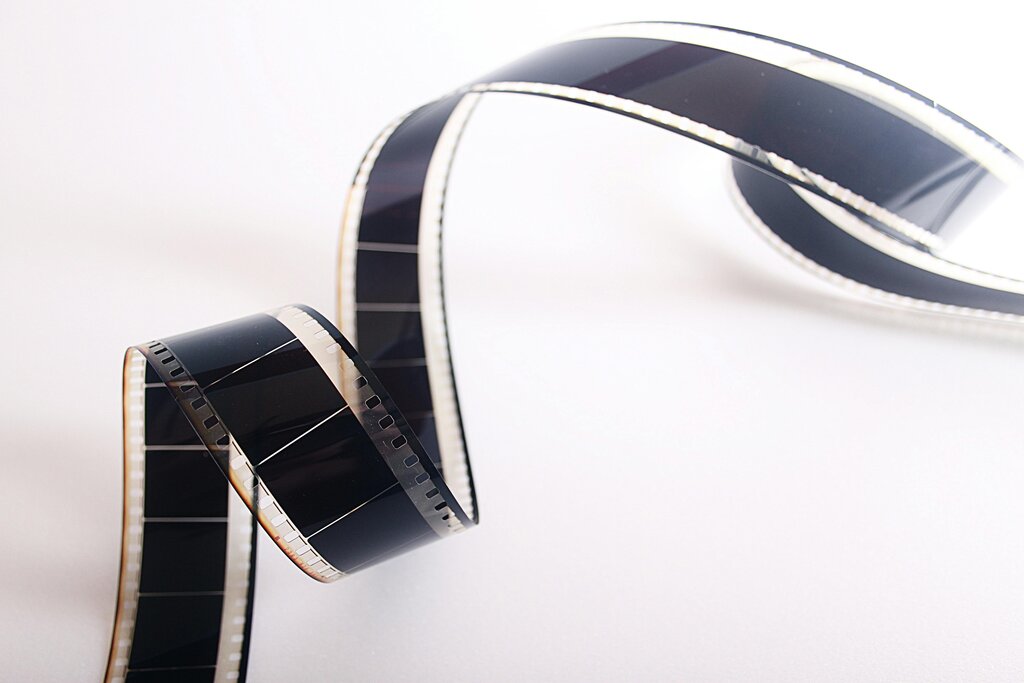
Think of film as a language. Just like written language uses words and grammar, film uses images and sounds to communicate. It can tell a simple joke or explore complex philosophical questions. This versatility is what makes it one of the most significant cultural forces of the last century.
Films are mirrors reflecting our own world, but they are also maps to worlds we can only imagine.
The Core Ingredients
Every film, from a blockbuster action movie to a quiet indie drama, is built from the same fundamental components. Understanding these three basic elements is the first step to analyzing and appreciating the craft of filmmaking.
Narrative
noun
The story or plot of the film. It's the structure that guides the audience through a sequence of events, involving characters, conflict, and resolution.
The narrative is the what of the story. It’s the journey the characters take and the challenges they face. It's what keeps us asking, "What happens next?"
Cinematography
noun
The art and craft of capturing images for a film. This includes everything from camera angles and movement to lighting and color composition.
Cinematography is the how we see the story. The way a scene is shot dramatically affects our interpretation and emotional response. A close-up on a character's face creates intimacy, while a wide shot of a city can create a sense of scale or isolation.
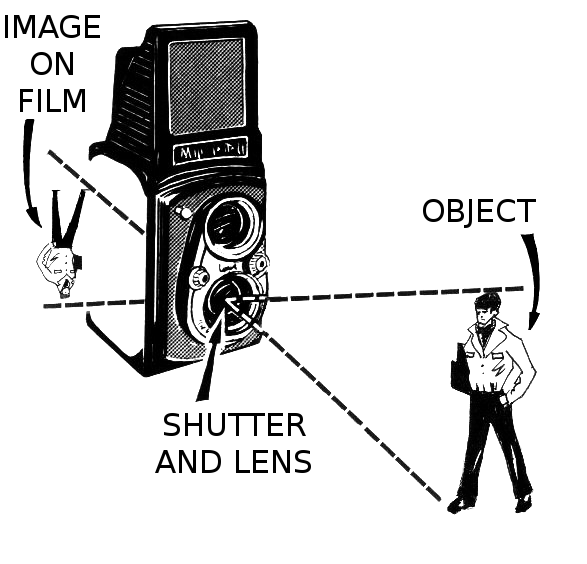
Finally, we have the auditory elements, which are just as crucial as the visuals.
Sound Design
noun
The art of creating the entire soundscape of a film. This includes dialogue, sound effects, and the musical score.
Sound is the how we hear the story. Dialogue moves the plot forward, sound effects make the world feel real, and music guides our emotions, building tension or creating a sense of wonder. A scene can be completely transformed by changing its musical score.
More Than Just a Movie
Films are not created in a vacuum. They are products of their time, reflecting the culture, values, and anxieties of the society that produced them. A sci-fi movie from the 1950s might reveal anxieties about the Cold War and nuclear power, while a comedy from today might explore our relationship with social media.
However, what is undeniable is the importance of this type of film as a form of art, which serves to inform, educate, entertain, presenting the unknown and sometimes the unimaginable, adding culture, knowledge and showing different points of view about certain subjects.
Because of this, film acts as a cultural artifact. It can preserve a moment in time, capturing the fashion, language, and attitudes of an era. It also has the power to shape culture, influencing everything from hairstyles to political discourse. Films can introduce new ideas to a mass audience, challenge perceptions, and inspire social change.
Let's test what you've learned about the basics of film.
Which of the following best describes the fundamental principle that creates the illusion of motion in film?
In film analysis, what element is considered the 'what' of the story, focusing on the characters' journey and the events that unfold?
By understanding film's basic components and its role in society, we can begin to watch movies not just as passive entertainment, but as rich, complex works of art and culture.