Introduction to Fashion Design
Fashion Design Fundamentals
The Language of Clothes
Fashion design is more than just making clothes. It's a form of applied art, a way of communicating ideas and expressing identity without words. A designer's work combines aesthetics with function, creating garments that are not only beautiful but also wearable and relevant to the world we live in.
At its core, fashion design is about problem-solving. How can a garment flatter a certain body type? What materials will work best for a specific climate or occasion? How can clothing reflect a cultural moment or a personal story? A designer answers these questions through their creations, blending creativity with practical skill.
Every garment you wear started as an idea. The fashion designer's job is to translate that idea into a physical object.
Core Design Principles
To bring their ideas to life, designers rely on a set of fundamental principles. These are the building blocks of any successful garment or collection.
- Silhouette: This is the overall shape or outline of a garment. Is it form-fitting and sleek, or loose and voluminous? The silhouette creates the first impression and sets the tone for the entire look.
- Color: Color is a powerful tool for evoking emotion. Designers use color theory to create harmony, contrast, and mood. A collection might use a bold, vibrant palette to feel energetic, or muted, earthy tones to feel calm and sophisticated.
- Texture: Texture refers to the surface quality of a fabric. Is it smooth like silk, rough like tweed, or soft like cashmere? Texture adds depth and interest, affecting how a garment looks and feels against the skin.
- Proportion: This is the relationship between the different parts of an outfit. Designers play with proportion to create balance and highlight certain features. For example, a cropped jacket worn with high-waisted pants can make the legs appear longer.
Silhouette
noun
The outline or overall shape of a garment or outfit.
These principles don't exist in isolation. A great designer knows how to combine them to create a cohesive and compelling vision. They think about how the rough texture of a wool coat contrasts with the smooth silhouette of a silk dress, or how a pop of bright color can draw attention to a specific part of the design.
The Design Process
Creating a fashion collection is a journey with several distinct stages. While every designer's process is unique, it generally follows a consistent path from initial concept to finished product.
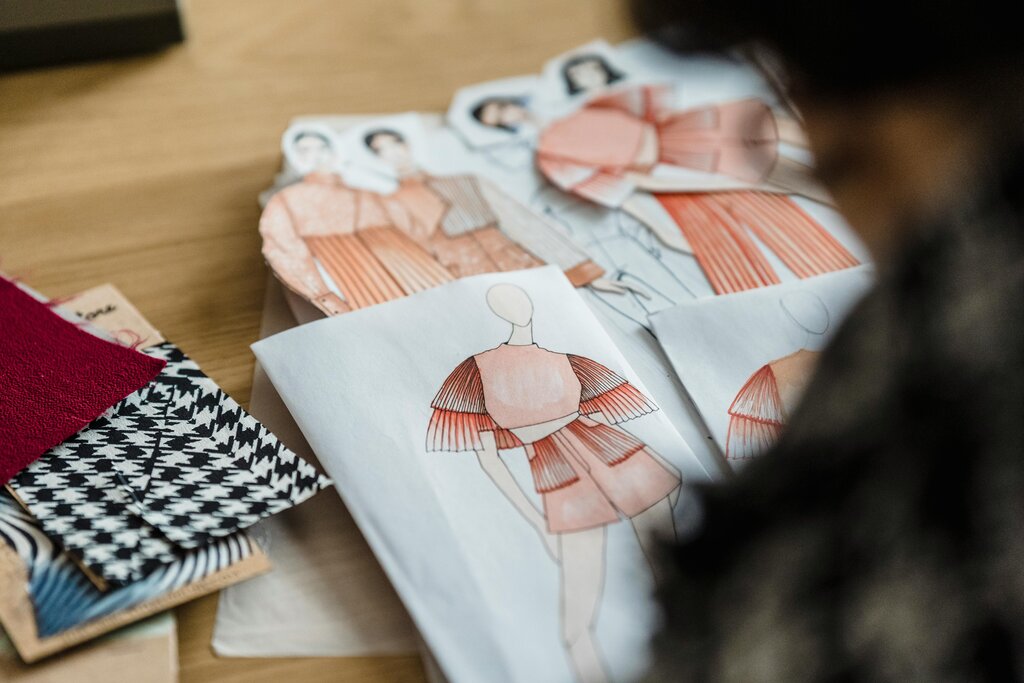
The process begins with research. Designers gather inspiration from everywhere: art, history, nature, technology, street style. This leads to the creation of a mood board, a collage of images, textures, and colors that captures the feeling of the collection.
Next comes ideation and sketching, where the designer translates their inspiration into concrete ideas. They draw dozens or even hundreds of sketches, exploring different silhouettes and details.
With the designs taking shape, the focus shifts to fabric and material sourcing. The right fabric is crucial. It affects the garment's drape, structure, and feel. Designers visit fabric mills and suppliers to find materials that match their vision.
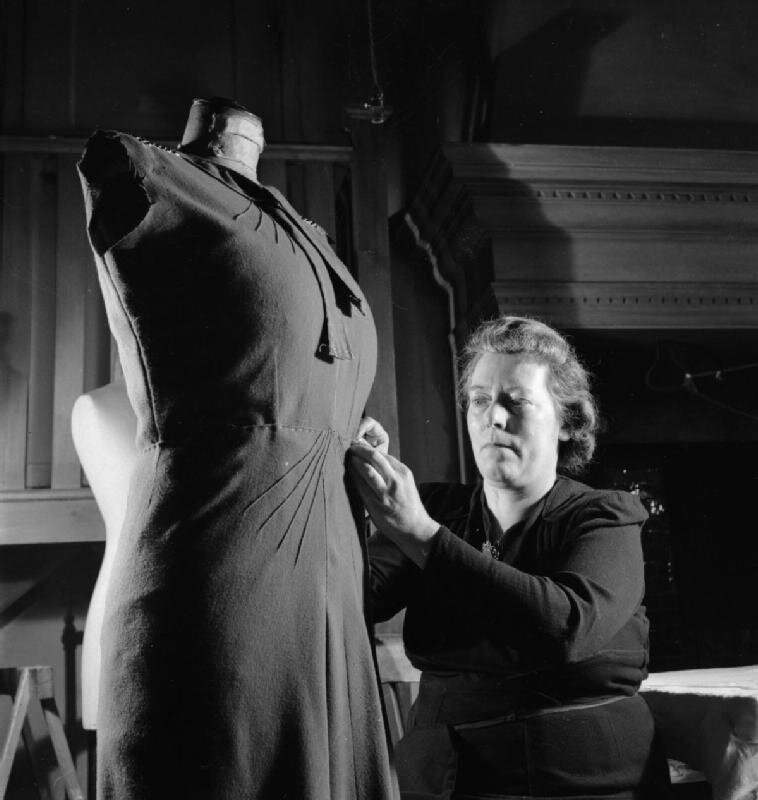
A prototype, often called a muslin or toile, is then created. This is a test version of the garment made from inexpensive fabric. It allows the designer to see the design in 3D, check the fit on a model or dress form, and make any necessary adjustments before cutting into expensive final fabrics.
After refining the prototypes, the designer creates the final samples that form the collection. This is the polished set of garments that will be presented to buyers, the press, and the public.
A fashion designer is a visionary, a manager, and a technician all in one. They must be creative enough to generate original ideas, organized enough to manage a complex production schedule, and knowledgeable enough to understand how garments are constructed. They predict trends, understand their customer, and tell a compelling story through the medium of clothing.
What is the primary function of a muslin or 'toile' in the fashion design process?
A designer pairs a cropped jacket with high-waisted pants to create the illusion of longer legs. Which design principle is most directly being manipulated?