Introduction to Exchange-Traded Funds
Introduction to ETFs
What Are ETFs?
An Exchange-Traded Fund, or ETF, is a type of investment that holds a collection of assets, like stocks or bonds. Think of it like a shopping basket. Instead of buying just one apple (a single stock), you can buy a basket that already contains apples, oranges, and bananas. This basket is the ETF, and you can buy or sell the whole thing in one go.
Exchange-Traded Fund
noun
A type of security that tracks an index, sector, commodity, or other asset, but which can be purchased or sold on a stock exchange the same as a regular stock.
The main purpose of an ETF is to provide instant diversification. If you buy stock in just one company, your investment's success is tied completely to that single company's performance. But if you buy an ETF that holds stocks from 100 different companies, your risk is spread out. If one company does poorly, the others might do well, balancing things out.
How They Trade
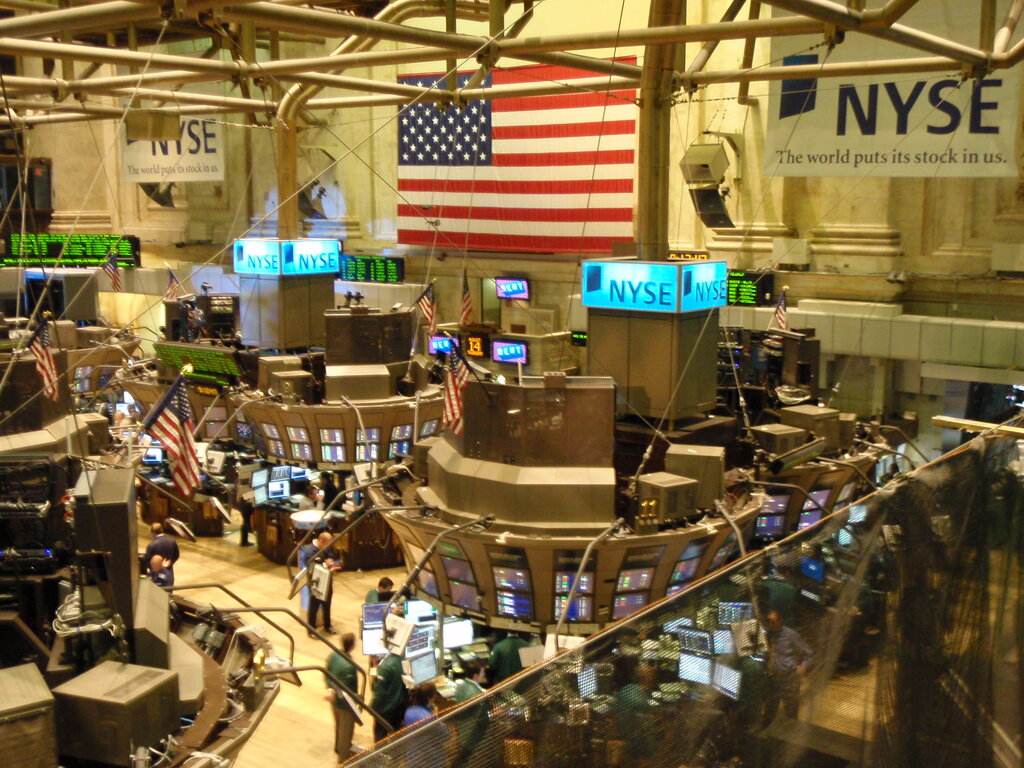
The "exchange-traded" part of the name is key. It means ETFs are bought and sold on stock exchanges, just like individual stocks. This happens throughout the trading day, and their prices can change from moment to moment based on supply and demand.
This makes them different from mutual funds, which are another popular way to buy a basket of investments. A mutual fund's price is only calculated once per day, after the market closes. With an ETF, you can see its price fluctuate and decide to buy or sell at any point during market hours.
| Feature | Individual Stock | Mutual Fund | ETF |
|---|---|---|---|
| What You Own | A share in one company | A mix of many investments | A mix of many investments |
| How It's Traded | On a stock exchange | Directly from the fund | On a stock exchange |
| Pricing | Constantly during the day | Once per day, at close | Constantly during the day |
| Diversification | None | High | High |
The Structure of an ETF
Most ETFs are designed to track a specific index. An index is just a list of investments that represents a part of the market. For example, the S&P 500 is an index of 500 of the largest companies in the U.S. An S&P 500 ETF would aim to hold all 500 of those stocks in the same proportions as the index.
But ETFs aren't just for broad market indexes. There are ETFs that track specific industries like technology or healthcare, commodities like gold, or different types of bonds. This variety gives investors a simple way to invest in areas that interest them without having to pick individual winners.
The primary appeal of ETFs is that they offer a simple, one-stop way to diversify your holdings and reduce risk.
Because most ETFs passively track an index rather than having a manager actively picking investments, they often have lower management fees than many mutual funds. This cost-effectiveness is another major reason they've become so popular with investors.
What is the primary advantage of investing in an ETF compared to buying a single company's stock?
When can you buy or sell an ETF?
Now you know the basics of what an ETF is, how it trades, and why an investor might choose one.