Introduction to Ethics
Introduction to Ethics
What is Ethics?
At its core, ethics is the study of what it means to do the right thing. It's a branch of philosophy that tries to answer a fundamental question: How should we live? This isn't just about following rules. It's about systematically thinking through our actions and their consequences on ourselves and others.
ethics
noun
The branch of philosophy that involves systematizing, defending, and recommending concepts of right and wrong conduct.
People often use the words “ethics” and “morality” interchangeably, but philosophers draw a useful distinction. Think of morality as the set of personal or social beliefs about what is right and wrong. It’s the rulebook you follow.
Ethics, on the other hand, is the study of that rulebook. It asks questions like: Where do these rules come from? Are they consistent? Are they good rules? So, while your morality might tell you that lying is wrong, ethics is the process of examining why lying is wrong.
Morality is the set of beliefs and principles. Ethics is the philosophical study of those beliefs and principles.
Why We Need Ethical Reasoning
We make dozens of moral judgments every day, often without much thought. Ethical reasoning is the process of slowing down and thinking critically about these judgments. It forces us to move beyond gut feelings or simple obedience to authority and examine the principles behind our choices.
This process involves clarifying concepts, evaluating arguments, and considering different perspectives. The goal isn't necessarily to find one single "right" answer, as many ethical problems are complex. Instead, the goal is to make decisions that are conscious, consistent, and can be justified to others.
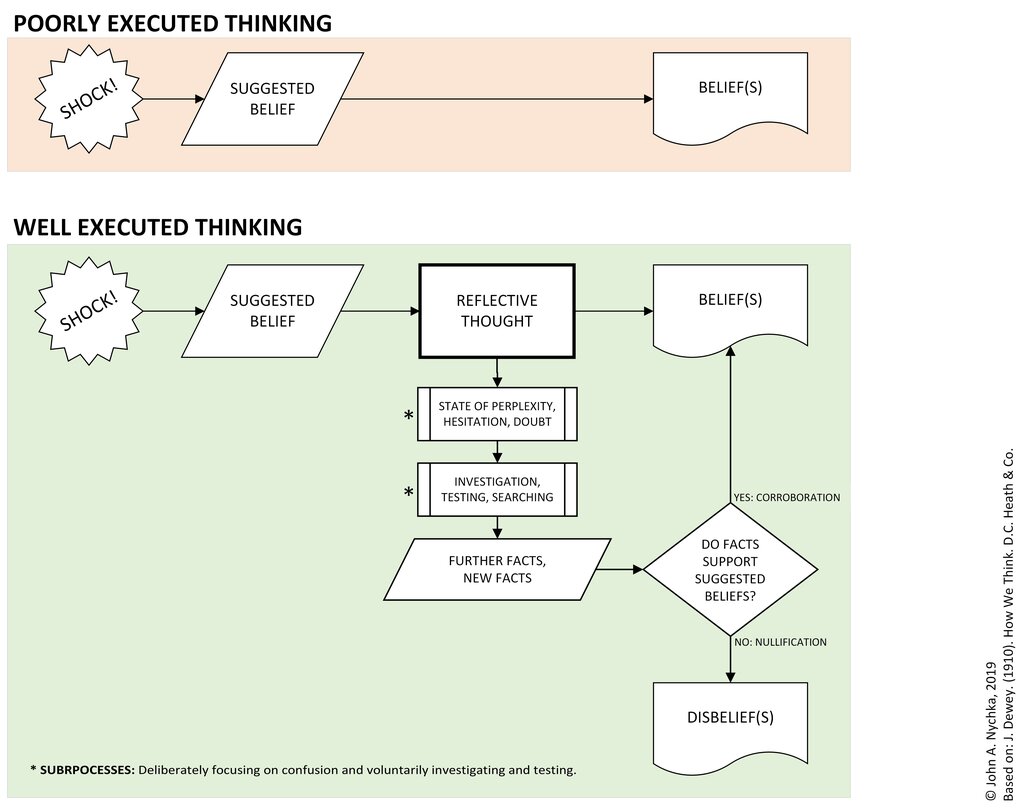
When we reason ethically, we build a foundation for our actions. It helps us navigate disagreements, understand the values of others, and live a more examined life. It's the difference between simply having an opinion and having a well-supported position.
A Brief History of a Big Idea
The formal study of ethics in the Western world began with the ancient Greeks. Philosophers like Socrates, Plato, and Aristotle were among the first to systematically question the nature of virtue, justice, and the good life. Socrates famously argued that "the unexamined life is not worth living," placing critical self-reflection at the heart of a meaningful existence.
Their ideas laid the groundwork for thousands of years of ethical thought. Later, during the Enlightenment, thinkers like Immanuel Kant and John Stuart Mill developed influential ethical frameworks that focused on duty, rights, and consequences. These systems, which we'll explore later, continue to shape how we think about right and wrong today.
Now, let's test your understanding of these foundational concepts.
Which statement best distinguishes between ethics and morality?
According to the text, what is the primary goal of engaging in ethical reasoning?
With this foundation in place, we can begin to explore the major ethical theories that philosophers have developed over the centuries.