Introduction to Ethereum
Ethereum Basics
Beyond Digital Money
Bitcoin showed the world that a secure, digital currency could exist without a central bank. It was a revolutionary idea, focused on one specific task: peer-to-peer electronic cash. But what if that underlying technology, the blockchain, could do more? This question was the starting point for Ethereum.
Think of it like this: Bitcoin is a calculator, designed to do one thing very well. Ethereum is like a smartphone. You don't just use a smartphone to make calls; you use it to run countless applications built by developers from all over the world. Ethereum was designed to be a similar kind of platform, but for decentralized applications that run on a global blockchain.
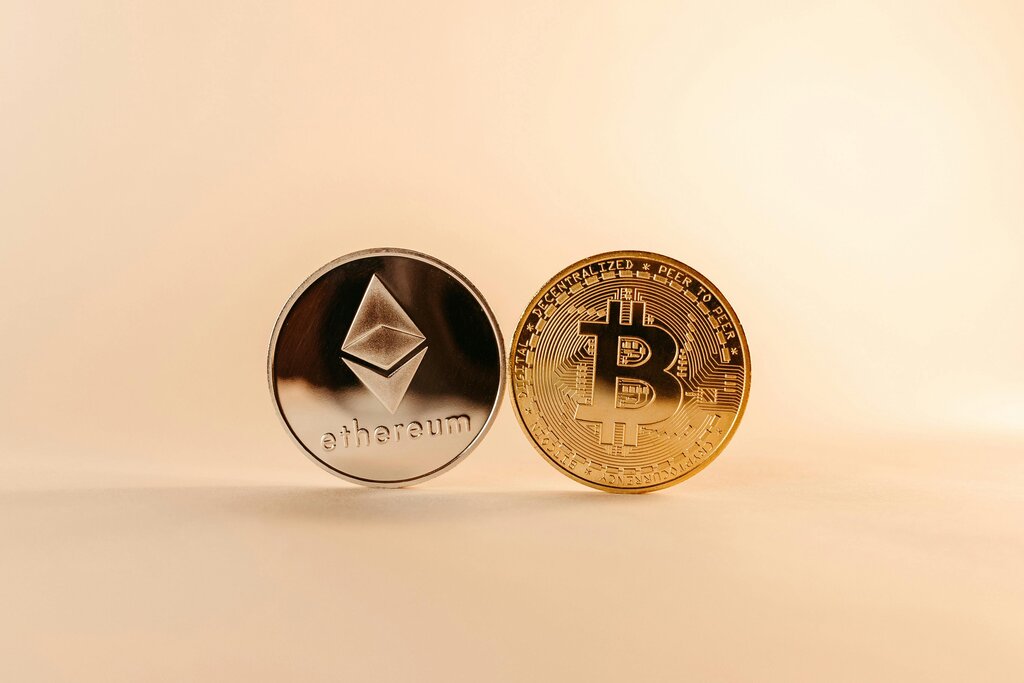
Instead of just tracking transactions of a digital currency, Ethereum's blockchain can run code. This makes it a flexible, programmable foundation for building new kinds of services that aren't controlled by any single company.
A Brief History
In 2013, a young programmer named Vitalik Buterin saw the potential to build a more powerful blockchain. He believed that the technology behind Bitcoin could be generalized to secure and run any kind of application. He published his ideas in a white paper, outlining a new platform called Ethereum.

The project gained traction quickly. In 2014, the development was funded through an online crowdsale, and on July 30, 2015, the first live version of the Ethereum network, known as Frontier, was launched. This marked the birth of a new kind of internet infrastructure: a single, shared computer that the whole world could use.
Ethereum's goal was simple but huge: create a global, shared computer that couldn't be shut down or controlled by any single entity.
Fuel for the Network
Every computer network needs resources to run. For Ethereum, that resource is powered by its own native cryptocurrency called Ether, or ETH. It's the lifeblood of the network.
Ether
noun
The native cryptocurrency of the Ethereum network, used to pay for computational services and transaction fees.
While ETH can be used as a digital currency like Bitcoin, its primary purpose within the network is to serve as fuel. Every action on Ethereum, whether it's sending money or using an application, requires a small fee paid in ETH. This fee, known as "gas," compensates the network participants who contribute their computing power to process and validate transactions. This system prevents spam on the network and allocates resources to those who are willing to pay for them.
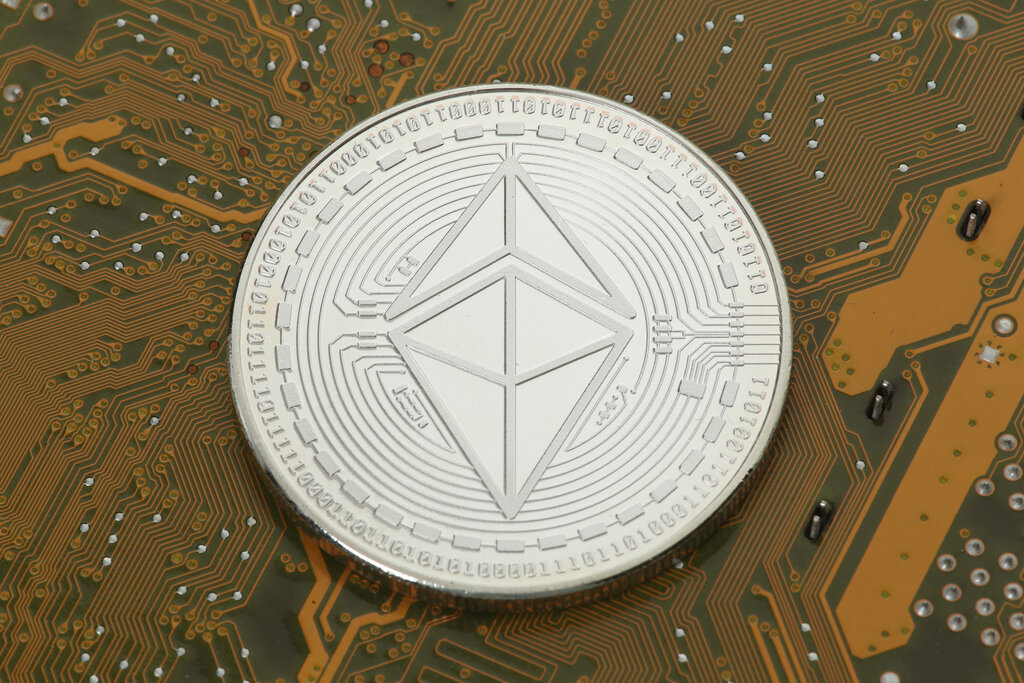
This makes Ethereum different from many other blockchains. While other projects might focus solely on creating a better digital money, Ethereum's focus is on building a robust platform for decentralized computation. ETH is the utility token that makes it all work.
Now that you've learned the basics, let's test your knowledge.
According to the common analogy presented, if Bitcoin is like a specialized calculator, what is Ethereum comparable to?
What is the primary purpose of Ether (ETH) within the Ethereum network?
Ethereum opened up a new world of possibilities for what a blockchain could do. By creating a flexible, programmable platform, it laid the groundwork for a more decentralized internet.