Introduction to ESG
Introduction to ESG
What is ESG?
ESG stands for Environmental, Social, and Governance. It’s a set of standards used to measure a company's impact on the world beyond its financial performance. Think of it as a report card for a company's conscience and its ability to operate sustainably for the long haul.
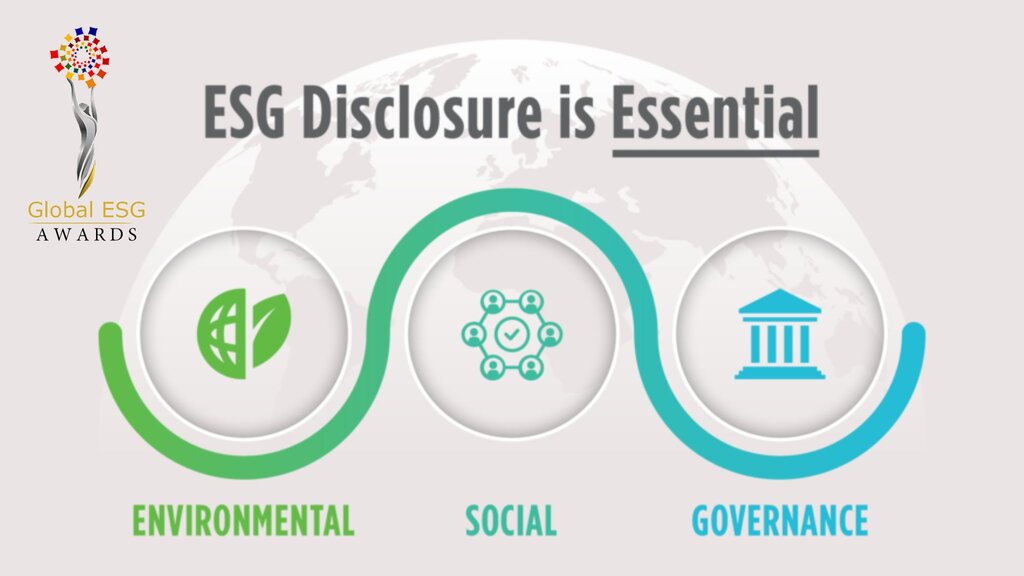
For a long time, the primary way to judge a company's success was by looking at its profits. How much money did it make? What were its sales figures? While these numbers are still crucial, they don't tell the whole story. ESG criteria provide a wider lens to assess a company’s health and future prospects.
Investors, customers, and employees increasingly want to know if a company is a good corporate citizen. Is it polluting the planet? Does it treat its workers fairly? Is its leadership transparent and accountable? ESG helps answer these questions.
ESG provides a framework for looking at a company’s risks and opportunities in three key areas: how it impacts the environment, how it manages relationships, and how it is led and managed.
A Quick History
The idea of investing with your values isn't new. For decades, some investors avoided companies involved in industries like tobacco or weapons, a practice known as socially responsible investing (SRI).
However, the term "ESG" was first coined in 2005 in a landmark study called "Who Cares Wins." This report argued that companies that performed well on environmental, social, and governance issues could also deliver better financial returns. This shifted the conversation from simply avoiding "bad" companies to actively seeking out "good" ones.
What started as a niche concept has now become a major force in the business world. Companies are now expected to report on their ESG performance, and investors use this data to make informed decisions.
With growing scrutiny from regulators, investors, and communities, proactive ESG performance is now a business imperative.
Breaking Down the Pillars
Let's look at each component of ESG more closely. Each pillar covers a distinct set of issues that can affect a company's performance.
| Pillar | What it Covers |
|---|---|
| Environmental | A company's impact on the natural world. This includes its energy use, waste management, pollution, natural resource conservation, and treatment of animals. It also looks at the risks and opportunities a company faces due to climate change. |
| Social | How a company manages relationships with its employees, suppliers, customers, and the communities where it operates. Key issues include labor standards, diversity and inclusion, data privacy, and customer satisfaction. |
| Governance | The systems and processes a company has in place to manage itself, make effective decisions, and comply with the law. This covers topics like board composition, executive pay, internal controls, and shareholder rights. |
The Environmental pillar is often the first thing people think of when they hear ESG. It's all about a company's stewardship of our planet. A company with a strong environmental record might invest in renewable energy or work to reduce its carbon footprint.
carbon footprint
noun
The total amount of greenhouse gases (including carbon dioxide and methane) that are generated by our actions.
The Social pillar focuses on people. It examines how a company impacts its stakeholders, from the factory floor to the customer service desk. A positive social score might reflect a company's commitment to workplace safety, ethical supply chains, and community engagement.
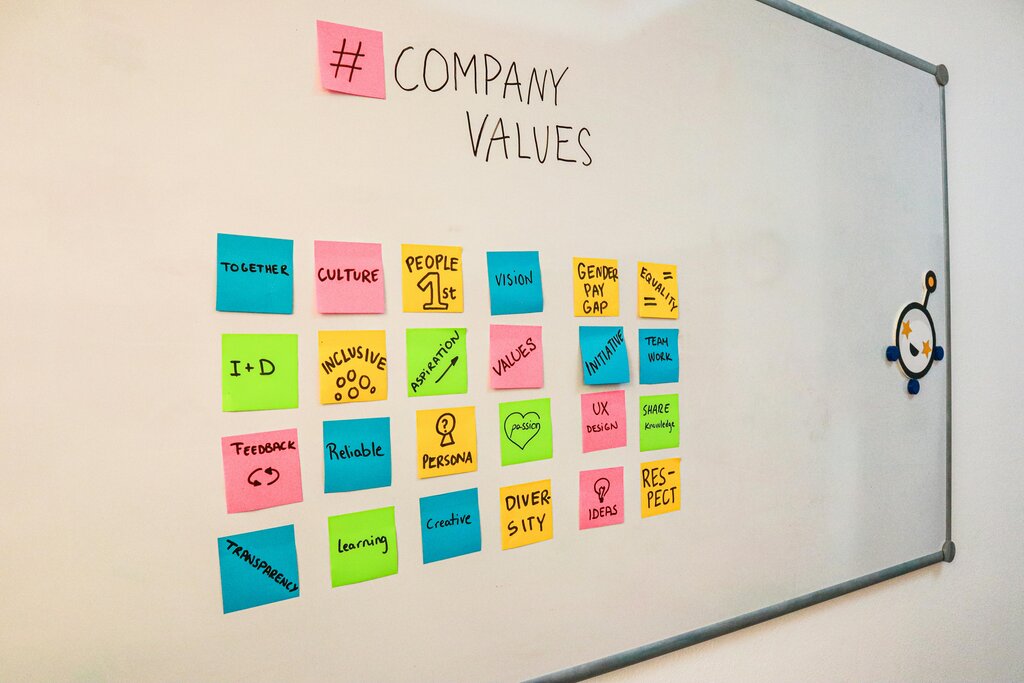
Finally, the Governance pillar is about leadership and accountability. It's the 'G' that holds the 'E' and 'S' together. Strong governance ensures that a company is run ethically and transparently, with a clear separation of powers between management and the board of directors. This builds trust with investors and helps prevent scandals.
Ready to check your understanding?
What is the primary purpose of ESG criteria?
Which ESG pillar is most concerned with a company's leadership, transparency, and internal controls?
By considering environmental, social, and governance factors, we get a more complete picture of a company's performance and its potential for long-term success.