Introduction to English Language
Introduction to English Sounds
The Building Blocks of Sound
Every word in English is built from small units of sound called phonemes. Think of them like Lego bricks for language. If you can master these individual sounds, you'll have the foundation for clear, confident pronunciation. It all starts with understanding the two main categories: vowels and consonants.
Vowel Sounds
A vowel sound is made when your breath flows out of your mouth without being blocked. Your tongue and lips shape the sound, but they don't stop the air. The English alphabet has only five vowel letters (a, e, i, o, u), but they represent about 20 different vowel sounds. This is a common source of confusion for learners.
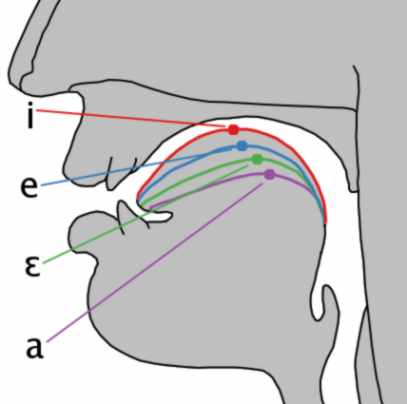
Vowels can be short, like the /ɪ/ in "sit," or long, like the /iː/ in "seat." Some are also diphthongs, which means they are two vowel sounds that glide together, like the /aɪ/ in "my."
Listen to the difference:
shipvs.sheep. The vowel sound is the only thing that changes, but it creates a completely different word.
| Sound (IPA) | Example Word |
|---|---|
| /ɪ/ | sit |
| /iː/ | seat |
| /æ/ | cat |
| /ɑː/ | car |
| /eɪ/ | day |
| /aɪ/ | my |
Consonant Sounds
Consonant sounds are made by partially or completely blocking the flow of air from your mouth. You use your tongue, teeth, or lips to create the blockage. For example, to make a /p/ sound, you press your lips together to stop the air completely and then release it.
Some consonants are voiced, meaning your vocal cords vibrate to make the sound (like /b/ in "bat"). Others are unvoiced, with no vibration (like /p/ in "pat"). You can feel the difference by placing your fingers on your throat as you say them.
| Sound (IPA) | Example Word |
|---|---|
| /p/ | pat |
| /b/ | bat |
| /t/ | ten |
| /d/ | den |
| /s/ | sink |
| /z/ | zinc |
| /θ/ | thin |
| /ð/ | this |
The 'th' sounds, /θ/ (as in thin) and /ð/ (as in this), are often tricky. For both, the tip of your tongue should touch the back of your top teeth. The only difference is that /ð/ is voiced.
Putting Sounds Together
In English, we often group consonants together without a vowel between them. These are called consonant clusters. They can appear at the beginning, middle, or end of a word, and they can be challenging to pronounce smoothly.
Examples of consonant clusters:
- Beginning:
strin street,plin play- End:
stsin tests,lpsin helps
The key to mastering these is to practice them slowly. Say each consonant in the cluster clearly before trying to speed up and blend them together. For example, with "street," say "s... t... r..." and then gradually combine them: "s-tr," then "street."
Listen to native speakers, practise key sounds, use phonetic transcriptions, and break words into syllables.
Now, let's test what you've learned about the fundamental sounds of English.
How is a consonant sound produced?
Which of the following words contains a long vowel sound?
Getting comfortable with these individual sounds is the first major step toward clear communication. Keep listening and practicing.