Introduction to Engineering Thinking
Introduction to Engineering
What Is Engineering?
At its core, engineering is about solving problems. It's the creative application of science, math, and practical knowledge to invent, design, build, and improve just about everything you see around you. From the smartphone in your hand to the bridge you cross on your way to work, engineering turns ideas into reality.
Engineering is fundamentally the systematic application of scientific and mathematical principles to design, build, and maintain structures, machines, systems, and processes that solve practical problems and improve human life.
Think of it as a toolkit for tackling challenges. Engineers don't just build things; they find better, safer, and more efficient ways to do things. They work on projects as small as a tiny computer chip and as large as a city's power grid.
A Field of Many Specialties
Engineering is not a single, monolithic field. It's a broad discipline with many branches, each focused on different challenges and technologies. While there are dozens of specialties, most fall under a few major categories.
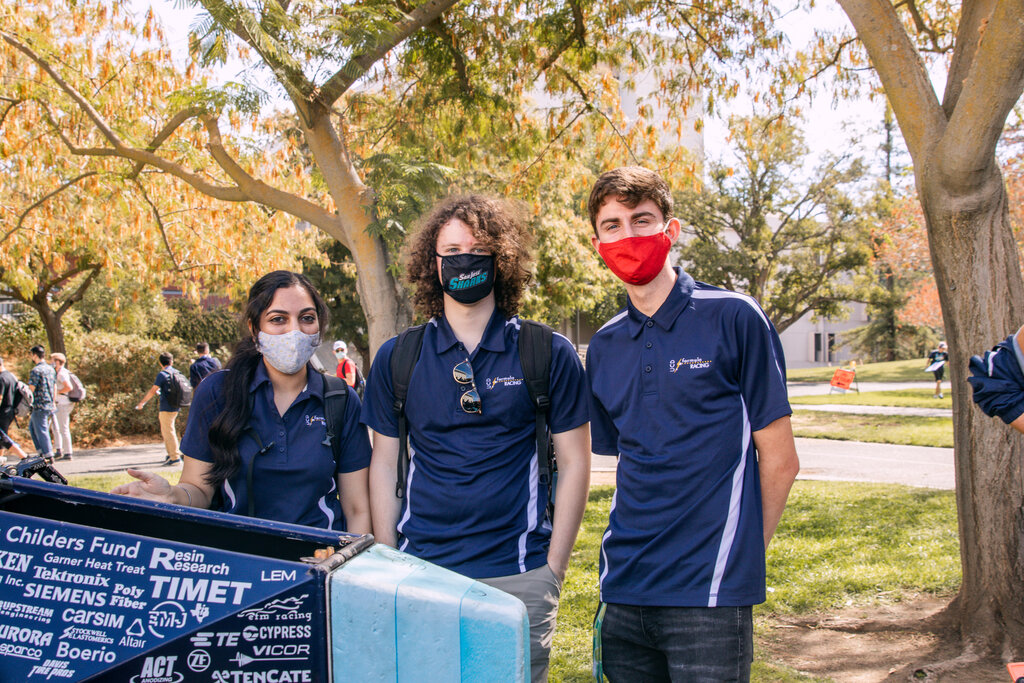
Here are some of the most common branches of engineering:
| Discipline | Focus |
|---|---|
| Civil Engineering | Designs and builds infrastructure, like bridges, roads, dams, and buildings. |
| Mechanical Engineering | Deals with machines, engines, and anything with moving parts, from cars to robots. |
| Electrical Engineering | Focuses on electricity, electronics, and electromagnetism. Powers everything from gadgets to grids. |
| Chemical Engineering | Uses chemistry and physics to transform raw materials into valuable products like fuel, medicine, and food. |
| Computer Engineering | Blends electrical engineering and computer science to design and build computer hardware and software. |
| Aerospace Engineering | Develops aircraft, spacecraft, satellites, and missiles. |
These fields often overlap. For example, building a modern electric car requires mechanical engineers for the body and motor, electrical engineers for the battery and electronics, and computer engineers for the software that runs it all.
Engineering Through History
While the formal study of engineering is relatively modern, the practice is as old as civilization itself. Early humans who created stone tools and built shelters were practicing the fundamentals of engineering: identifying a need and creating a practical solution.
Ancient civilizations produced incredible engineering marvels. The Egyptians built the pyramids using sophisticated surveying and construction techniques. The Romans engineered vast networks of aqueducts and roads that supported their empire. These feats were accomplished through trial, error, and accumulated practical knowledge.
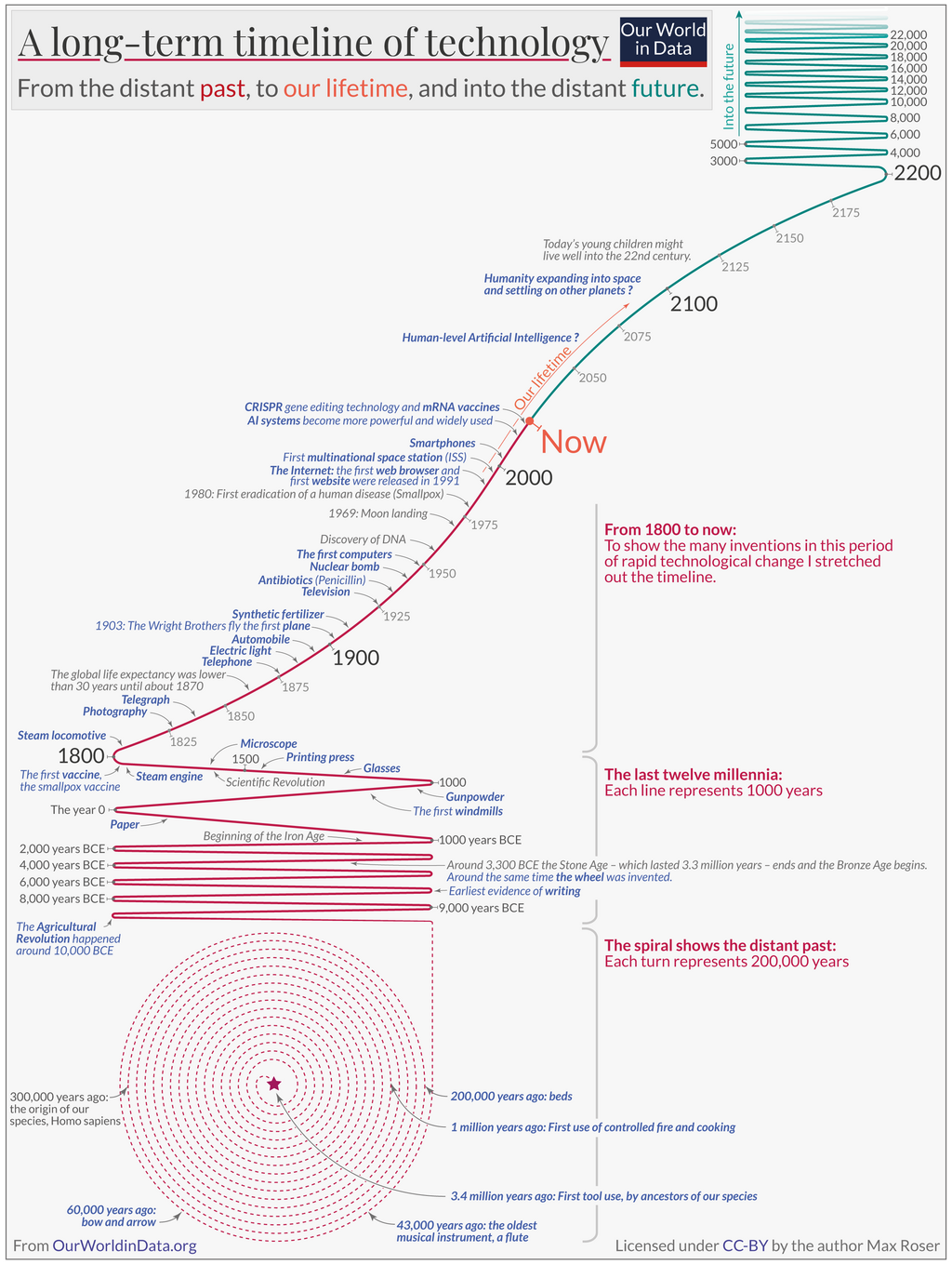
The Industrial Revolution in the 18th and 19th centuries marked a major turning point. The invention of the steam engine and the rise of factories created a demand for a more systematic, scientific approach to design and manufacturing. This period saw the birth of mechanical and civil engineering as formal professions.
The 20th and 21st centuries brought an explosion of new fields. The development of electricity led to electrical engineering. The dawn of the digital age created computer and software engineering. Today, engineers are at the forefront of tackling challenges in fields like artificial intelligence, renewable energy, and biotechnology.
The Engineer's Role and Responsibility
Engineers play a critical role in society. They are the builders, innovators, and problem-solvers who drive technological advancement and improve the quality of human life. Their work ensures we have safe drinking water, reliable electricity, effective transportation, and the tools we use for communication and entertainment.
This vital role comes with significant responsibility. Because their work can have a massive impact on public safety and the environment, engineers must adhere to a strict code of ethics.
An engineer's primary duty is to protect the public's safety, health, and welfare. This principle guides every decision they make, from choosing the right materials for a bridge to designing safety features in a new car.
Professional responsibility also means being honest and objective, providing services only in areas of their competence, and considering the environmental and social impacts of their projects. As we face global challenges like climate change and resource scarcity, the ethical obligations of engineers have never been more important. They are tasked not just with creating what is possible, but with building a sustainable and equitable future.
Ready to test your knowledge? Let's see what you've learned about the world of engineering.
What is the fundamental purpose of engineering?
Which historical period was a major turning point for the formalization of mechanical and civil engineering as scientific professions?
This introduction provides a glimpse into the vast and impactful field of engineering. It’s a discipline that combines creativity with technical skill to solve some of humanity's biggest challenges.