Introduction to Engineering
Introduction to Engineering
What Is Engineering?
Engineering is the art of turning ideas into reality. It's a creative field that uses science, math, and a good dose of ingenuity to design, build, and improve just about everything around us. From the smartphone in your pocket to the bridge you cross on your way to work, engineering makes the modern world possible.
Engineering is fundamentally the systematic application of scientific and mathematical principles to design, build, and maintain structures, machines, systems, and processes that solve practical problems and improve human life.
At its core, engineering is about problem-solving. Engineers are the people who figure out how to build a skyscraper that can withstand an earthquake, design a water filter that provides clean drinking water, or create an app that connects people across the globe. They don't just find solutions; they find the best solutions, balancing factors like cost, safety, and efficiency.
A Quick Trip Through Time
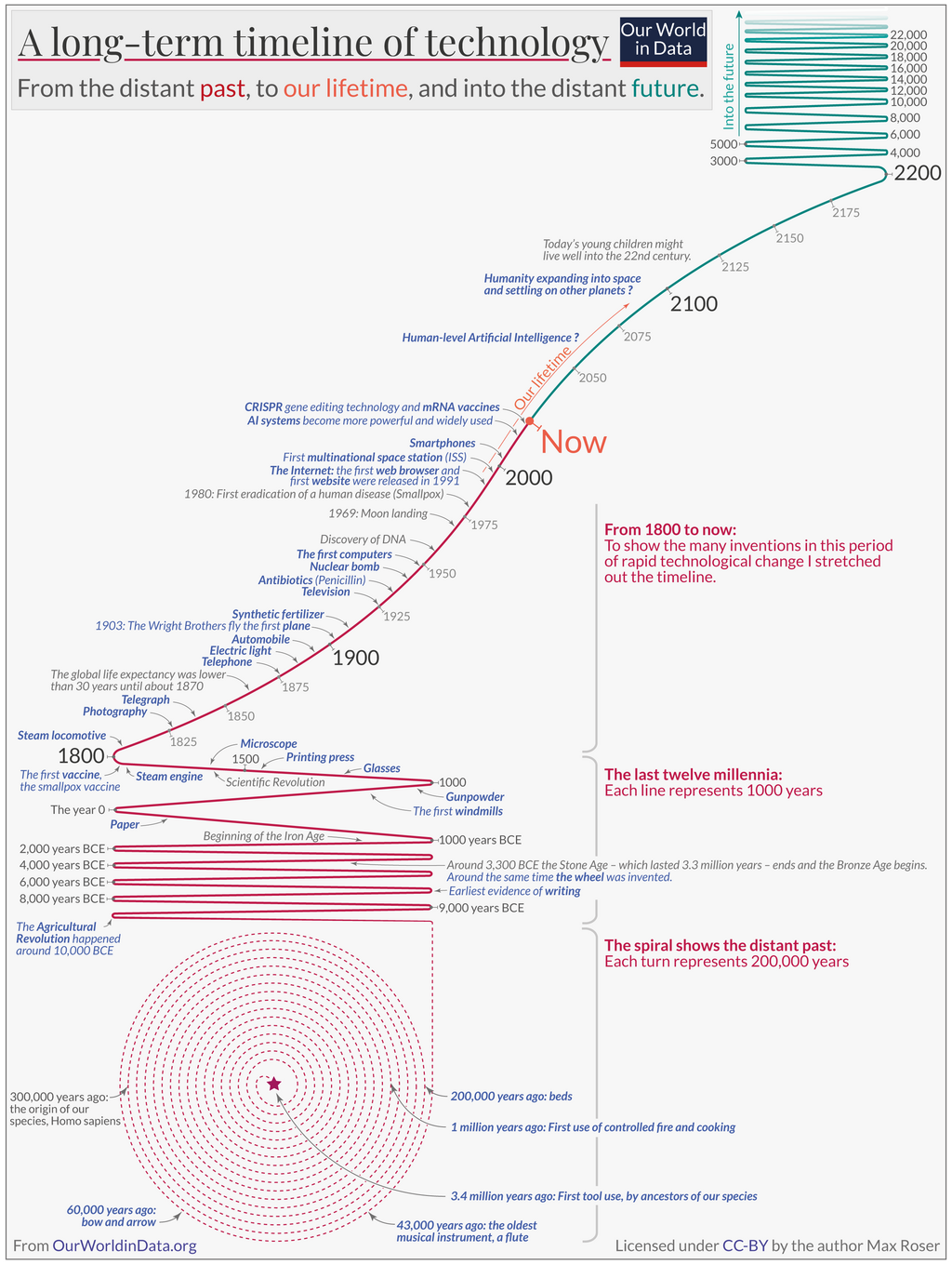
While the term "engineering" is relatively modern, the practice is ancient. Early humans who shaped the first stone tools were, in a sense, the first engineers. The great pyramids of Egypt, the aqueducts of Rome, and the Great Wall of China are all monumental feats of ancient engineering that still inspire awe today.
The Industrial Revolution in the 18th and 19th centuries was a major turning point. The invention of the steam engine and the rise of factories created a demand for people who could design and build machines, leading to the formalization of mechanical and civil engineering as distinct professions. Since then, technology has advanced at an incredible pace, giving rise to new engineering fields that continue to shape our future.
The Many Faces of Engineering
Engineering is not a single, monolithic field. It’s a broad family of disciplines, each with its own focus. While there are dozens of specialties, most fall under a few major branches.
| Discipline | What They Do | Examples |
|---|---|---|
| Civil Engineering | Design and build infrastructure. | Bridges, roads, dams, skyscrapers, water systems. |
| Mechanical Engineering | Work with machines, energy, and motion. | Car engines, aircraft, robots, power plants. |
| Electrical Engineering | Focus on electricity, electronics, and electromagnetism. | Power grids, computer hardware, smartphones, GPS. |
| Chemical Engineering | Transform materials and chemicals into useful products. | Pharmaceuticals, plastics, fuel, food processing. |
These fields often overlap. Building a modern electric car, for example, requires mechanical engineers for the body and engine, electrical engineers for the battery and control systems, and chemical engineers for the battery chemistry and materials. This collaboration is key to solving complex, real-world problems.
Guiding Principles
Beyond technical skills, all engineers are guided by a set of core principles and ethical responsibilities. Their primary duty is to protect the public's safety, health, and welfare. This means every design decision, from the materials used in a bridge to the code in a medical device, must be made with safety as the top priority.
Today, this responsibility extends to the planet. Sustainable design is no longer an afterthought but a central part of the engineering process. This means creating solutions that are not only effective but also environmentally friendly and socially responsible. Engineers are at the forefront of developing renewable energy sources, designing energy-efficient buildings, and creating systems to reduce waste and pollution.
Sustainable engineering aims to meet the needs of the present without compromising the ability of future generations to meet their own needs.
This involves thinking about the entire lifecycle of a product, from the sourcing of raw materials to its eventual disposal or recycling. It's about creating a better world, not just for us today, but for everyone in the future.
What is the core activity of engineering?
Which historical event was a major turning point that led to the formalization of modern engineering professions like mechanical and civil engineering?