Introduction to Embedded Programming
Introduction to Embedded Systems
The Computer Inside Everything
You probably use dozens of computers every day without realizing it. They aren't desktops or laptops. They're hidden inside other devices, quietly doing their jobs. These are embedded systems.
An embedded system is a combination of computer hardware and software designed for a specific function within a larger system. Think of a microwave oven. Its purpose is to heat food. It has a simple keypad and a display, but inside, a small computer (a microcontroller) reads your input, controls the heating element, and runs the timer. It does this one job reliably, and nothing else. You can't use it to check your email or browse the web.
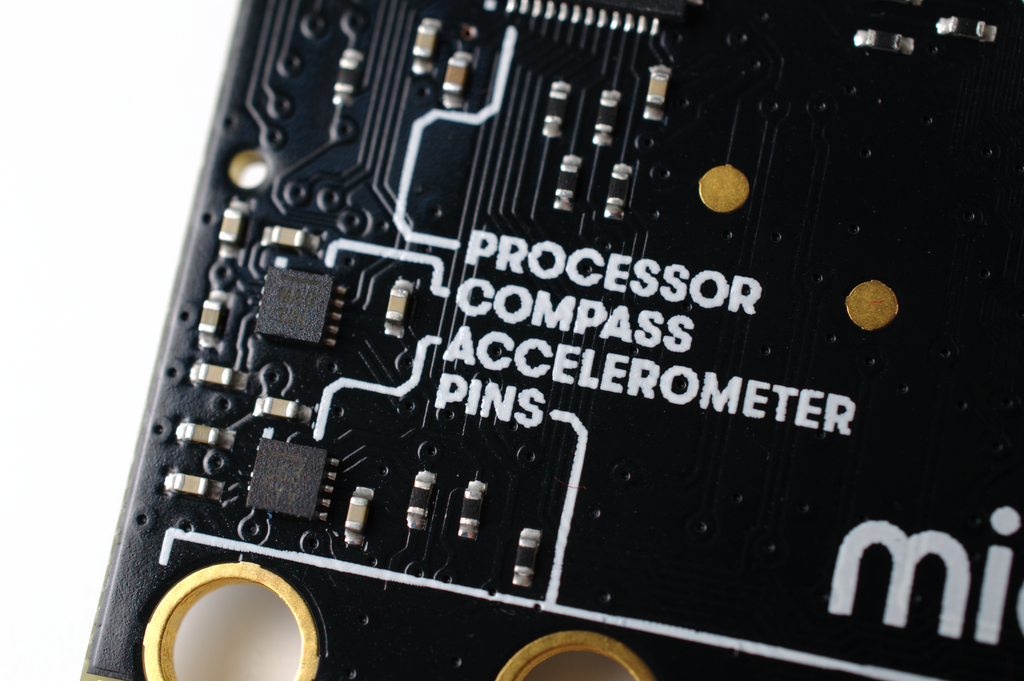
This specialization is the key difference between an embedded system and a general-purpose computer like your phone or laptop. A laptop is designed to be flexible. You can install all sorts of software to perform countless tasks, from writing documents to editing videos.
Embedded systems are everywhere:
- In your home: Televisions, washing machines, digital thermostats, and smart light bulbs.
- In your car: The engine control unit (ECU), anti-lock braking system (ABS), and airbag controller.
- In your pocket: Digital watches and fitness trackers.
- In society: Traffic lights, medical devices like pacemakers, and factory robots.
Working with Constraints
Because embedded systems are designed for a single purpose and are often produced in huge quantities, they operate under a unique set of constraints that don't apply to general-purpose computers.
| Characteristic | General-Purpose Computer (Laptop) | Embedded System (Microwave) |
|---|---|---|
| Function | Multi-purpose; runs various apps | Single, dedicated function |
| Resources | Abundant (gigabytes of RAM, fast CPU) | Highly constrained (kilobytes of RAM, slower CPU) |
| Power | High consumption; relies on large battery or outlet | Low power consumption; often runs on small batteries |
| Cost | High (hundreds to thousands of $) | Very low (often just a few $ per unit) |
| Reliability | A crash is an inconvenience | A crash can be catastrophic (e.g., in a car's brakes) |
These constraints shape every decision when designing an embedded system. The hardware must be just powerful enough to do its job, and no more, to keep costs and power usage down. The software must be incredibly efficient and reliable, often needing to respond to events in real-time.
Real-time performance is critical. When you press the brake pedal in your car, the braking system can't afford to lag because its operating system is busy with another task. It needs to react instantly, every single time.
Understanding these core ideas—a dedicated function, tight constraints, and interaction with the physical world—is the first step into the fascinating field of embedded systems.
What is the primary characteristic that distinguishes an embedded system from a general-purpose computer like a laptop?
Which of the following is the BEST example of an embedded system?