Introduction to Electrostatics
Electric Charge Basics
The Spark of Everything
Everything you see around you, from your phone to the stars in the sky, is made of matter. And all matter has a fundamental property called electric charge. It's an invisible quality, like an object's mass, but it governs a huge range of phenomena, from lightning strikes to the way our nerves fire.
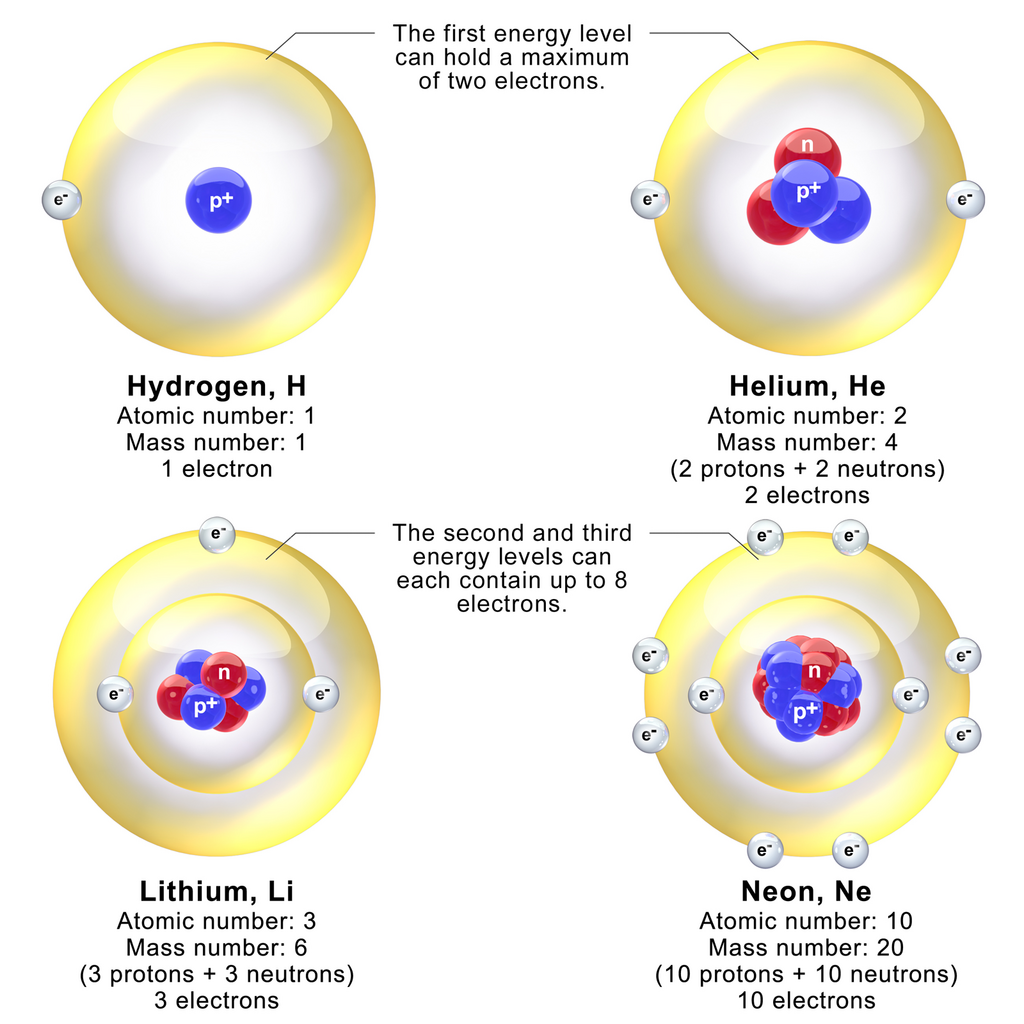
To understand charge, we need to look inside atoms. Atoms are the basic building blocks of matter. They are made of even smaller particles: , neutrons, and electrons. While neutrons are neutral, protons and electrons are the carriers of electric charge.
Protons have a positive charge (+). Electrons have a negative charge (-).
A Basic Law of Attraction
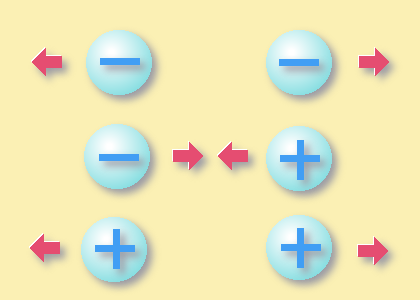
Charged particles interact with each other through forces. The rule is simple and absolute: like charges repel, and opposite charges attract. Think of it like magnets. Two positive charges will push each other away, as will two negative charges. But a positive and a negative charge will pull towards each other.
Most objects are electrically neutral. This doesn't mean they have no charge. It means they have a perfect balance of positive and negative charges. For every proton, there is an electron, so their charges cancel each other out. The object has a net charge of zero.
Charging Up
So how does a neutral object become charged? By transferring electrons. Protons are stuck deep inside the atom's nucleus, but the lightweight electrons on the outer edges can sometimes be knocked loose.

When you rub a balloon on your hair, friction can pull electrons from your hair and deposit them onto the balloon. Your hair, having lost electrons, now has more protons than electrons. It has a positive net charge. The balloon, with its extra electrons, now has a negative net charge. Since opposites attract, your positively charged hair will stand up and reach for the negatively charged balloon.
This process demonstrates a crucial rule: the . Charge isn't created or destroyed; it's simply moved from one place to another. The total amount of charge in an isolated system always remains constant. The electrons that the balloon gained were lost by the hair, keeping the total charge of the hair-balloon system the same.
Some materials, like metals, are called conductors because their electrons can move around freely. Other materials, like rubber or glass, are insulators because their electrons are held tightly in place. This difference is key to understanding how electricity flows and how it can be controlled.
Now, let's check your understanding of these basic principles.
Which subatomic particles are the primary carriers of electric charge?
An object is electrically neutral because it contains an equal number of protons and electrons.
Understanding these fundamentals of charge is the first step into the world of electrostatics. From here, we can begin to explore the forces and fields that these charges create.