Introduction to Educational Robotics
Introduction to Educational Robotics
More Than Just Machines
When you hear the word "robotics," you might picture factory arms or futuristic androids. But what happens when we bring robotics into the classroom? It becomes something more: a powerful tool for learning. Educational robotics is the use of robots to teach concepts and skills.
robotics
noun
A field of technology that deals with the design, construction, operation, and application of robots.
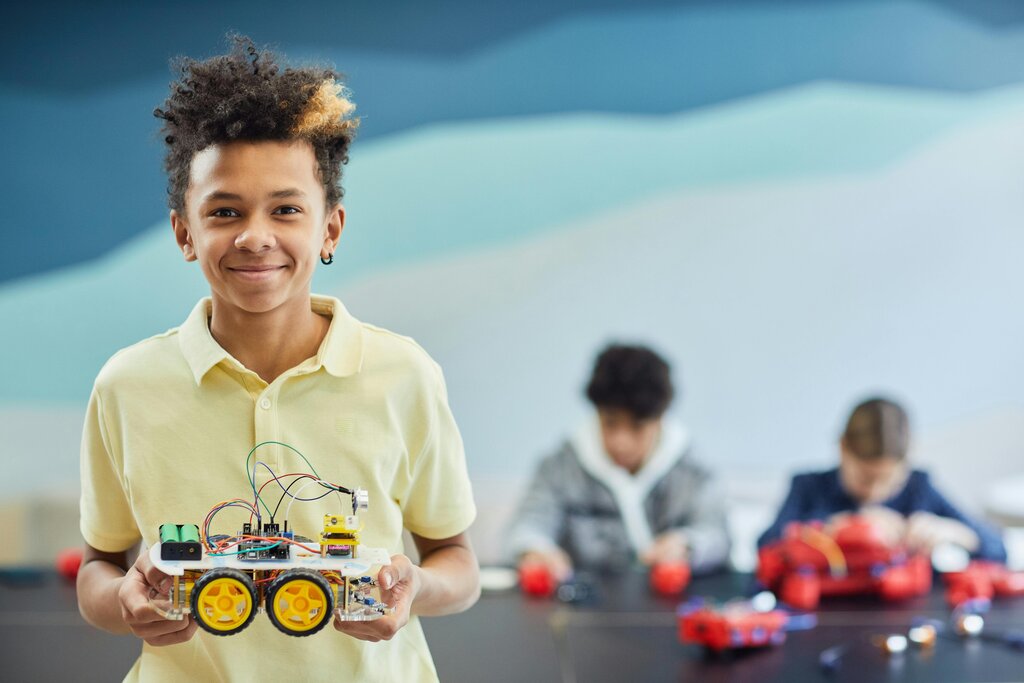
The goal isn't just to train future roboticists. Instead, it's about providing a hands-on way to explore subjects like math, physics, and programming. Students don't just read about a concept in a textbook; they build a machine that brings it to life. This process turns abstract ideas into tangible, interactive experiences.
A Quick Look Back
The idea of using technology to help kids learn isn't new. In the 1960s, computer scientist Seymour Papert developed Logo, a programming language that allowed children to control a simple on-screen "turtle." He believed that kids learn best when they are actively creating and experimenting. This philosophy laid the groundwork for educational robotics.
The real breakthrough came with the introduction of platforms like LEGO Mindstorms in the late 1990s. Suddenly, building and programming a robot became much more accessible. Instead of requiring deep expertise in electronics and coding, students could use familiar building blocks and simple visual programming interfaces to create their own inventions. This shift took robotics from university labs into elementary and middle school classrooms around the world.
The focus moved from simply learning about technology to using technology to learn.
Why It Matters Now
Today's world requires skills that go beyond memorizing facts. Problem-solving, critical thinking, and collaboration are essential, and educational robotics is a natural fit for developing these abilities. When students work on a robotics project, they have to define a problem, brainstorm solutions, test their ideas, and work together to get the robot to perform a task.
By incorporating robotics into the curriculum, schools can provide engaging, hands-on learning experiences that foster critical thinking, problem-solving, and creativity skills necessary for the current and future workforce (U.S. Department of Commerce, 2021).
This approach fundamentally changes the classroom dynamic. The teacher's role shifts from being a lecturer to a facilitator, guiding students as they discover solutions for themselves. Learning becomes an active, engaging process of trial and error, which is often more effective and memorable than passively receiving information.
Robotics gives students a compelling reason to learn. They're not just solving a math problem on a worksheet; they're programming a robot to navigate a maze or pick up an object. This context makes learning feel relevant and exciting.
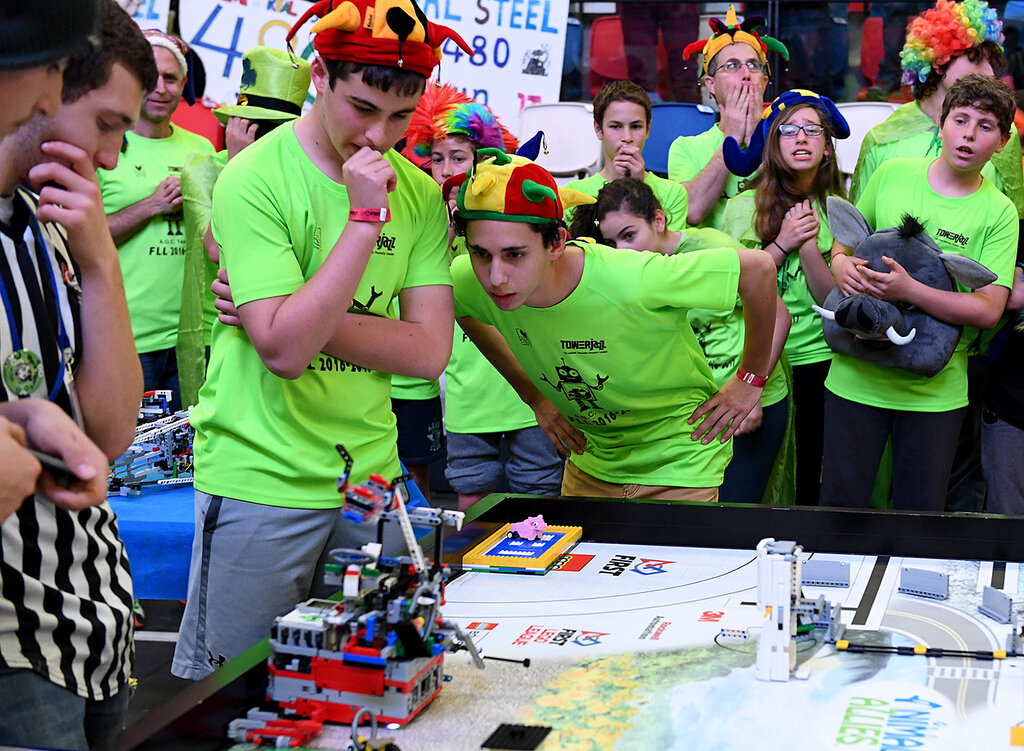
By turning learning into a hands-on adventure, educational robotics prepares students not just for exams, but for a future where technology and creative problem-solving are key.