Introduction to Editing Essentials
Introduction to Editing
What is Editing?
Editing is the art of choosing and arranging pieces of a whole to create a final product. Whether it's words in a book, shots in a film, or clips in a podcast, editing shapes the raw material into a cohesive and understandable experience.
Editing
noun
The process of preparing language, images, or sound for production or publication by correcting, condensing, or otherwise modifying it.
It's more than just fixing mistakes. Editing guides the audience's attention, sets the pace, and builds the emotional tone. A good editor is an invisible storyteller, making choices that feel natural and intentional, ensuring the message is clear and the story is engaging. Every cut, every rearrangement, and every deletion serves the purpose of making the final piece stronger.
At its core, editing is about making decisions. What should stay? What should go? In what order should things be presented? These choices transform a collection of clips or sentences into a compelling narrative.
A Brief History
In the early days of cinema, editing was purely functional. A film was just one long, continuous shot. Filmmakers soon realized they could connect different shots to create a story. Early pioneers began splicing separate pieces of film together to show different locations or moments in time, a revolutionary concept.
This simple act of joining shots opened up a new world of storytelling. Instead of just documenting reality, filmmakers could construct it. They could create suspense by cutting between a hero in danger and an approaching train, or show the passage of time by transitioning from a young character to an older one.
The process was physical and hands-on. Editors literally cut film strips with a blade and taped them together. With the advent of digital technology, editing moved to computers. This non-linear editing allowed for much greater flexibility and experimentation, but the fundamental goal remained the same: to tell a story effectively.
Core Principles
While technology has changed, the guiding principles of good editing have not. These ideas help ensure the final product is smooth, coherent, and impactful.
One key principle is continuity. This means creating a seamless flow where cuts are logical and don't disorient the viewer. If a character is holding a cup in one shot, they should be holding it in the next, unless there's a reason for it to have moved. This maintains the illusion of a continuous reality.
Another is pacing. Pacing is the rhythm and speed of the edits. A fast-paced action sequence might use many quick cuts to create a sense of energy and chaos. A quiet, emotional scene might use long takes with few cuts to let the audience absorb the performance. The right pacing holds the audience's attention and controls the story's emotional energy.
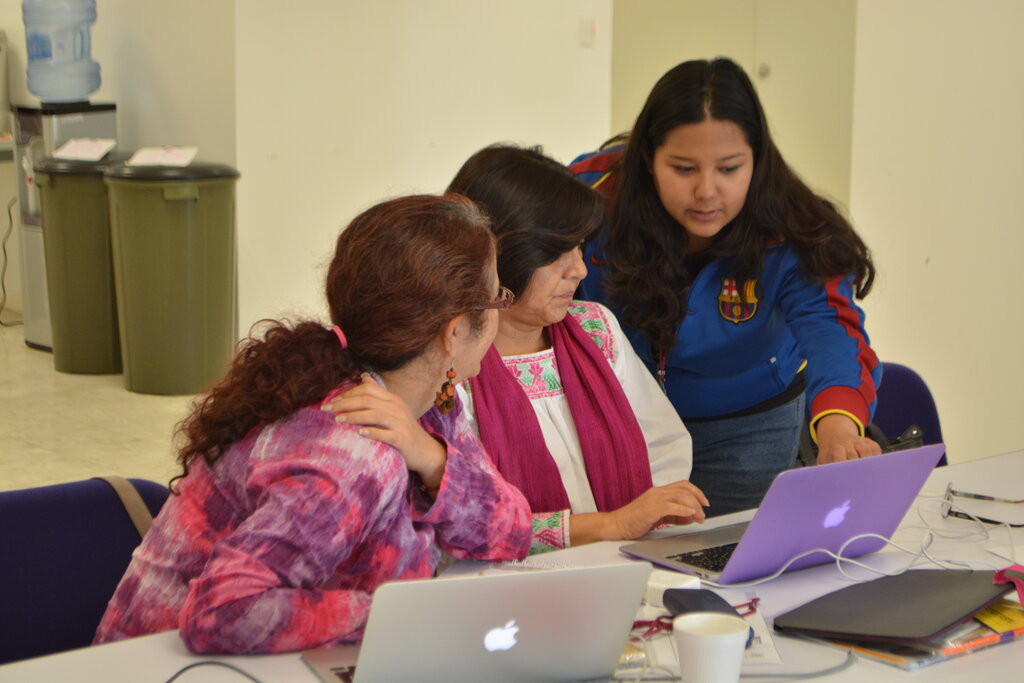
Editing is where you shape the story, choosing the best shots to create a compelling narrative.
Perhaps the most powerful principle is the idea of juxtaposition. This is the meaning created by placing two images or ideas next to each other. An editor can create new meaning that doesn't exist in either shot alone. For example, showing a shot of a person looking at something, followed by a shot of a plate of food, implies the person is hungry. If you follow that same shot of the person with a shot of a child playing, it implies love or nostalgia.
The editor didn't change the person's expression at all. They changed the context, and in doing so, they created the character's emotional state in the mind of the audience. This is the magic of editing.
Now, let's test what you've learned about the fundamentals of editing.
What is the primary goal of editing?
An editor cuts from a shot of a person looking off-screen to a shot of a birthday cake. Without any other information, what does this juxtaposition imply?
Understanding these basic ideas is the first step toward appreciating how powerful editing is in shaping what we watch, read, and hear.