Introduction to Economics
Introduction to Economics
The Heart of the Matter
At its core, economics is the study of how people make choices. It's not just about money, stocks, or taxes. It's about how we, as individuals and as societies, deal with a fundamental problem: we can't have everything we want.
Economics – the study of scarcity and choice.
Every day, you make economic decisions. Should you buy a coffee or save the money? Should you study for an extra hour or watch a movie? A business owner decides whether to hire new employees or invest in new equipment. A government decides whether to spend more on healthcare or on education. All these are economic choices.
The Problem of Scarcity
The reason we have to make choices is because of scarcity. This is the most basic concept in all of economics. Scarcity means our wants and desires are unlimited, but the resources available to satisfy them are limited.
Think about your time. You only have 24 hours in a day. You might want to sleep for eight hours, work for eight, spend time with friends, read a book, exercise, and learn a new skill. You can't do it all. Time is a scarce resource, so you must choose how to use it.
Scarcity
noun
The basic economic problem that arises because people have unlimited wants but resources are limited.
This same principle applies to everything else: money, natural resources, food, and goods. There is a finite amount of these things. Because of scarcity, we are forced to decide what is most important to us.
Choice and Opportunity Cost
Every time you make a choice, you face a trade-off. A trade-off is what you give up when you choose one thing over another. If you choose to spend $20 on a t-shirt, you are trading off the other things you could have bought with that same $20, like a book or a few meals.
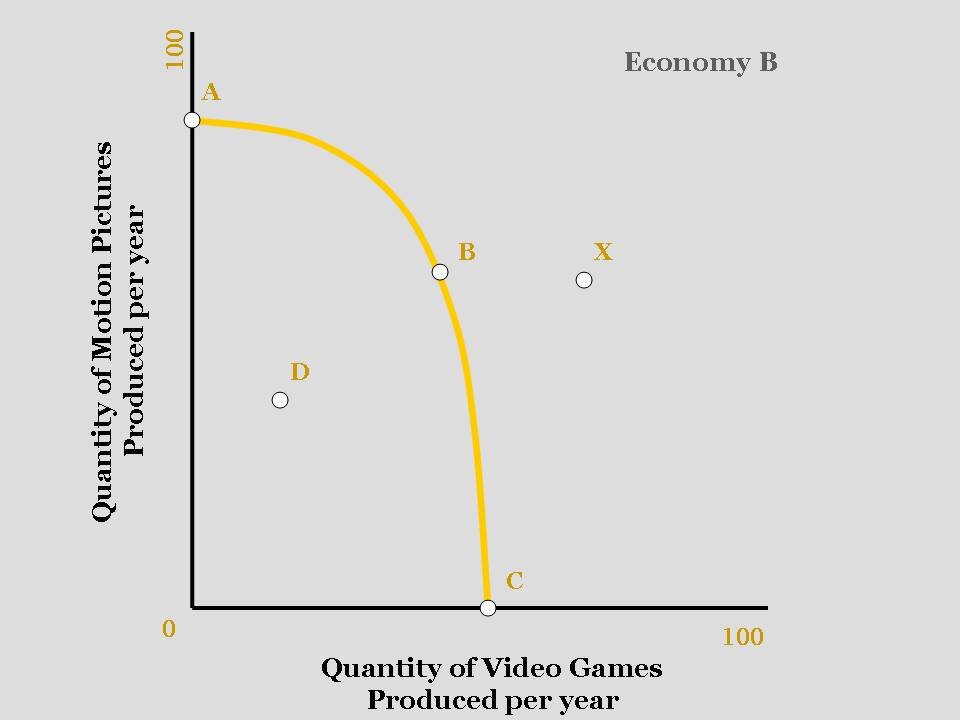
This leads to one of the most important ideas in economics: opportunity cost. The opportunity cost of a decision is the value of the next-best alternative that you didn't choose. It's not just about the money you spend; it's about the opportunity you lose.
Opportunity Cost
noun
The potential benefits an individual, investor, or business misses out on when choosing one alternative over another.
Imagine you have a free evening. You can either go to a concert that costs 💲50 or stay home and read a book (which is free). If you decide to go to the concert, your opportunity cost isn't just the 💲50. It's also the enjoyment you would have gotten from reading the book. That's the true cost of your choice.
Understanding scarcity, choices, and opportunity cost is the first step to thinking like an economist. These concepts apply to almost every aspect of life, helping us make better decisions by weighing what we gain against what we give up.
What is the fundamental problem that economics seeks to address?
You have a free evening. You can either go to a concert that you would enjoy, or you can stay home and study for an important exam. You choose to study. What is the opportunity cost of your decision?