Introduction to Earth Science and Geology
Introduction to Geology
Reading the Earth
Geology is the science of the Earth. It's the story of our planet, from its deepest core to its highest mountains. Geologists study the materials that make up the Earth, the processes that shape it, and the long history written in its rocks. Think of the Earth as a vast, ancient book. Geologists are the detectives and translators who learn to read its pages, uncovering tales of vanished oceans, shifting continents, and long-extinct creatures.
geology
noun
The scientific study of the Earth, its structure, materials, history, and the processes that act on it.
This field isn't just about looking at rocks. It's about understanding the powerful forces at work beneath our feet and how they've shaped everything we see. It helps us answer big questions: Why are there mountains here and flat plains there? Where do we find clean water to drink or the resources needed to build our cities? By understanding the Earth's past, geology gives us the tools to better anticipate its future.
A Geologist's Toolkit
How do geologists read the Earth's story? Their work is a blend of outdoor adventure and high-tech analysis. It often starts with fieldwork.
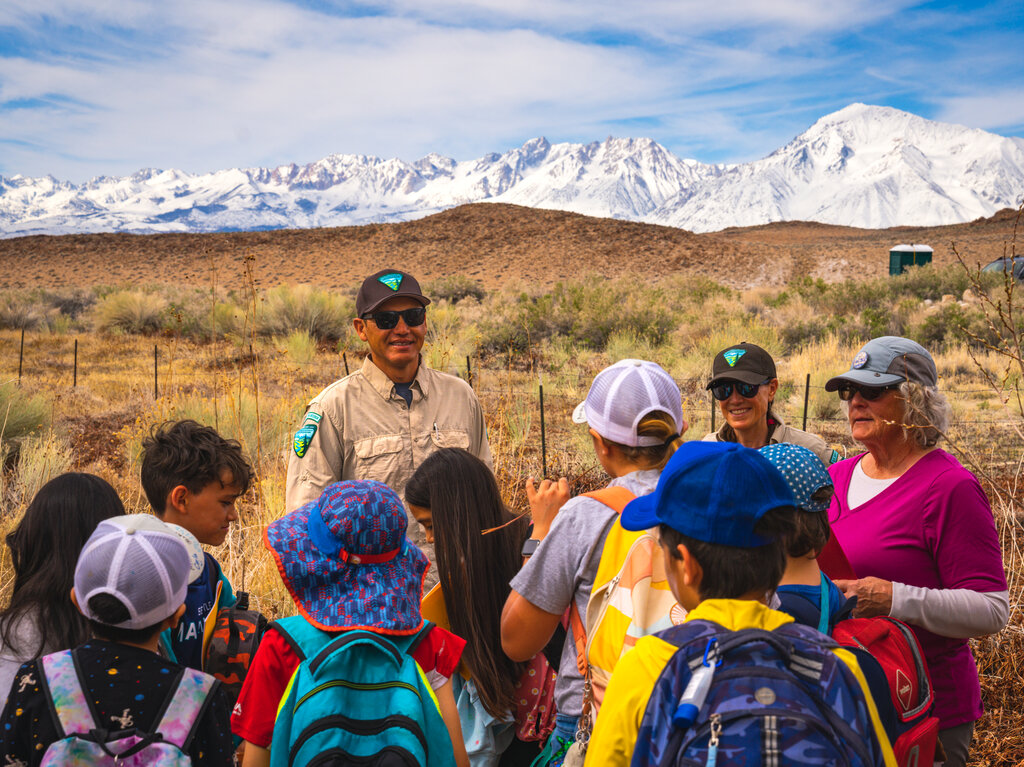
A geologist might hike into a remote canyon to map out rock layers, chip away a sample from a mountainside, or drill deep into the ground to see what lies beneath. The essential tools are often simple: a rock hammer, a compass, and a keen eye for detail. The goal is to observe and record information directly from the source.
Back in the lab, the investigation continues. Geologists use powerful microscopes to examine the crystal structure of minerals and chemical tests to determine a rock's composition. This detailed analysis helps reveal how, where, and when the rock formed.

Today, geologists also rely on advanced technology. Satellites and drones provide images of the Earth's surface from above, a technique called remote sensing. Powerful computers run simulations to model everything from the flow of groundwater to the immense forces that move continents. This combination of hands-on fieldwork, laboratory science, and computational analysis gives us a remarkably detailed picture of our planet.
Many Fields, One Earth
Geology is a broad science with many specialties, each focused on a different part of the Earth system. It's like a library with a different section for every topic.
| Sub-discipline | Focus of Study |
|---|---|
| Seismology | Earthquakes and seismic waves. |
| Volcanology | Volcanoes, lava, and magma. |
| Paleontology | Fossils and the history of life. |
| Hydrogeology | Groundwater and its movement. |
| Mineralogy | Minerals, their structure and properties. |
| Geomorphology | The origin and evolution of landforms. |
Each of these fields contributes a crucial piece to the overall puzzle. A paleontologist finding a fossil of a marine animal high in the mountains provides a clue about the area's past. A seismologist studying earthquake waves can help us map the Earth's hidden interior. Together, their work builds a cohesive understanding of our planet.
Why Geology Matters
Understanding geology is vital to modern society. It's not just an academic subject; it has practical, everyday importance. Nearly every material we use comes from the Earth. Geologists are essential for locating and responsibly managing natural resources, including:
- Energy: Finding deposits of oil, natural gas, coal, and uranium.
- Minerals: Locating the raw materials needed for everything from smartphones to skyscrapers, such as iron, copper, and lithium.
- Water: Identifying and protecting underground aquifers that supply fresh drinking water.
Geology also helps us prepare for and mitigate natural hazards like earthquakes, volcanic eruptions, landslides, and floods. By understanding the processes that cause these events, we can build safer communities.
Finally, geology is at the heart of today's most pressing environmental challenges. Geologists study climate change by examining ancient ice cores and sediment layers. They work on solutions for waste disposal and help clean up contaminated land and water. A solid understanding of our planet is the first step toward living on it sustainably.
Time to check your understanding of the fundamentals.
What is the primary focus of geology?
The use of satellites and drones to gather images of the Earth's surface from above is known as __________.
Geology offers a profound perspective on our world, connecting us to the deep past and helping us navigate the future.