Introduction to E-Learning
Introduction to E-Learning
What Is E-Learning?
At its core, e-learning is simply learning delivered through electronic devices. Instead of sitting in a physical classroom, you access educational content through a computer, tablet, or smartphone. This approach breaks down the traditional barriers of time and place, allowing learning to happen whenever and wherever you need it.
e-learning
noun
The delivery of learning and training through digital resources. Although e-learning is based on formalized learning, it is provided through electronic devices such as computers, tablets and even cellular phones that are connected to the internet.
Think of it as the digital evolution of education. The fundamental goal remains the same: to transfer knowledge and skills. What has changed is the medium. From corporate training modules to full university degrees, e-learning encompasses a vast range of educational experiences powered by technology.
A Brief History
The idea of distance education isn't new. It started with correspondence courses in the 1840s, where lessons were sent and returned by mail. But e-learning as we know it began with the rise of computers.
The first steps were taken in the 1960s with mainframe computers in universities. Systems like PLATO (Programmed Logic for Automatic Teaching Operations) at the University of Illinois allowed students to access lessons and tutorials on shared terminals. It was revolutionary for its time, featuring early versions of forums and message boards.
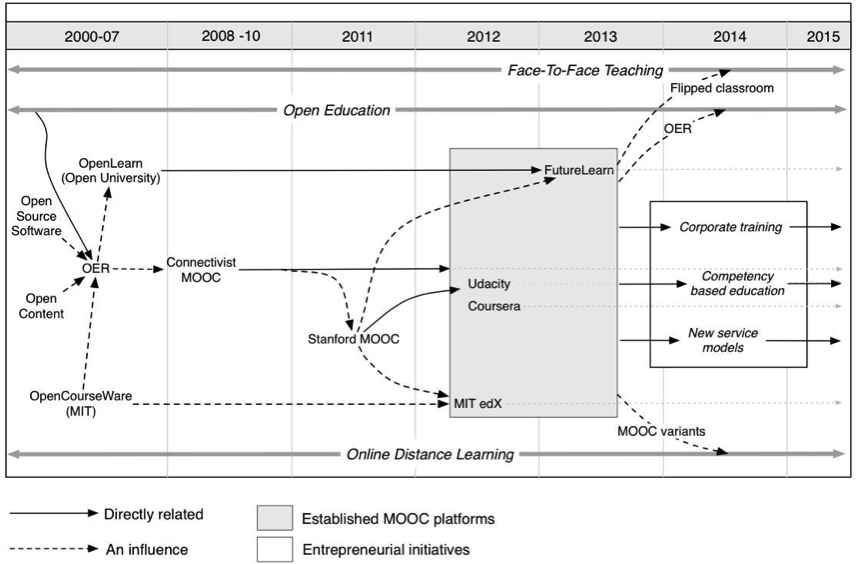
When personal computers arrived in the 1980s, learning materials could be distributed on floppy disks and later CD-ROMs. This was a big leap, but the content was static. The real game-changer was the internet. In the 1990s and early 2000s, the web made it possible to deliver dynamic content and connect learners and instructors in real time, paving the way for the sophisticated online platforms we use today.
The Building Blocks
Modern e-learning relies on a few key components working together. The central nervous system of most online education is the Learning Management System, or LMS.
A Learning Management System (LMS) is a software application for the administration, documentation, tracking, reporting, and delivery of educational courses or training programs.
An LMS acts as a virtual school. It's the platform where courses are housed, students enroll, and progress is tracked. It integrates several essential tools to create a complete learning environment.
These components include:
- Course Content: This is the 'what' of learning. It can be anything from text articles and video lectures to interactive simulations and downloadable PDFs.
- Assessment Tools: To check for understanding, e-learning platforms include tools for quizzes, tests, and assignment submissions. These can provide instant feedback to the learner.
- Communication Tools: Learning is often social. Discussion forums, direct messaging, and video conferencing allow students to interact with instructors and each other.
- User Management: This is the administrative backbone. It handles enrolling students, tracking their progress through courses, and managing their grades and certificates.
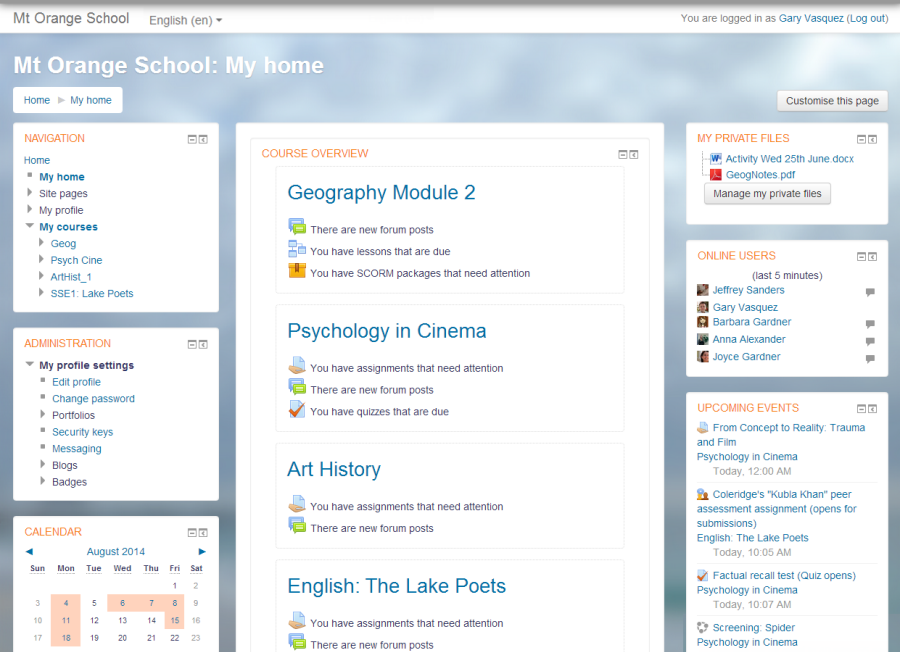
Together, these elements form a digital ecosystem that supports learning from start to finish.