Introduction to Drumming
Drum Kit Setup
Building Your Foundation
Unboxing a new drum kit is exciting, but putting it together can feel like a puzzle. Let's start with the basics. A standard five-piece kit includes a bass drum, a snare drum, two rack toms, and a floor tom. You'll also have cymbals: typically a hi-hat, a crash, and a ride.
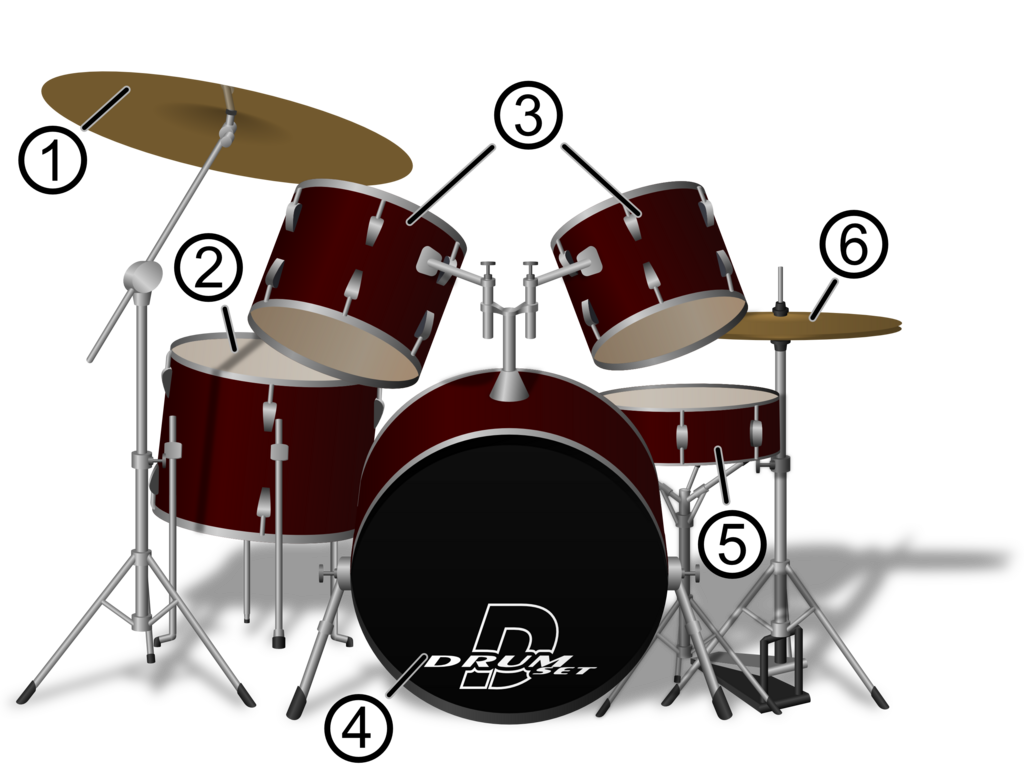
Begin with the bass drum. It's the largest drum and the anchor of your kit. Attach its legs, or spurs, making sure they angle forward to prevent the drum from sliding away as you play. Next, attach the bass drum pedal. This is your foundation.
Your drum throne (the stool) is your command center. Set it up behind the bass drum. The correct height is crucial and we'll cover that next. For now, just get it in position.
Now, set up the snare stand and place the snare drum in its basket. The snare is usually positioned between your knees. After that, mount the rack toms on top of the bass drum. Finally, assemble your cymbal stands and place the floor tom on its legs to the side of your dominant leg.
Finding Your Sweet Spot
How your kit is arranged determines how comfortably and efficiently you can play. Poor ergonomics can lead to bad habits and even injury. Everything should revolve around your body, not the other way around.
Start by adjusting your throne height. Sit down with your feet flat on the floor. Your thighs should be parallel to the ground or angled slightly downward. This gives you a stable base and allows for proper pedal technique.
Next, position the core components: the bass drum pedal and the hi-hat pedal. Let your feet rest naturally on them. You shouldn't have to strain or twist your ankles. Place the snare drum directly between your legs, low enough that you can strike the center without hitting the rim accidentally, but high enough that your legs fit comfortably underneath.
Your bass pedal, hi-hat pedal, and snare drum form the essential triangle of your setup. Get this part right before adding anything else.
With the core in place, add the toms and cymbals. Position them so you can reach them with a natural arm motion. The goal is to minimize twisting and stretching. Angle the surfaces of the drums and cymbals slightly toward you so your sticks make good contact. Don't be afraid to experiment. Your ideal setup is unique to your body and playing style.
Tuning for Tone
Tuning gives your drums their voice. An untuned kit sounds lifeless, but a well-tuned kit sings. Each drum has a batter head (the top one you hit) and a resonant head (the bottom one). Both heads, and the relationship between them, shape the drum's sound.
The basic tool for tuning is a drum key. You use it to tighten or loosen the tension rods around the rim of the drum. The goal is to apply even tension across the head to produce a clear, sustained tone.
Think of tuning like tightening the spokes on a bicycle wheel. You adjust opposite sides in sequence to keep the tension balanced.
Start with all tension rods "finger-tight." Then, using the drum key, give each rod a quarter or half turn. Follow a star pattern, tightening the rod opposite the one you just turned. This ensures even tension. Tap the head near each rod with a stick. You're listening for a consistent pitch all around the drum. If one spot is higher or lower, adjust the nearest rod until the pitches match.
Repeat this process for both the batter and resonant heads. The relationship between the two heads determines the drum's sustain and pitch bend. Tuning the resonant head higher than the batter head will give you more sustain. Tuning it lower creates a pitch drop effect after the initial hit. There's no single "right" way to tune, so experiment to find the sounds you like.
Ready to test your knowledge on setting up your kit?
When setting up a new drum kit, which component should be positioned first to act as the anchor for the rest of the setup?
What is the recommended guideline for setting your drum throne height to ensure proper ergonomics and playing technique?
A proper setup is the first step toward becoming a great drummer. It ensures comfort, promotes good technique, and makes playing a joy.