Introduction to Drumming
Drum Kit Components
Anatomy of a Drum Kit
A drum kit isn't just one instrument; it's a collection of drums, cymbals, and other percussion instruments arranged to be played by a single person. Each piece has a unique sound and a specific role in creating a beat. Let's break down the standard five-piece kit you'll see most often.
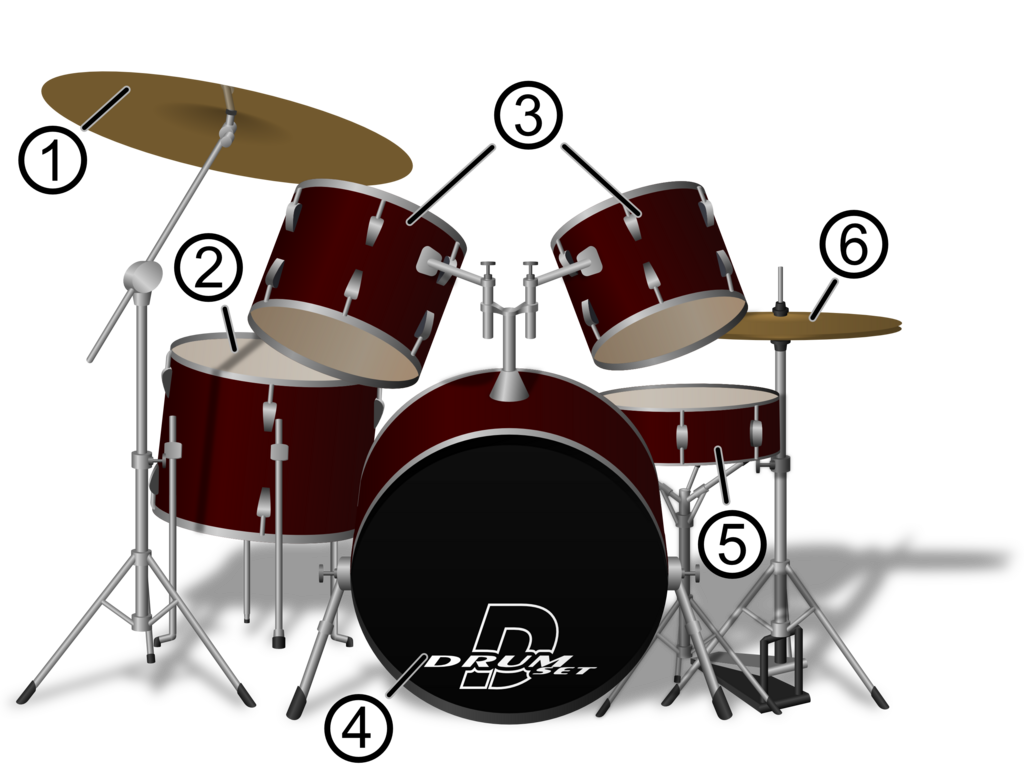
Think of the kit as being divided into two main families: the drums themselves, which create punchy, resonant tones, and the cymbals, which provide sharp, metallic sounds that cut through the mix.
The Drums
The drums form the core foundation of the rhythm section. They are typically made of wood shells with drumheads stretched over them.
First up is the bass drum, also called the kick drum. This is the largest drum in the kit, and it sits on the floor. It's played with a foot pedal and provides the deep, low-end pulse of the music. It’s the "boom" in the beat.
The bass drum is the heartbeat of the drum groove.
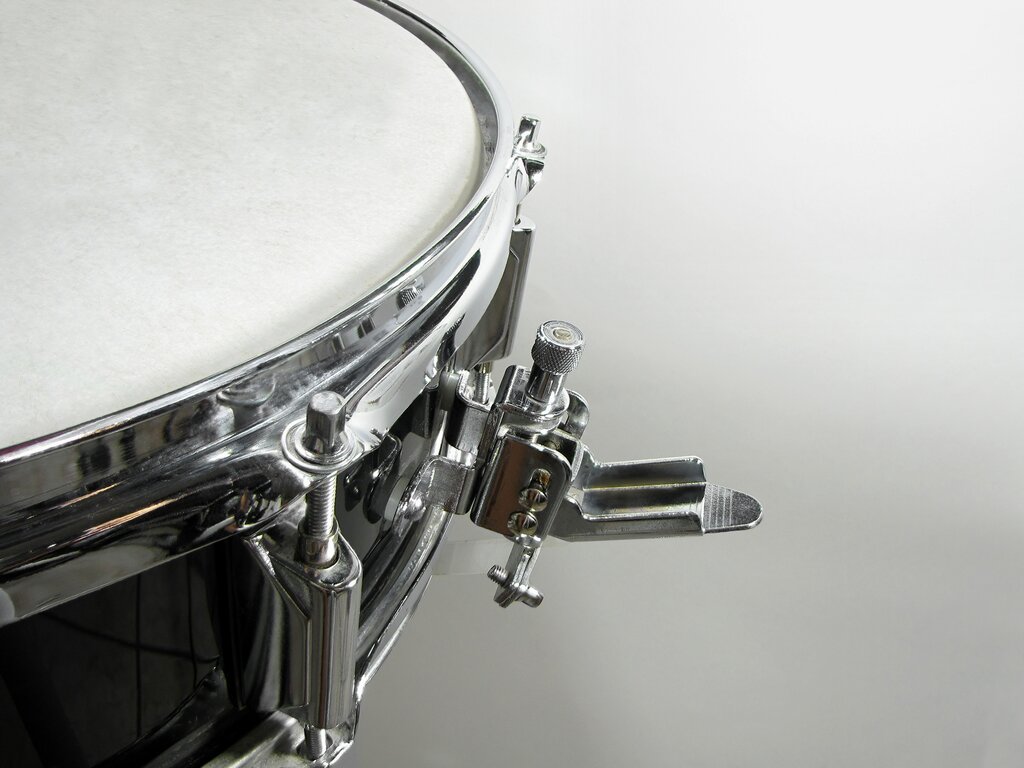
The snare drum is the sharp, cracking sound that usually marks the backbeat. It sits on a stand between the drummer's knees. What gives the snare its signature sound is a set of metal wires, called snares, stretched across the bottom head. When you strike the top head, the bottom head vibrates against these wires, creating a distinct, snappy buzz.
Then there are the toms, also known as tom-toms. In a standard kit, you'll usually find two or three. The smaller ones, called rack toms, are mounted over the bass drum. The largest one, the floor tom, stands on its own legs to the side of the drummer. Toms have a pure, pitched tone and are most often used for fills—the short, rhythmic passages that connect different sections of a song.
The Cymbals
Cymbals are the metallic, shimmering voices of the drum kit. They are typically made from bronze alloys and come in various sizes and thicknesses to produce different sounds.
The hi-hat is a pair of cymbals mounted on a stand with a pedal at the base. You can play it with your sticks when it's closed for a crisp "chick" sound, or use the foot pedal to open and close the cymbals, creating a "swoosh" effect. The hi-hat is a primary timekeeper in many styles of music.
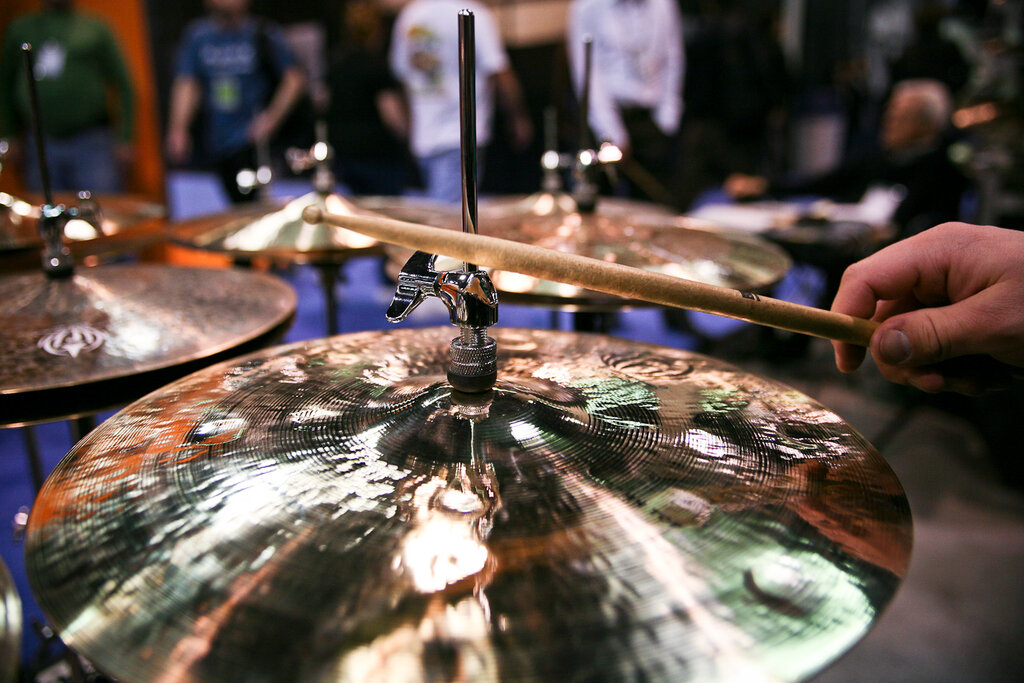
The crash cymbal is used for accents. As its name suggests, it creates a loud, explosive "crash" sound that adds emphasis, often at the beginning of a musical phrase. Drummers usually have at least one crash cymbal, often placed on the left side of the kit.
Finally, the ride cymbal is another timekeeping instrument, similar to the hi-hat but with a more sustained, shimmering tone. It's typically the largest cymbal in the kit and is used to play steady rhythmic patterns, or "ride patterns," especially in jazz and rock. You can also strike the bell in the center of the ride for a clear, piercing ping sound.
| Component | Primary Function | Sound Characteristic |
|---|---|---|
| Bass Drum | Provides the low-end pulse or heartbeat | Deep, booming, thudding |
| Snare Drum | Marks the backbeat | Sharp, cracking, buzzing |
| Toms | Used for rhythmic fills | Melodic, resonant, pitched |
| Hi-Hat | Keeps steady time | Crisp, tight, "chick" sound |
| Crash Cymbal | Creates loud accents | Explosive, loud, washy |
| Ride Cymbal | Plays rhythmic patterns | Shimmering, sustained, pinging |
These are the fundamental pieces of a drum kit. Understanding what each part does is the first step toward learning how they all work together to create a cohesive rhythm.