Introduction to Drumming
Drum Kit Setup
Start with the Throne
Your drum kit setup begins with you. The drum throne, or stool, is the most important piece for comfort and posture. Setting it correctly prevents strain and makes everything else easier to reach.
Adjust the height so your thighs are angled slightly downward when your feet are flat on the floor. Your knees should be just below your hips. This position gives you balance and allows your legs to move freely for the pedals. A 90-degree angle at the knees is too low; a steep downward angle is too high.
Sit up straight but stay relaxed. Good posture on the throne is the foundation for good technique everywhere else on the kit.
Build Around Your Body
Once your throne is set, bring in the core pieces: the bass drum and the snare drum. Your body's position determines where they go.
Place the bass drum first. Sit on your throne and position the drum so your right foot naturally rests on the pedal's footboard. Attach the pedal, making sure the clamp is secure on the hoop. The beater should strike the center of the drumhead. Most bass drums have legs, called spurs. Angle them forward to anchor the drum and stop it from sliding away as you play.
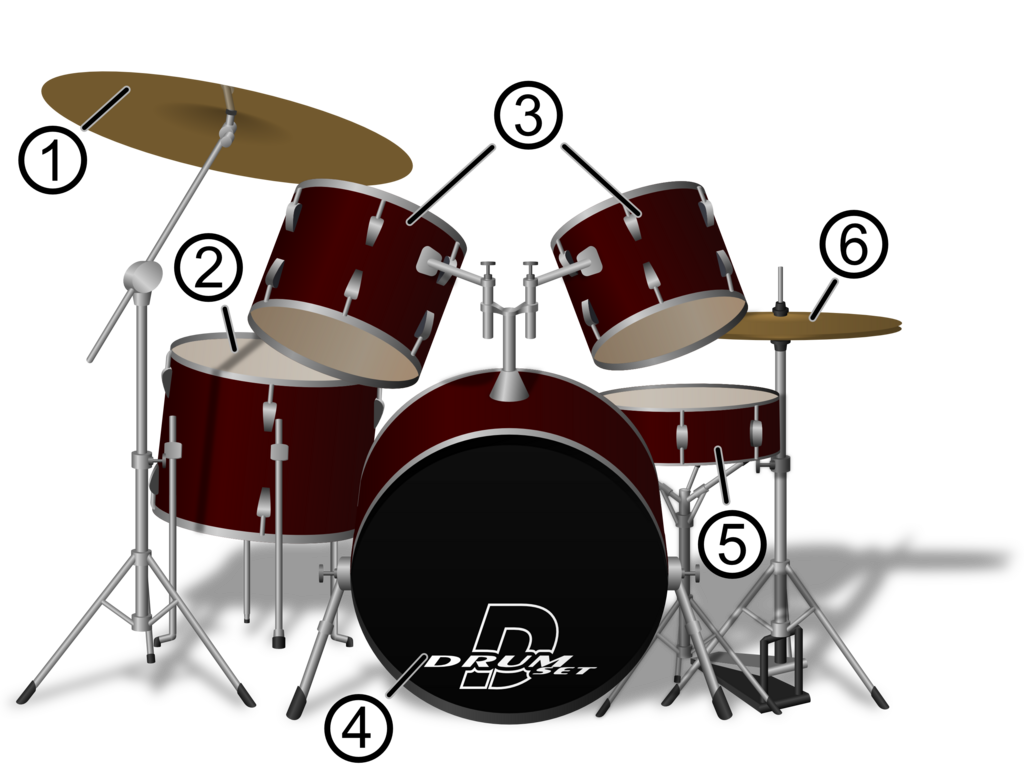
Next is the snare drum, which sits on its own stand directly in front of you, between your knees. Adjust the stand's height so the top rim of the snare is an inch or two above your kneecaps. Angle it slightly toward you. This makes it comfortable to strike the center of the drum and play rimshots.
Adding Toms and Cymbals
With the core in place, you can add the toms and cymbals. The goal is to create a setup where you can move from one piece to another smoothly.
The hi-hat stand goes to the left of your snare. Your left foot should rest on its pedal just as comfortably as your right foot rests on the bass drum pedal. Adjust the height of the cymbals so your right hand can move easily between the hi-hat and the snare without your hands colliding.
Mount the rack toms, the smaller toms, on top of the bass drum. Position them close to each other and angle them toward your chest. You should be able to strike them easily without leaning forward or overextending your arms. The floor tom, the largest tom, sits on the floor to your right. Keep it at roughly the same height and angle as your snare drum.
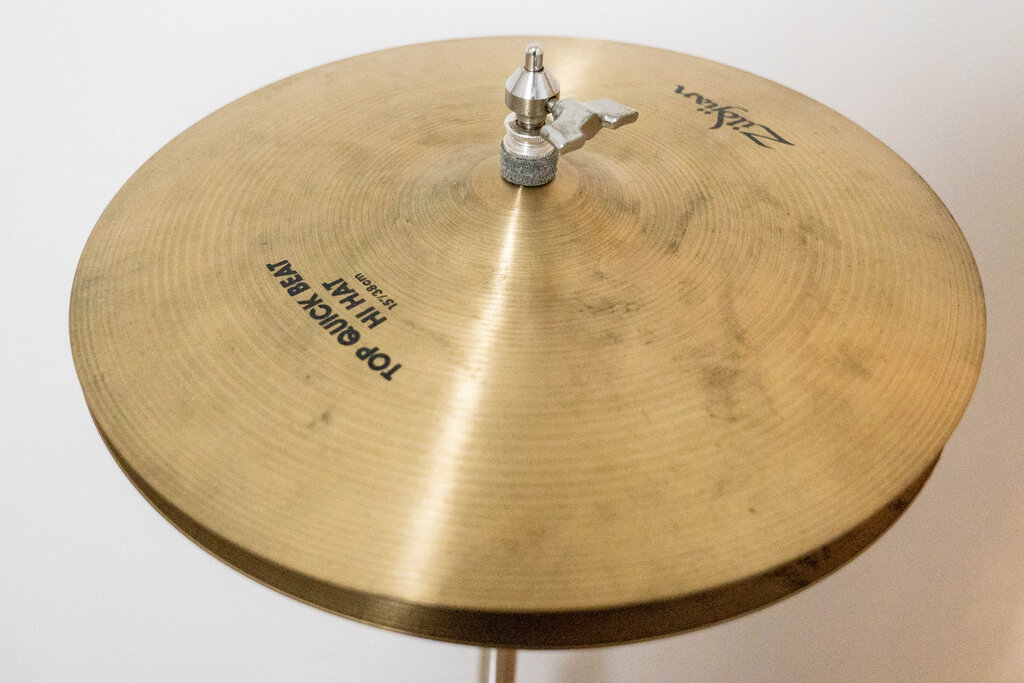
Finally, add the ride and crash cymbals. The ride cymbal typically goes on the right side, just above the floor tom. Position it so you can comfortably play the bell and the bow (the main surface) of the cymbal. The crash cymbal usually goes on the left, above and slightly behind the hi-hat. Don't place anything so high that you have to reach up, or so far that you have to lean. Everything should be within a natural, relaxed range of motion.
Think of your setup as an arc around your body. Every drum and cymbal should be an easy stick-tip away.
Take a moment to test your setup. Sit down and move your hands and feet around the kit. Can you reach everything without straining? If not, make small adjustments. A comfortable setup is personal and will evolve as you play more.
When setting up your drum throne, what is the ideal leg position to aim for?
What is the primary purpose of the spurs on a bass drum?
Now that your kit is set up for comfort and efficiency, you're ready to start playing.