Introduction to Driving
Vehicle Controls
Getting to Know Your Cockpit
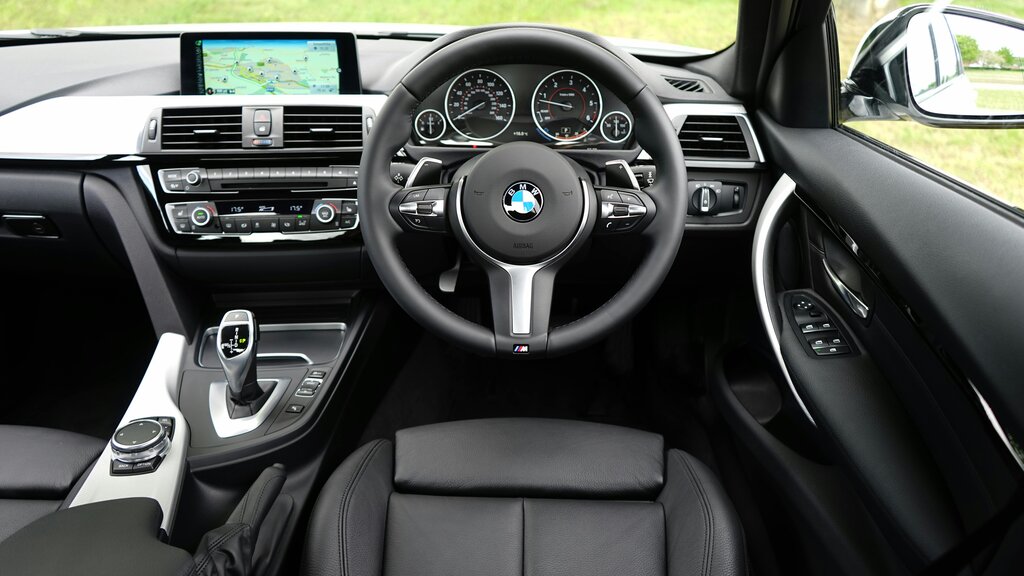
Before you even start the engine, the first step to becoming a safe driver is understanding the controls at your disposal. Think of the driver's seat as your command center. Everything you need to control the vehicle is within reach. Let's walk through the essential components one by one, so you feel comfortable and confident before hitting the road.
Steering and Speed
The most prominent control is the steering wheel. It directs the front wheels, and therefore, the car. A gentle turn is all you need for gradual curves, while tighter turns require more rotation. For optimal control, it's best to hold the wheel with both hands, imagining it's a clock face and placing your hands at the '9' and '3' positions.
At your feet, you'll find two or three pedals. In every car, the pedal on the right is the accelerator, also known as the gas pedal. The more you press it, the more fuel goes to the engine, and the faster you go. The large pedal to its left is the brake. It slows the car down. Applying the brake requires more pressure than the accelerator, and learning to press it smoothly is a key skill.
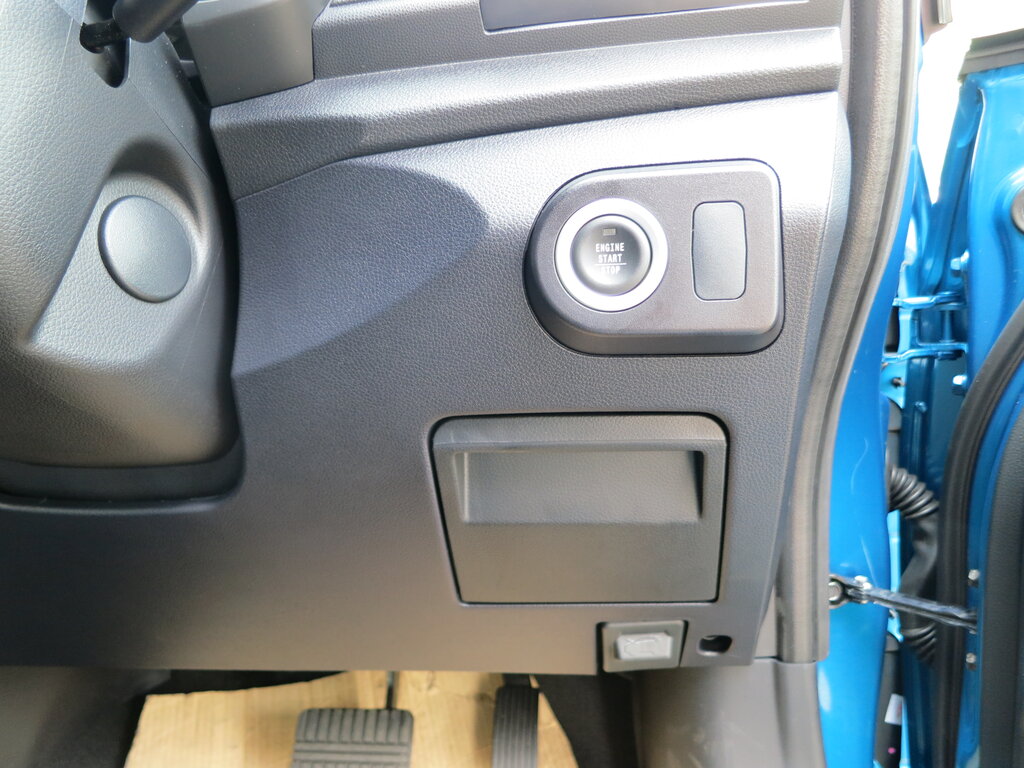
If you see a third pedal to the left of the brake, you're in a car with a manual transmission. This is the clutch.
clutch
noun
A pedal that engages and disengages the engine from the transmission, allowing the driver to change gears.
To change gears in a manual car, you must press the clutch pedal down completely with your left foot. This disconnects the engine's power from the wheels, allowing you to move the gear shift smoothly into the next gear. Once the new gear is selected, you slowly release the clutch while gently pressing the accelerator.
Changing Gears
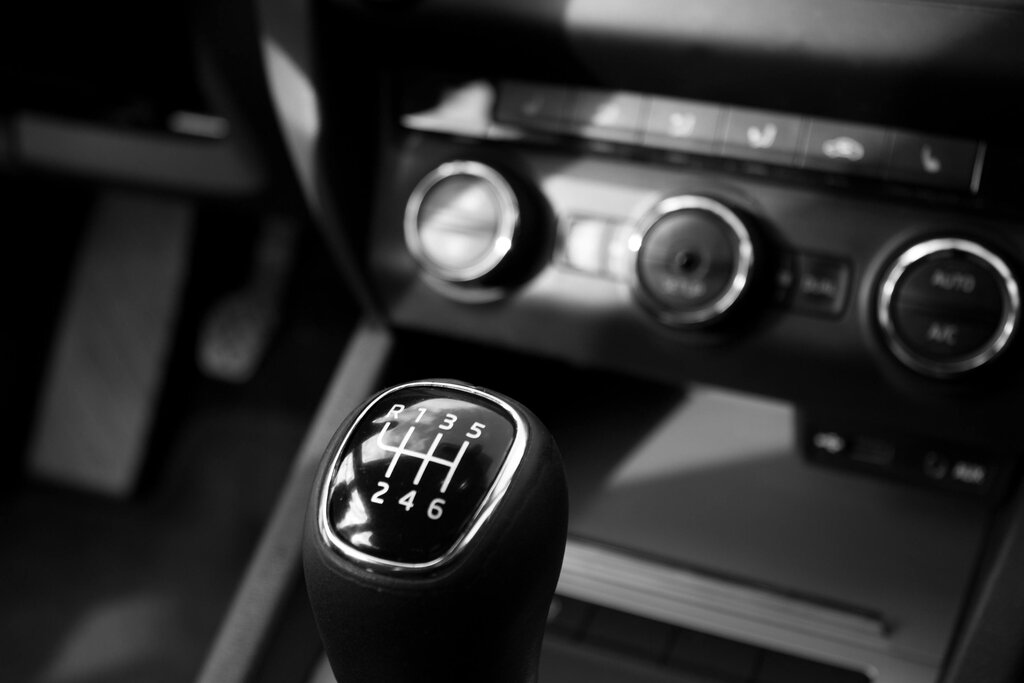
The gear shift (or gear selector) controls the transmission, managing the power sent from the engine to the wheels. In a manual car, it's a stick, usually between the front seats, that you move through a specific pattern to select gears.
Automatic transmissions make this process simpler. The gear selector in an automatic car has fewer options, which you select based on what you want the car to do.
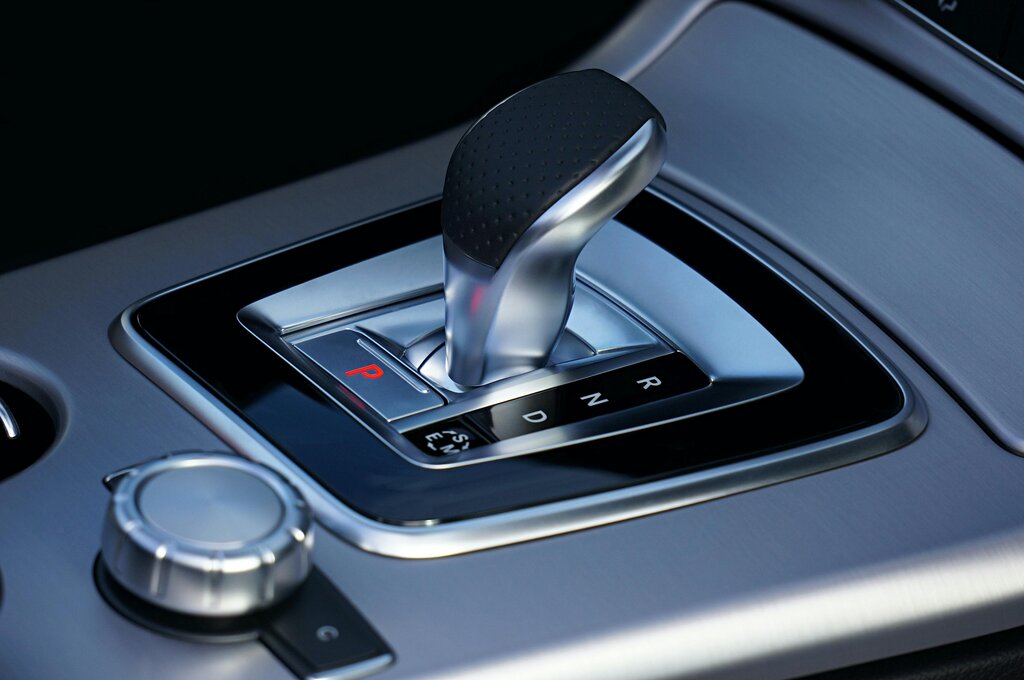
Here are the standard settings for an automatic transmission:
| Setting | Name | Function |
|---|---|---|
| P | Park | Locks the transmission. Use when the car is stopped and you're turning it off. |
| R | Reverse | Makes the car move backward. |
| N | Neutral | Disengages the transmission. The car can roll freely. |
| D | Drive | The car moves forward and automatically shifts gears as needed. |
Signals and Visibility
Other essential controls are located on stalks or levers attached to the steering column. The turn signal lever is usually on the left. Pushing it up signals a right turn, and pushing it down signals a left turn. This is how you communicate your intentions to other drivers.
The same lever, or one on the right, often controls the headlights and windshield wipers. You can typically twist the end of the stalk to turn on your headlights, which have settings for low beams (normal night driving) and high beams (for very dark, empty roads).
Windshield wipers are activated by pushing the stalk up or down, with different levels for adjusting the speed to match the intensity of the rain.
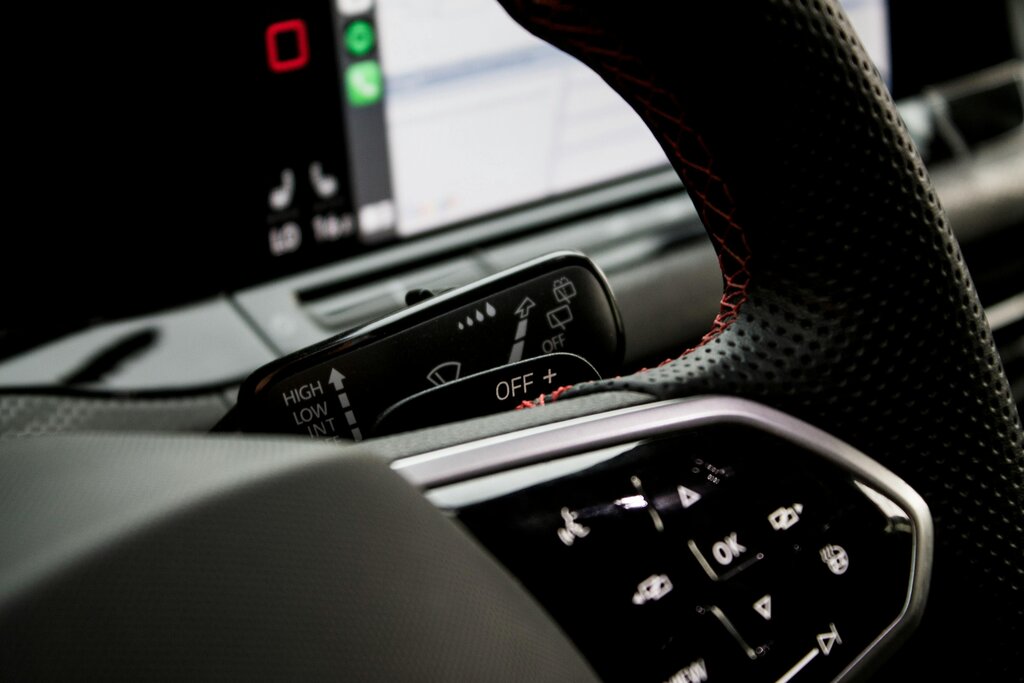
Finally, take a look at the dashboard, also called the instrument cluster. This is your car's main information display. It houses several important indicators:
Speedometer: Shows your current speed. Tachometer: Shows engine speed in revolutions per minute (RPM). Fuel Gauge: Shows how much fuel is left in the tank. Warning Lights: These symbols light up to alert you to potential issues, like low oil pressure, an engine problem, or an unbuckled seatbelt.
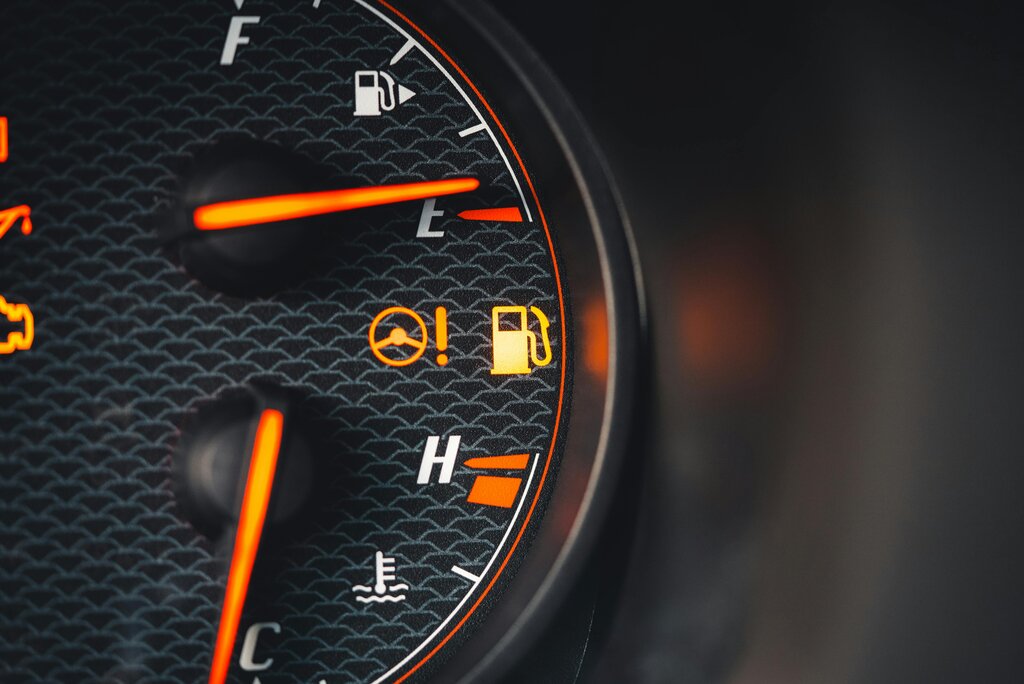
It's a good idea to check your car's owner's manual to learn the specific meaning of each warning light.
What is the recommended hand position on the steering wheel for optimal control, based on imagining it's a clock face?
In a car with an automatic transmission, which pedal will you NOT find at your feet?
Understanding these basic controls is the first and most important step in learning to drive. Once you're comfortable with what everything does, you'll be ready to start the car and practice using them.