Introduction to Digital Media
Introduction to Digital Media
What Is Digital Media?
At its core, digital media is any form of media that uses electronic devices for its creation, distribution, and viewing. Think of the news articles you read on your phone, the videos you stream online, or the music you listen to through an app. All of it is digital media.
Digital Media
noun
Content (text, audio, video, images) that is created, viewed, distributed, and stored in digital, machine-readable formats.
Unlike traditional media, which is often physical and static, digital media is fluid and dynamic. The key is that the information is encoded in a way that computers can read and process. This simple fact opens up a world of possibilities for how we interact with information.
Digital vs. Traditional Media
The shift from traditional to digital media represents a fundamental change in how we communicate. Traditional media, like newspapers, printed books, and broadcast television, generally involves a one-way flow of information. A publisher prints a book, a studio broadcasts a show, and the audience consumes it. There's a clear separation between the creator and the consumer.
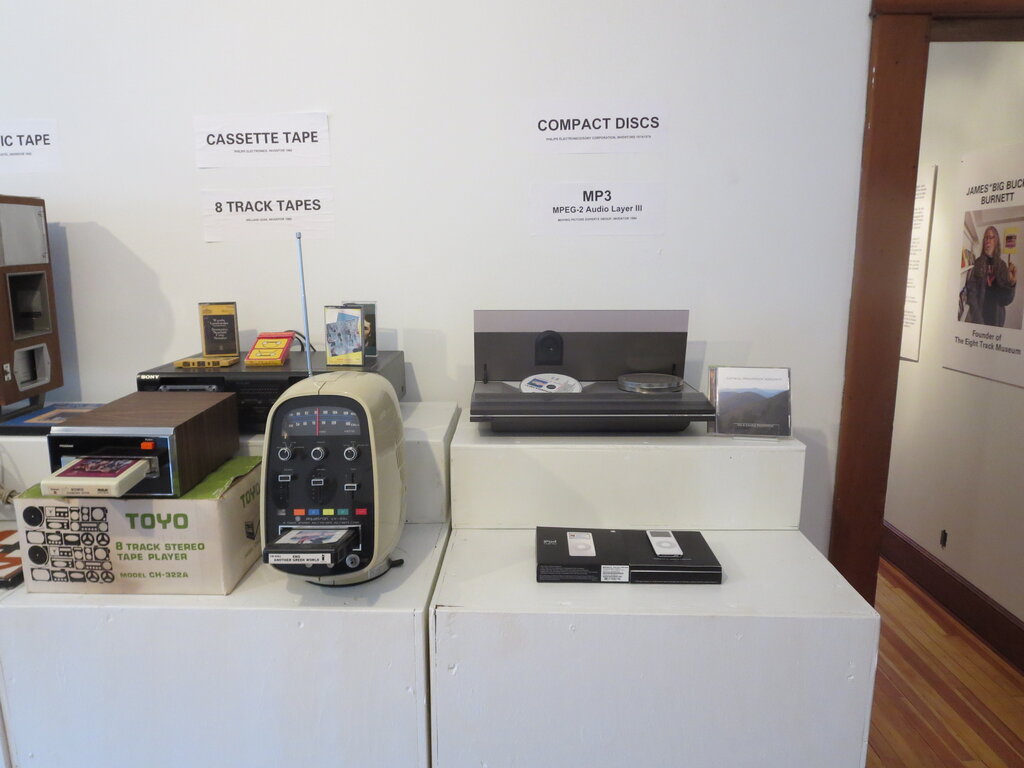
Digital media, on the other hand, is built on interactivity. You don't just read an article; you can comment on it, share it, and click links to explore related topics. This creates a two-way conversation, blurring the lines between creator and consumer. Digital formats also allow for easy copying and modification, which is a major departure from the fixed nature of traditional media.
| Feature | Traditional Media | Digital Media |
|---|---|---|
| Interaction | One-way (passive) | Two-way (interactive) |
| Audience | Mass, general | Niche, targeted |
| Delivery | Physical/Analog | Digital/Instant |
| Longevity | Fixed, permanent | Dynamic, updatable |
| Cost | High production cost | Low barrier to entry |
The Rise of Digital
The journey to our current digital world didn't happen overnight. It began with the development of computers in the mid-20th century. Early computers were massive machines, but the invention of the transistor and the integrated circuit paved the way for smaller, more powerful devices.
The creation of the personal computer in the 1970s and 1980s brought digital technology into homes and offices. But the true explosion of digital media came with the popularization of the World Wide Web in the 1990s. Suddenly, anyone with an internet connection could access a global network of information and publish their own content.
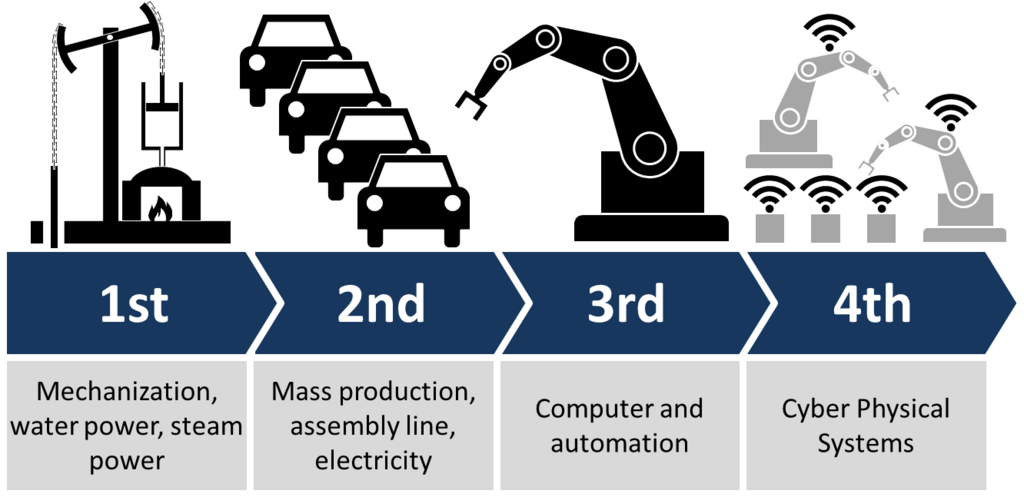
This led to a rapid succession of innovations: search engines that organized the web's vast content, social media platforms that connected people in new ways, and smartphones that put a powerful computer in everyone's pocket. Each step made digital media more accessible, integrated, and essential to modern life.
Impact on Society and Culture
The impact of digital media is hard to overstate. It has fundamentally changed how we learn, work, play, and connect with each other. Information is no longer controlled by a few large institutions. News can break on social media in seconds, and social movements can organize and spread across the globe with incredible speed.
Digital media has democratized the creation and distribution of information, giving a voice to individuals and groups who were previously unheard.
Culturally, digital media has fostered global communities around shared interests, from video games to niche hobbies. It allows for the instant sharing of art, music, and ideas across borders, creating a more interconnected global culture.
At the same time, this constant connectivity has raised new questions about privacy, the spread of misinformation, and the nature of social interaction. Our relationship with media is more personal and complex than ever before.
What is the defining characteristic of digital media?
How does the flow of information in digital media primarily differ from that of traditional media?