Introduction to Digital Marketing
Digital Marketing Basics
What Is Digital Marketing?
Digital marketing is any marketing effort that uses an electronic device or the internet. Businesses leverage digital channels such as search engines, social media, email, and their websites to connect with current and prospective customers.
Think about the last time you bought something. Did you see an ad for it on Instagram? Did you search for reviews on Google? Maybe you got a promotional email from the brand. If so, you’ve experienced digital marketing firsthand. It's how modern businesses communicate, build relationships, and drive sales.
Digital vs. Traditional Marketing
Traditional marketing includes the methods you’re likely familiar with from before the internet dominated our lives: print ads in magazines, billboards on the highway, TV commercials, and radio spots. These methods broadcast a message to a massive, general audience, hoping to catch the right people at the right time.
Digital marketing is different. It's often a two-way conversation. Instead of just pushing a message out, brands can interact with their audience, get feedback, and build a community. It's more direct, personal, and much easier to measure.
| Feature | Traditional Marketing | Digital Marketing |
|---|---|---|
| Audience | Broad, general | Specific, targeted |
| Interaction | One-way message | Two-way conversation |
| Cost | Often high with uncertain ROI | More cost-effective, scalable |
| Measurement | Difficult and often indirect | Precise, real-time data |
Traditional marketing talks at people. Digital marketing talks with them.
The Benefits of Going Digital
Businesses are shifting their focus to digital channels for a few key reasons. The biggest advantages are the ability to target specific people, measure results accurately, and make the most of a marketing budget.
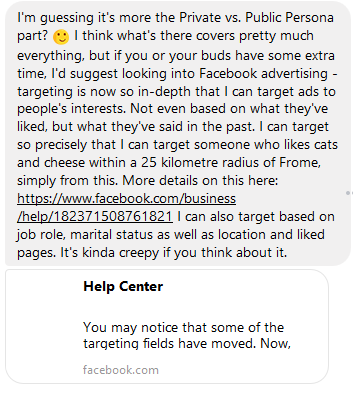
With digital marketing, you can show your ads to people who have specific interests, live in a certain area, or are a particular age. This precision means you aren't wasting money advertising to people who are unlikely to be interested in your product. Every dollar is spent more effectively.
Furthermore, you can track nearly every aspect of a campaign. You can see how many people saw your ad, clicked on it, and how many made a purchase. This data allows you to see what's working and what isn't, so you can adjust your strategy on the fly.
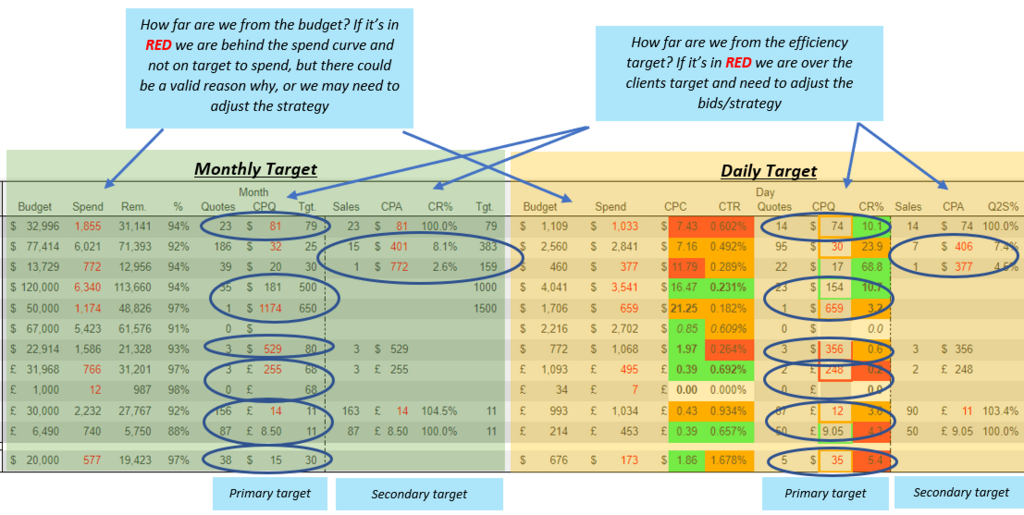
This leads to better cost-effectiveness. Whether you have a small or large budget, digital marketing allows you to find a tactic that fits. You can start small, test different approaches, and scale what works, ensuring a better return on your investment.
A Quick Tour of the Channels
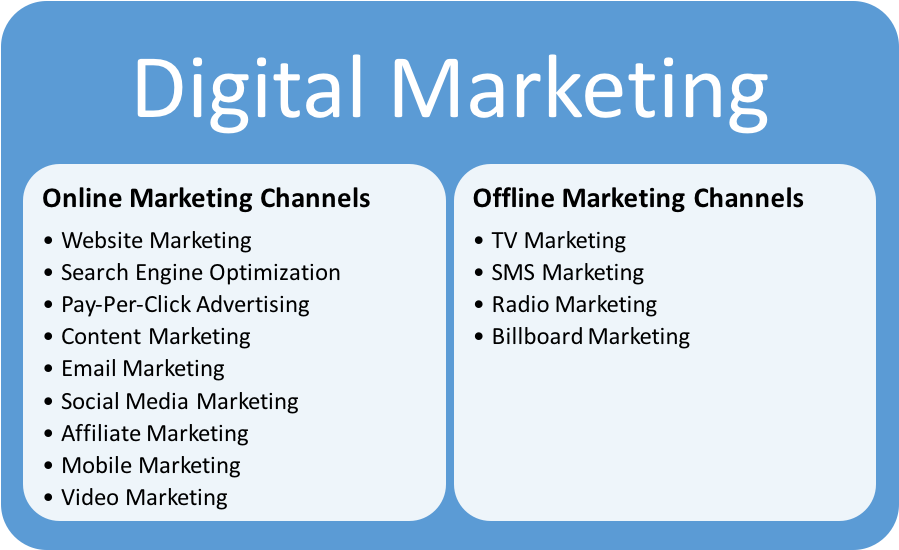
Digital marketing isn't just one thing; it's a collection of different channels and strategies. Here are some of the most common ones you'll encounter:
Search Engine Optimization (SEO): This is the process of optimizing your website to rank higher in search engine results, like on Google. The higher you rank, the more likely people are to find you.
Content Marketing: Creating and sharing valuable free content—like blog posts, videos, and podcasts—to attract and retain an audience, and ultimately, to drive profitable customer action.
Social Media Marketing: Using social media platforms like Instagram, Facebook, and LinkedIn to promote a product or service, build a community, and engage with customers.
Pay-Per-Click (PPC) Advertising: This involves paying a fee each time one of your ads is clicked. The most popular type of PPC is search engine advertising, where you can pay for top slots on Google's search results.
Email Marketing: A way of communicating with your customers directly in their inbox. It's used to promote content, share discounts, and direct people toward your website.
Each channel has its own strengths, and they often work best when used together as part of a broader strategy.