Introduction to DevOps
Introduction to DevOps
What is DevOps?
The term DevOps is a blend of “development” and “operations.” At its core, it’s a mindset and a set of practices that bring these two traditionally separate teams together. The goal is simple: to build, test, and release software faster and more reliably.
Historically, development and operations teams had conflicting goals. Developers wanted to push out new features quickly to add value for users. The operations team, responsible for keeping the systems stable, preferred less frequent changes to minimize the risk of something breaking. This created a natural tension, often leading to slow release cycles and a lot of finger-pointing when things went wrong.
Think of it like a wall between the two teams. Developers would finish their work and toss it over the wall to operations, who were then left to figure out how to make it run. DevOps aims to tear down that wall.
This movement grew out of the Agile software development philosophy, which emphasized iterative development and customer feedback. Practitioners realized that for Agile to be truly effective, the collaboration couldn't stop at the development team. It needed to extend all the way through to deployment and maintenance.
Why It Matters Today
In today's competitive landscape, the ability to release high-quality software quickly is a major advantage. Users expect constant improvements and near-perfect uptime. Companies that can't keep up get left behind. DevOps isn't just a nice-to-have; it's a fundamental part of how modern software is built.
By uniting development and operations, teams can work together to automate and streamline the entire software delivery process. This leads to several key benefits:
| Benefit | Description |
|---|---|
| Increased Speed | Deliver new features to customers more frequently and with shorter lead times. |
| Improved Reliability | With more frequent, smaller releases, it's easier to pinpoint and fix issues. |
| Better Collaboration | Teams share ownership and work together, reducing friction and improving morale. |
| Enhanced Quality | Integrating testing throughout the process results in a more stable and higher-quality product. |
Ultimately, DevOps helps organizations respond to market changes faster and serve their customers more effectively.
It's All About Culture
While tools and automation are a big part of DevOps, they aren't the starting point. The real foundation is a cultural shift. Without a change in mindset, even the best tools will fail to deliver the promised benefits.
DevOps is not just a set of tools; it's a cultural shift.
This cultural change revolves around a few core ideas:
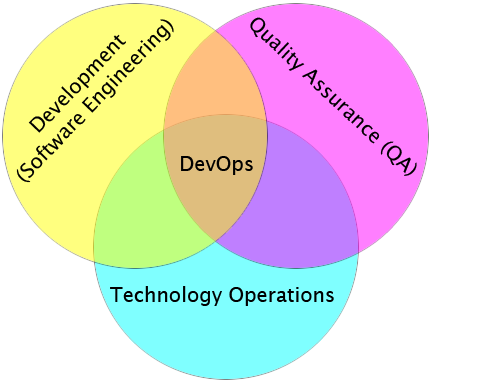
Shared Responsibility: Instead of separate roles, the entire team is responsible for the product from start to finish. Developers don't just write code; they think about how it will be deployed and maintained. Operations staff don't just manage servers; they provide feedback early in the development cycle.
Breaking Down Silos: Communication and collaboration are paramount. Teams are encouraged to work together, share knowledge, and solve problems collectively. This creates a more transparent and efficient workflow.
Continuous Improvement: DevOps culture embraces learning from failure. Instead of blaming individuals when something goes wrong, the focus is on understanding the root cause and improving the process to prevent it from happening again.
Adopting this mindset is the first and most important step on the journey to implementing DevOps.
What is the primary goal of the DevOps methodology?
Historically, what was the main source of tension between development and operations teams?