Introduction to Design Thinking
Introduction to Design
More Than Making Things Pretty
Design is the process of intentionally creating something that solves a problem or serves a purpose. It's not just about how something looks. It's about how it works, how it feels, and how it connects with people. From the chair you're sitting in to the app you're using to read this, every element was designed with a goal in mind.
Design is more than just making things look pretty; it’s about creating an experience that feels intuitive and engaging.
Good design is often invisible. When a product works seamlessly, we don't notice the countless decisions that went into its creation. We only tend to notice design when it's bad—a confusing website, an uncomfortable handle, or a door that's unclear whether you should push or pull. This is because effective design is fundamentally about communication between the object and the user.
A Brief History
While humans have been designing tools for millennia, the formal discipline of design is much younger. It truly took off during the Industrial Revolution in the 18th and 19th centuries. Mass production separated the designer from the maker for the first time. Suddenly, a single person could design an object that would be produced thousands of times.
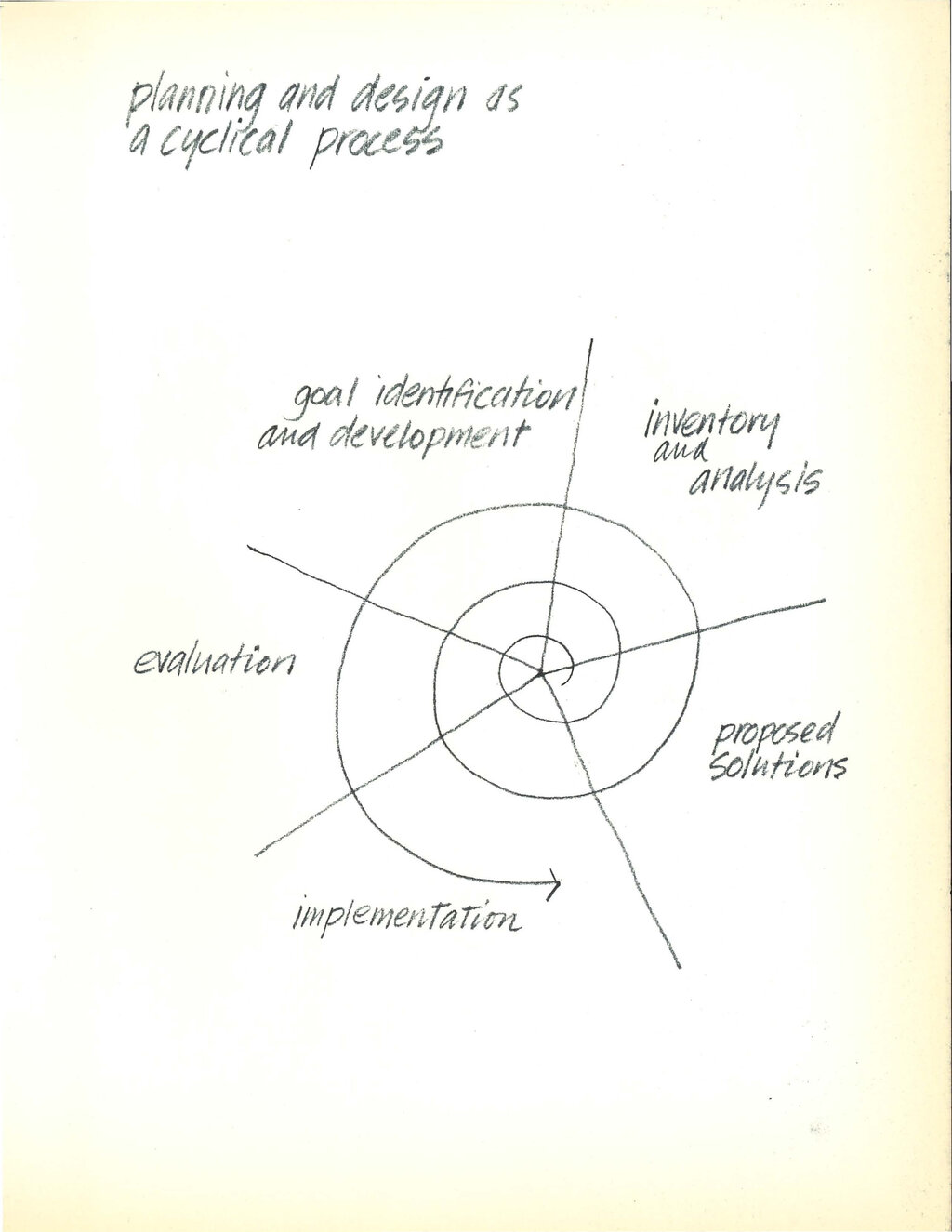
The 20th century saw the rise of design movements like the Bauhaus school in Germany, which championed the idea that form should follow function. They stripped away unnecessary ornamentation in favor of clean, simple, and useful objects. This philosophy laid the groundwork for modernism and continues to influence designers today.
The digital revolution of the late 20th and early 21st centuries shifted the focus again. With the rise of computers and the internet, design expanded into the virtual world. Fields like user interface (UI) and user experience (UX) design emerged to tackle the new challenge of creating intuitive digital products and services.
Guiding Principles
While specific design fields have their own rules, a few core principles are universal. These are the basic building blocks that help designers create work that is both effective and aesthetically pleasing.
| Principle | Description |
|---|---|
| Hierarchy | Arranging elements to show their order of importance. It guides the viewer's eye to what matters most. |
| Balance | The distribution of visual weight in a composition. It can be symmetrical, asymmetrical, or radial. |
| Contrast | Using differences in color, size, or shape to create visual interest and draw attention to certain elements. |
| Repetition | Reusing the same or similar elements throughout a design to create consistency and unity. |
| Proximity | Grouping related elements together to create a relationship between them. |
| Alignment | Placing items so their edges line up along a common row or column. This creates a clean, organized look. |
These principles aren't rigid rules but rather a set of guidelines. A skilled designer knows when to follow them and when to break them to create a desired effect.
Design's Impact on Society
Design shapes our world in profound ways. It influences our behavior, our choices, and even our well-being. Thoughtful urban planning can encourage walking and community interaction, while poorly designed systems can create frustration and inefficiency.
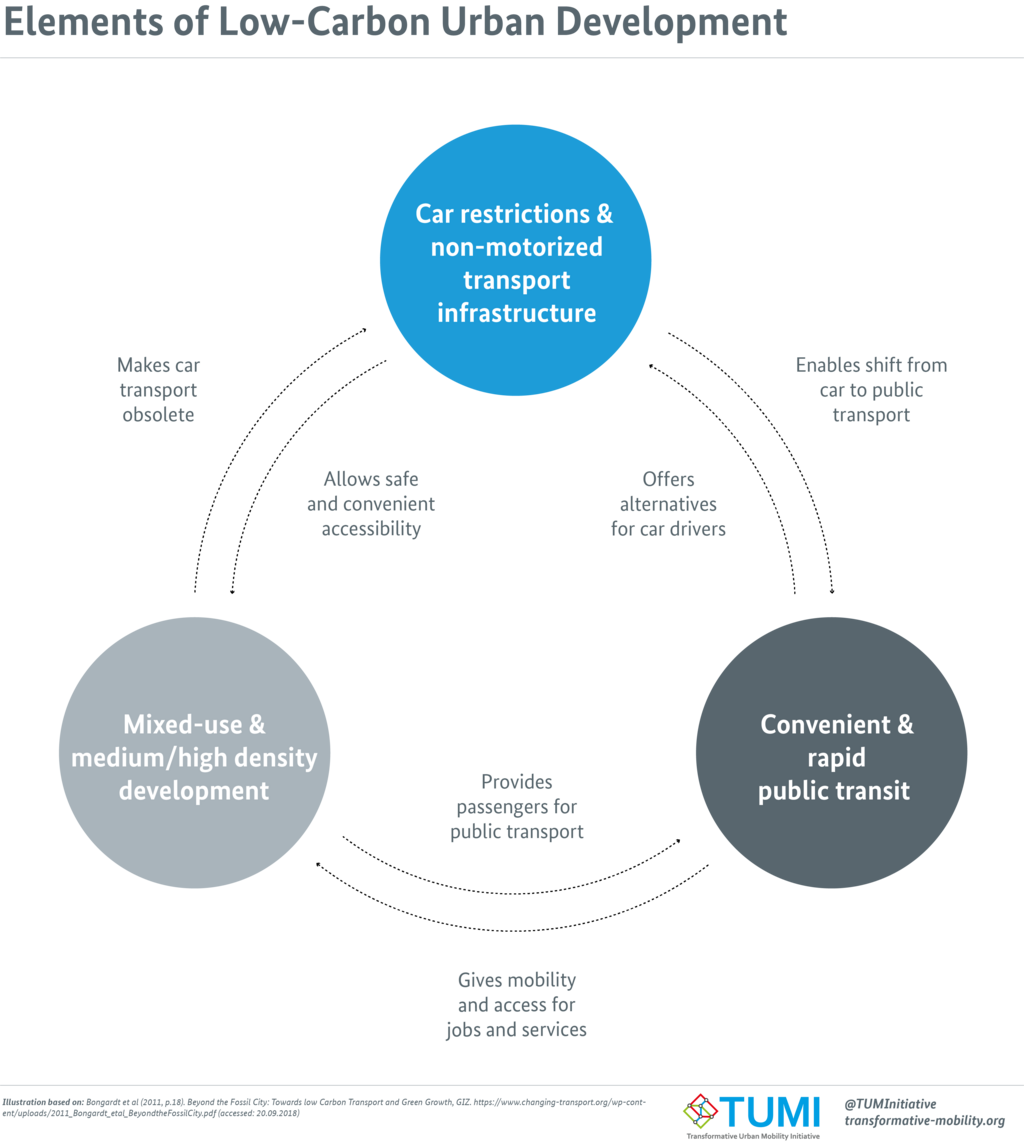
From inclusive product design that ensures accessibility for people with disabilities to the ethical design of technology that respects user privacy, design is a powerful tool. It has the potential not just to solve problems, but to build a better, more equitable, and more sustainable world. Every designed object carries with it the values and intentions of its creator.
What is the fundamental purpose of design?
What major historical event first separated the role of the designer from the role of the maker, leading to the rise of design as a formal discipline?