Introduction to Design Engineering
Introduction to Design Engineering
What Is Design Engineering?
Design engineering is the creative process of solving problems. It's about taking a fuzzy idea and turning it into a real, tangible solution, whether that's a new smartphone, a more efficient coffee maker, or a life-saving medical device. Engineers use a blend of science, math, and creativity to design, build, and test new products and systems.
Engineering is fundamentally the systematic application of scientific and mathematical principles to design, build, and maintain structures, machines, systems, and processes that solve practical problems and improve human life.
At its core, design engineering is about making things that work for people. It bridges the gap between a need and a solution. Without it, innovative ideas would just remain ideas. This discipline is what makes progress possible, transforming how we live, work, and interact with the world around us.
The Product Development Journey
Every product goes through a journey from concept to launch, often called the product development lifecycle. While the exact steps can vary, the process generally follows a clear path to ensure the final product is successful.
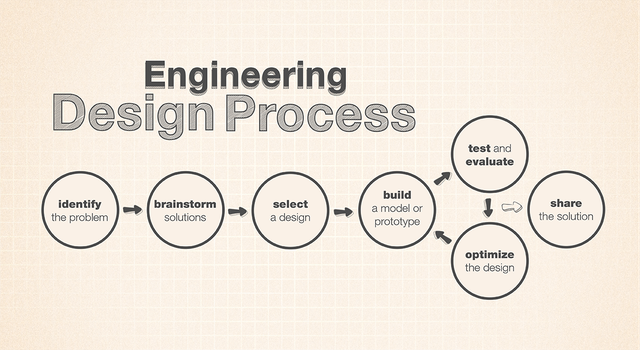
The lifecycle typically begins with identifying a problem or an opportunity. This leads to brainstorming and ideation, where many potential solutions are generated. The most promising ideas are then developed into more detailed designs. From there, prototypes are built and tested to see how well they work in the real world. Based on feedback, the design is refined and improved until it's ready for production and launch.
This structured approach ensures that development is efficient and that the final product actually solves the intended problem.
Designing for People
The best products are designed with the end-user in mind. This is the core idea behind Human-Centered Design (HCD), a methodology that puts people at the forefront of the design process. Instead of creating a product and then trying to sell it to people, HCD starts by deeply understanding the user's needs, behaviors, and motivations.
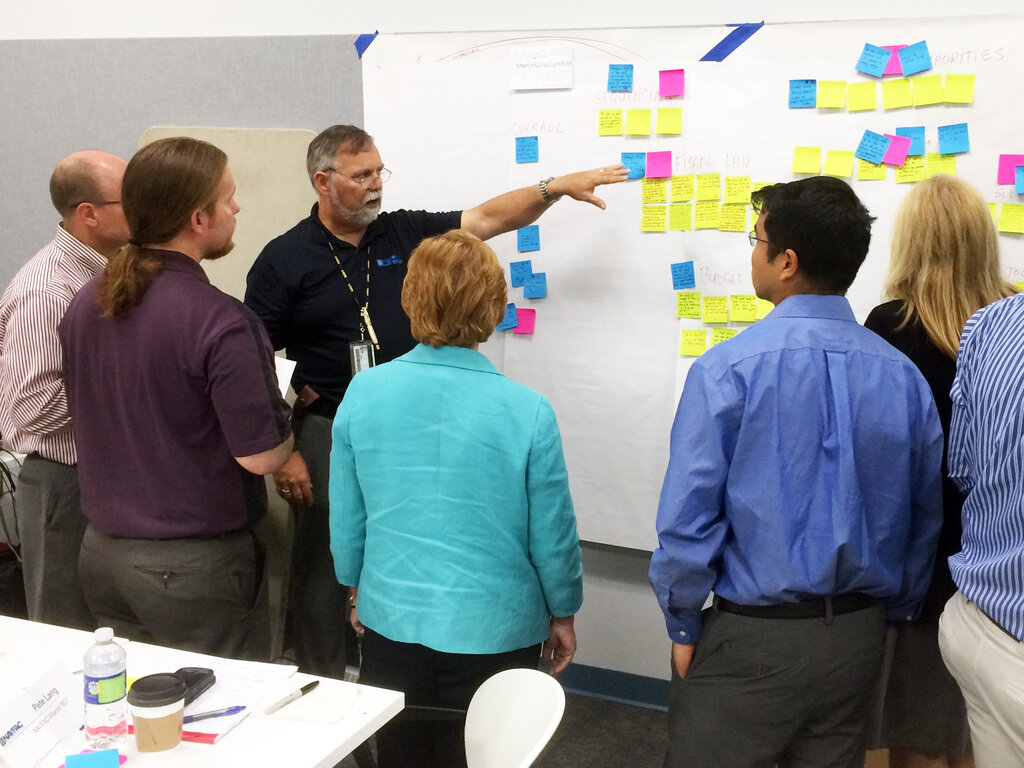
Design Thinking is a popular framework for practicing HCD. It provides a structured, iterative approach to problem-solving that helps teams navigate the complexities of innovation. It's less a rigid set of rules and more a flexible mindset for tackling challenges.
Finding a solution to a problem includes the following five phases: Empathize Learn about the people for whom you are designing. Conduct research to develop a deeper understanding of your users. Define Create a point of view that is based on user needs and insights. Ideate Brainstorm and come up with as many creative solutions as possible. Generate a range of potential solutions by giving yourself and your team total freedom. Prototype Build a prototype (or series of prototypes) to test your hypothesis. Creating a prototype lets designer see if they’re on the right track, and it often sparks different ideas that you wouldn’t have come up with otherwise. Test Return to your users for feedback.
By following these steps, design engineers can ensure they are not just building something that is technically sound, but something that is truly useful, usable, and desirable for the people who will ultimately use it.
What is the primary goal of design engineering?
Which of these represents the typical starting point of the product development lifecycle?
In essence, design engineering is a disciplined yet creative field focused on creating thoughtful, effective solutions to real-world problems.