Introduction to Design Engineering
Introduction to Design Engineering
From Idea to Reality
Design engineering is the creative process of turning an abstract idea into a tangible solution. It’s about more than just making something look good; it’s about making it work. Think of a design engineer as a bridge between a brilliant concept and a real-world product that people can use.
Design Engineers are responsible for taking conceptual design ideas and turning them into reality, adhering to budget constraints, production capabilities, and functionality requirements.
This field blends art, science, and technology. A design engineer must consider a product's function, its aesthetics, and the practicalities of making it. Can it be manufactured efficiently? Is it affordable? Is it safe and easy to use? Answering these questions is at the heart of design engineering.
The Engineer's Role
A design engineer wears many hats. They are researchers, artists, scientists, and project managers all at once. Their main job is to guide a product from its initial spark of inspiration to a finished item ready for the world. This involves sketching concepts, creating detailed technical drawings, and building prototypes to test their ideas.
Prototype
noun
An early sample, model, or release of a product built to test a concept or process.
They don't work in a vacuum. A design engineer is a central connector between many different teams. They collaborate with marketers to understand customer needs, with manufacturing experts to figure out how to build the product, and with materials scientists to choose the right components. They balance these different perspectives to find the best possible solution.
Putting People First
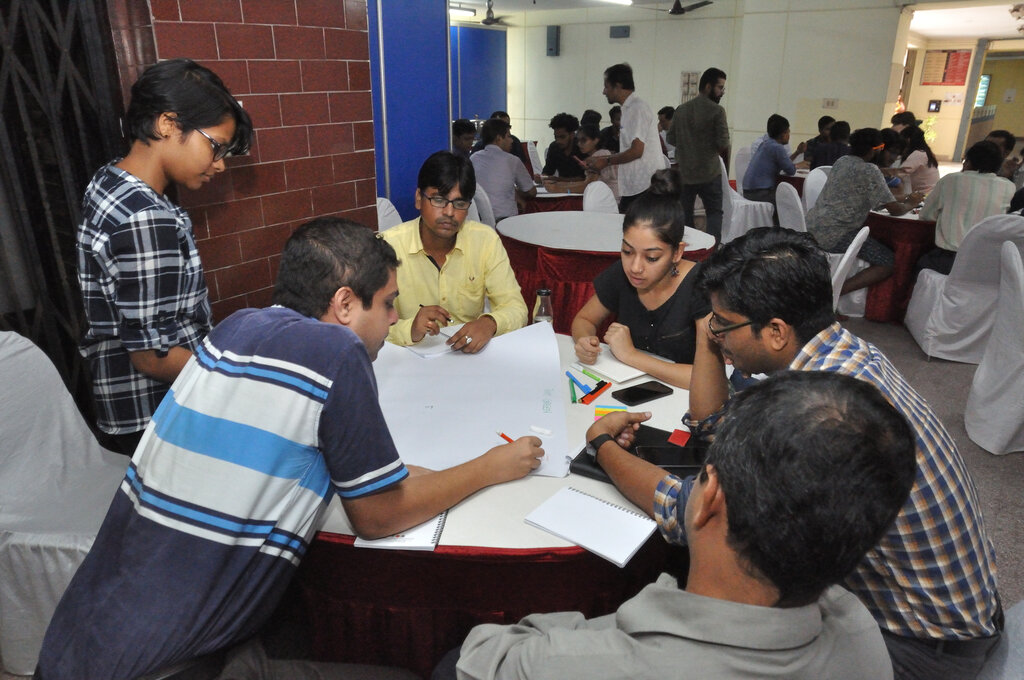
Great design solves problems for people. This simple idea is the foundation of human-centered design. Instead of starting with a technical specification or a business goal, this approach starts with empathy. Design engineers spend time understanding the people they are designing for. What are their frustrations? What are their needs? What would make their lives easier or more enjoyable?
By focusing on the end-user's experience, engineers create products that are not only functional but also intuitive and desirable.
This human-centered focus is a crucial part of the design process. It ensures that the final product isn't just a clever piece of engineering, but a valuable solution that truly resonates with its intended audience.
At a high level, the design process can be broken down into three main phases:
-
Conceptualization: This is the brainstorming phase. It starts with identifying a problem or need. Engineers generate a wide range of ideas, no matter how wild, to find potential solutions.
-
Planning: Once a promising concept is chosen, the planning begins. This involves detailed sketches, computer-aided design (CAD) models, and selecting materials. Engineers create a clear roadmap for how the concept will be developed.
-
Execution: Here, the plan is put into action. Prototypes are built and rigorously tested. Based on feedback, the design is refined and improved through several iterations until it meets all the requirements.
Now, let's test your understanding of these core concepts.
What is the primary goal of design engineering?
The design engineering approach that prioritizes understanding the end-user's needs, frustrations, and goals is known as:
This iterative cycle of thinking, planning, and doing is what allows design engineers to tackle complex challenges and create the products and systems we rely on every day.