Introduction to Dentistry
Introduction to Oral Health
Your Mouth, A Window to Your Health
Your oral health is more than just a bright smile. It’s a vital part of your overall well-being. The mouth is full of bacteria, most of which are harmless. But it's also the entry point to your digestive and respiratory tracts, and some of these bacteria can cause disease.
“People must understand that your mouth is the main gateway to your general health, so looking after your oral health and doing regular checkups with your dentist and getting disease treated early is the best course of action.”
Your body's natural defenses and good oral health care, such as daily brushing and flossing, keep bacteria under control. However, without proper oral hygiene, bacteria can reach levels that might lead to oral infections, such as tooth decay and gum disease.
A Quick Tour of Your Mouth
To understand how to care for your mouth, it helps to know its basic parts. Your oral cavity is a complex system with several key players working together.
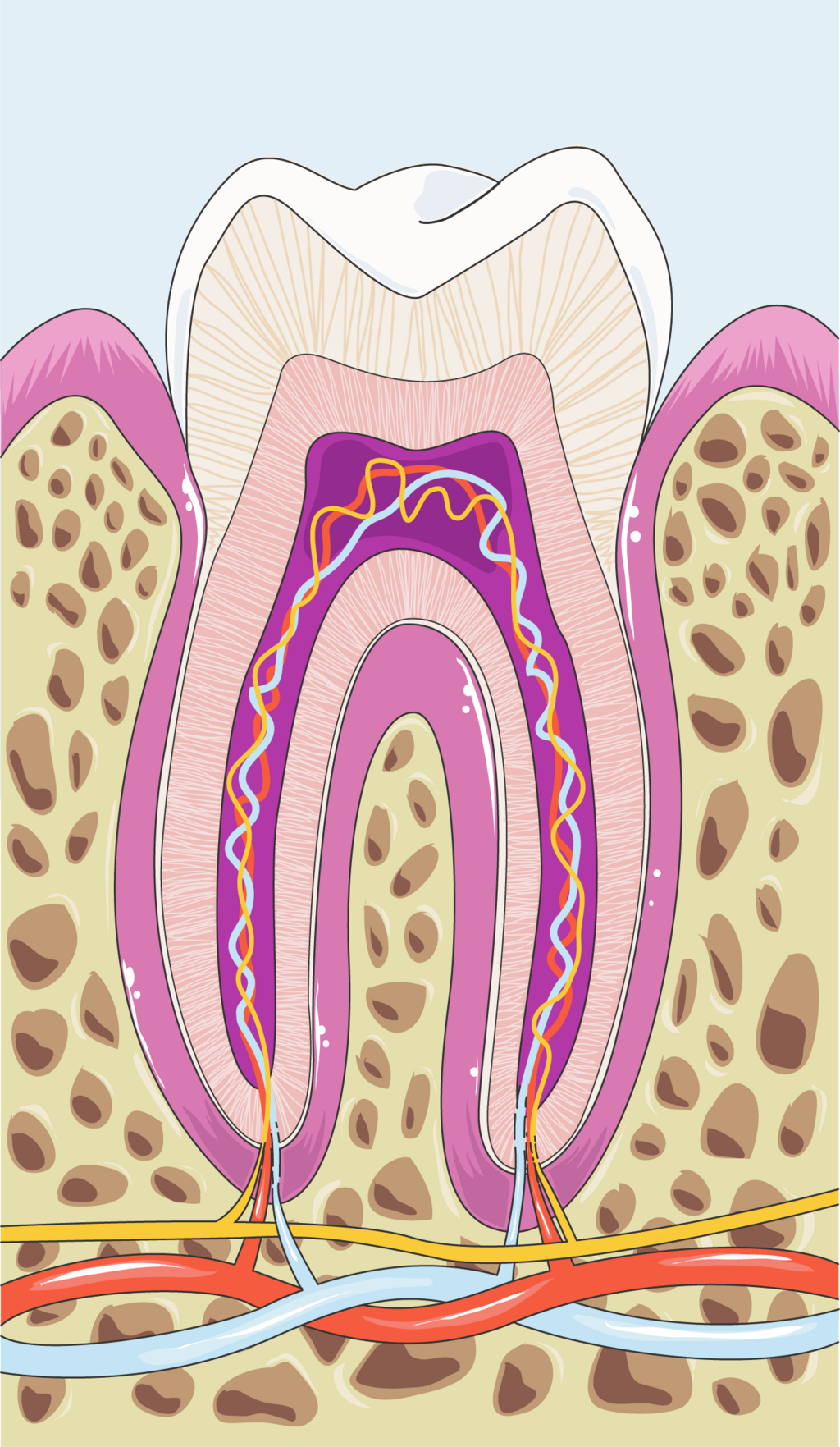
At the center of it all are your teeth. Each tooth has three main layers:
- Enamel: The hard, protective outer layer. It's the most mineralized substance in your body.
- Dentin: A layer of sensitive, porous tissue just beneath the enamel.
- Pulp: The soft inner core containing nerves and blood vessels.
Surrounding and supporting your teeth are the gums, or gingiva. Healthy gums are firm, pink, and fit snugly around the teeth. They create a seal that protects the tooth roots and underlying bone from bacteria. The teeth are anchored to the jawbone by the periodontal ligament, a group of connective tissue fibers.
Common Problems and How to Stop Them
Even with its strong defenses, your mouth is susceptible to a few common problems. The good news is that most are preventable.
The two most prevalent issues are cavities and gum disease. Both are caused by plaque, a sticky film of bacteria that constantly forms on your teeth.
Cavities, or tooth decay, happen when the bacteria in plaque feed on sugars from food and drinks, producing acids that eat away at tooth enamel. If left untreated, the decay can progress through the dentin and into the pulp, causing pain and infection.
Gum disease, or periodontal disease, is an infection of the tissues that hold your teeth in place. It typically starts as gingivitis, a milder form where the gums become red, swollen, and bleed easily. This is often caused by inadequate brushing and flossing. If gingivitis isn't treated, it can advance to periodontitis, where the gums pull away from the teeth, forming pockets that become infected. This can lead to bone loss and eventually, tooth loss.
Oral cancer is another serious concern. It can appear as a sore or growth that doesn't go away. Risk factors include tobacco use, heavy alcohol consumption, and infection with human papillomavirus (HPV). Early detection is key, which is one reason regular dental check-ups are so important.
Your Daily Care Routine
Maintaining good oral health comes down to a few simple, consistent habits. Think of it as a daily workout for your mouth.
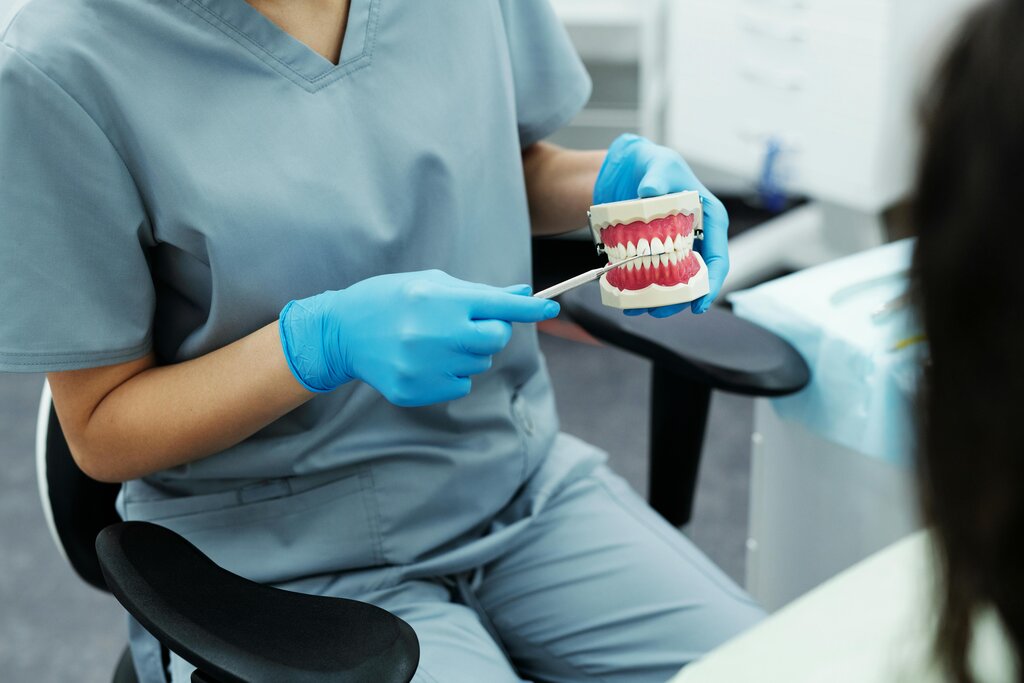
The cornerstone of any routine is brushing and flossing.
-
Brush Twice a Day: Use a soft-bristled toothbrush and fluoride toothpaste. Brush for two minutes, making sure to clean the outer, inner, and chewing surfaces of all your teeth. Angle the brush at 45 degrees toward the gum line to clean effectively.
-
Floss Daily: Flossing removes plaque and food particles from between your teeth and under the gum line, areas your toothbrush can't reach. Gently guide the floss between your teeth, curving it into a C-shape against each tooth and moving it up and down.
Beyond daily care, regular professional check-ups are essential. A dentist or dental hygienist can remove hardened plaque (tartar), spot early signs of trouble like cavities or gum disease, and screen for oral cancer. For most people, a visit every six months is recommended.
Which part of the tooth is the soft inner core that contains nerves and blood vessels?
What is the primary process that leads to the formation of cavities?
A consistent routine is your best defense against common dental problems and helps connect your oral health to your overall health.