Introduction to Deep Learning
Introduction to Deep Learning
Learning on a Deeper Level
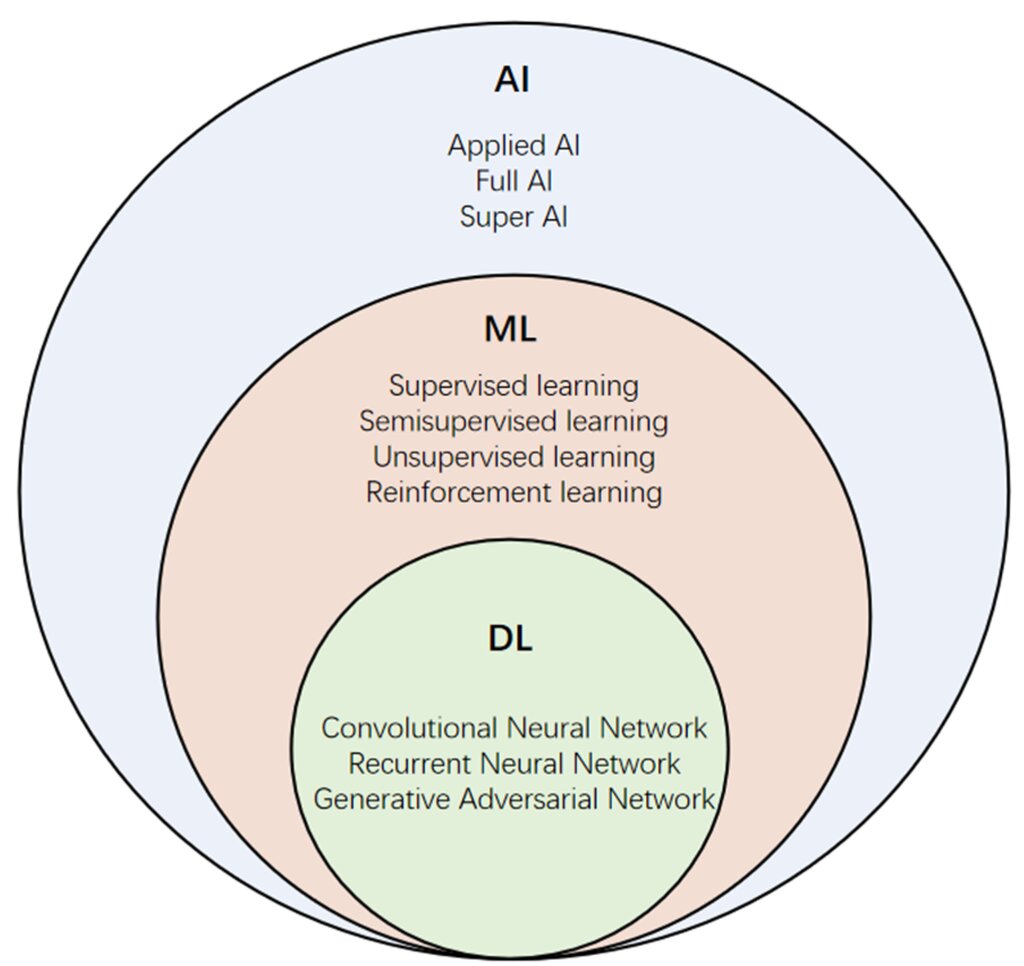
Deep learning is a specific type of machine learning that uses artificial neural networks with many layers to understand complex patterns. Think of it as giving a machine a brain-like structure to learn from vast amounts of information. It's a subset of machine learning, which itself is a subset of artificial intelligence.
Imagine teaching a toddler to recognize a cat. You don't give them a list of rules like "pointy ears, long tail, whiskers." You just show them cats—in books, in the park, on TV. Over time, their brain wires itself to identify the features of a cat without explicit instructions. Deep learning models work in a similar way, but with data instead of real-world experiences.
An Old Idea's New Power
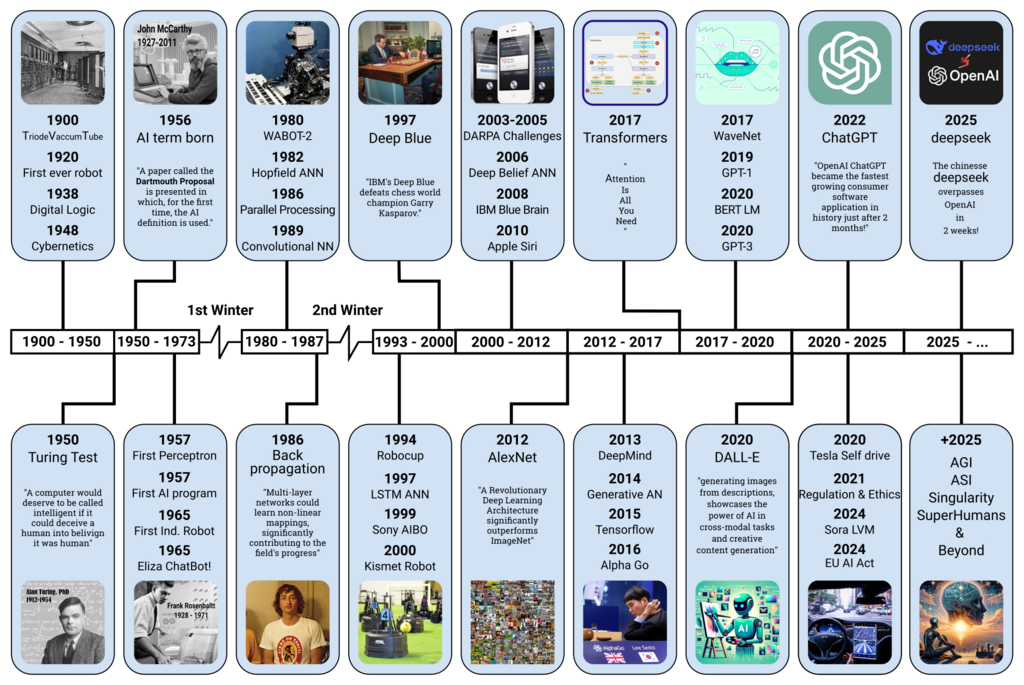
The core ideas behind deep learning aren't new. The concept of artificial neural networks has been around since the 1940s. For decades, however, these ideas were mostly theoretical. There just wasn't enough computing power or data to make them work effectively. This led to periods known as "AI winters," when funding and interest dried up.
Everything changed in the 2000s and 2010s. The rise of the internet created massive datasets, and advancements in computer hardware, especially graphics processing units (GPUs), provided the horsepower needed to train large, complex networks. Suddenly, these old ideas could be put into practice, leading to breakthroughs that seemed like science fiction just a few years earlier.
Automatic Feature Discovery
So what truly separates deep learning from traditional machine learning? The main difference is a process called feature extraction.
In traditional machine learning, a human expert has to carefully select and program the features the model should pay attention to. To build a spam filter, for example, you might tell the model to look for features like certain keywords, the time of day the email was sent, or whether the sender's address is suspicious. The success of the model heavily depends on the quality of these hand-crafted features.
Deep learning automates this step. Instead of being told what to look for, a deep learning model learns the important features on its own, directly from the data. You feed it thousands of examples of spam and non-spam emails, and the layered neural network figures out the most predictive patterns. It might learn to identify simple features in its first layer, like the presence of specific words, and then combine those in later layers to recognize more complex features, like suspicious sentence structures or unusual formatting.
| Feature | Traditional Machine Learning | Deep Learning |
|---|---|---|
| Feature Extraction | Manual, requires human expertise | Automatic, learned from data |
| Data Needs | Works with smaller datasets | Requires very large datasets |
| Hardware | Can run on standard CPUs | Often requires powerful GPUs |
| Problem Type | Best for simpler, structured data | Excels at complex, unstructured data |
| Interpretability | Often easier to interpret | Can be a "black box," harder to explain |
This ability to learn from raw, unstructured data is why deep learning has become so powerful.
Deep Learning in the Wild
Deep learning is the engine behind many of the AI applications we use daily. When you talk to a voice assistant like Siri or Alexa, deep learning models are converting the sound of your voice into text and understanding your commands.
It's also central to computer vision. Self-driving cars use it to identify pedestrians, traffic lights, and other vehicles. Medical imaging systems use it to detect signs of disease in X-rays and MRIs with remarkable accuracy. Even the simple act of tagging your friends in a photo on social media is powered by deep learning.
Other applications include:
- Natural Language Translation: Services like Google Translate use deep learning to provide increasingly accurate and nuanced translations.
- Recommendation Engines: When Netflix suggests a movie or Spotify creates a playlist for you, it's using deep learning to predict what you'll enjoy based on your past behavior.
- Drug Discovery: Scientists use these models to analyze complex biological data and predict how different molecules might be used to treat diseases.
Deep learning excels at tasks that are easy for humans but difficult for traditional computers, like recognizing faces, understanding speech, or appreciating art.
Now that you have a grasp of what deep learning is and how it differs from traditional machine learning, let's test your knowledge.
What is the relationship between Artificial Intelligence (AI), Machine Learning (ML), and Deep Learning (DL)?
What is the primary difference between deep learning and traditional machine learning?