Introduction to Decentralized Finance
Introduction to DeFi
Finance Without the Middleman
Imagine a financial system that operates without banks, brokerages, or other traditional gatekeepers. A system where you have direct control over your money, accessible to anyone with an internet connection. This is the core idea behind Decentralized Finance, or DeFi.
DeFi
noun
A blockchain-based form of finance that does not rely on central financial intermediaries like banks to offer traditional financial instruments, instead utilizing smart contracts on blockchains.
In the traditional financial world, everything is centralized. When you want to send money, take out a loan, or trade stocks, you go through a trusted intermediary. A bank verifies your identity, a loan officer approves your application, and a stock exchange matches your trade. These institutions sit in the middle, controlling the flow of money and information.
DeFi removes these intermediaries. Instead of relying on institutions, it relies on technology, specifically the blockchain. Think of it like a global, transparent, and automated financial vending machine. The rules are programmed into the system, and it operates on its own, available to everyone, everywhere.
DeFi flips the traditional financial model on its head — giving people direct control over their assets and the freedom to innovate.
The Core Principles
DeFi is built on a few key principles that set it apart from the financial system we use every day.
Transparency: In traditional finance, operations are often opaque. You don't know the bank's full balance sheet or who they're lending to. In DeFi, most activity is recorded on a public blockchain. This means anyone can verify transactions and inspect the code that powers the applications. It's like having the bank's books open for public audit at all times.
Security: Instead of being protected by a corporation's firewalls and legal team, your assets in DeFi are secured by cryptography and the collective power of a global, decentralized network. This design makes it incredibly difficult for any single entity to tamper with transactions or seize funds.
Permissionless Access: To open a bank account, you need identification and approval. To participate in DeFi, you just need a crypto wallet and an internet connection. There are no gatekeepers. This opens up financial services to people around the world who may not have access to traditional banking.
What Can You Do With DeFi?
DeFi recreates familiar financial services in a decentralized way. While the underlying technology is complex, the applications themselves are often straightforward.
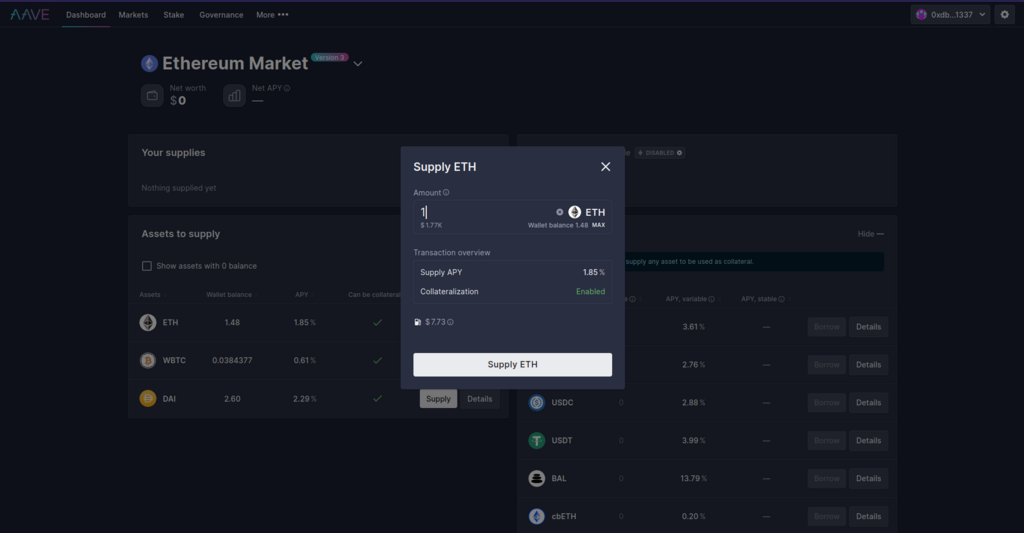
Some common activities in DeFi include:
- Lending and Borrowing: You can lend your crypto assets to others and earn interest, or you can use your crypto as collateral to borrow other assets. It's a peer-to-peer system, automated and available 24/7.
- Trading: You can swap one digital asset for another directly from your wallet, without needing to deposit your funds on a centralized exchange.
- Earning Yield: Similar to a high-yield savings account, you can deposit your assets into DeFi applications to earn rewards. This is often called "yield farming" or "liquidity mining."
These are just the basics. Because DeFi is built on programmable technology, developers are constantly creating new and innovative financial products that were never before possible.
What is the primary role of intermediaries like banks in traditional finance that DeFi aims to replace with technology?
Which principle of DeFi allows anyone to view transactions and audit the underlying code on a public blockchain?
This new financial landscape is built on transparency and user control, offering a powerful alternative to the systems we've known for centuries.